Categories
animal welfare cruelty Food and Drink News/Blog Promoted

Tell A&W to go cage-free!

enrichedcageiStock_000033264914_Medium
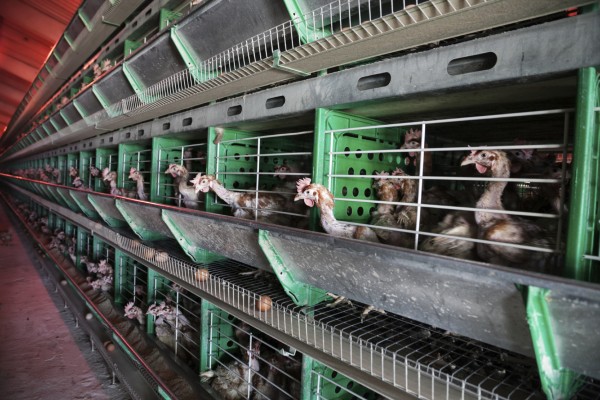
Hens in “enriched” cages.


Sign our petition asking A&W Restaurants to stop using eggs from caged hens


Update: More actions you can take 


Canadians are familiar with A&W Restaurants’ TV commercials boasting about the company’s vegetarian feed for chickens, but does the company actually care about chickens?  When you realize that A&W uses eggs from hens kept in battery cages and in so-called “enriched cages”, it appears the answer is clearly not very much.

What’s worse, the company appears to have no intention of moving to cage-free eggs, as many food companies are now doing.  We’re calling on A&W to follow the lead of companies like McDonald’s, Burger King, Starbucks, Nestle, General Mills and others, who have announced they are switching to cage-free eggs.

On its website, A&W says that “all of our hens will live in enriched housing by the end of 2016.” However, scientific evidence shows that, in welfare terms, a cage is still a cage, enriched or not, and that the birds will continue to suffer. The space and facilities provided in enriched cages are so inadequate that they deprive the birds of the ability to engage in natural behaviours, leading to frustration, suffering and body degeneration.

VHS’s ChickenOUT! campaign has helped educate consumers about the animal welfare problems created by keeping hens in cages – B.C. has the highest cage-free egg production of any province (17% compared to a national average of 3%).  (Our message has always been:  If you eat eggs please buy certified organic eggs, as they are guaranteed cage-free and have the highest welfare standards. Going egg free is the best option – it’s cruelty-free and alternatives to eggs in baking are widely available.)

Consumers need to let A&W know that enriched cages are still cages.

Sign our petition calling on A&W to do the right thing and switch to cage-free egg suppliers.

Latest: See our article in the Huffington Post!

Categories
animal welfare News/Blog Promoted zoo

The truth behind animal businesses

tiger iStock_000003062690Medium (2)

In recent weeks, two news stories have emerged that illustrate how businesses that exploit animals cultivate images of legitimacy while hiding a dark reality.

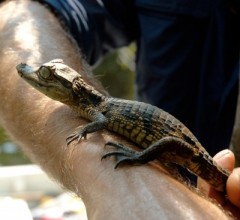
In B.C., the case of Mike Hopcraft, who has promoted himself as the “Reptile Guy”, made headlines when his facility in Mission was raided by the BC SPCA and a number of animals were seized.  Hopcraft claims to rescue and rehabilitate animals and is often featured on morning news shows as a reptile rescue expert.  Yet court documents obtained by Animal Justice tell a different story.
Caiman iStock_000000587920Large

In a blog post, Animal Justice says the documents describe what was found in the BC SPCA raid:  “Investigators repeatedly found dead animals, animals in such severe distress that they needed to be euthanized, infected and injured animals, emaciated and underweight animals, unsanitary tanks, overcrowding, cramped conditions, mouldy feces in tanks with live animals, animals with no water or undrinkable water, exposed wires, and broken lights.”   The post says the court documents also stated: “When Hopcraft was informed [two emaciated animals, one with four broken legs] were going to be seized he kicked a chair across the office and was escorted outside by the RCMP.”


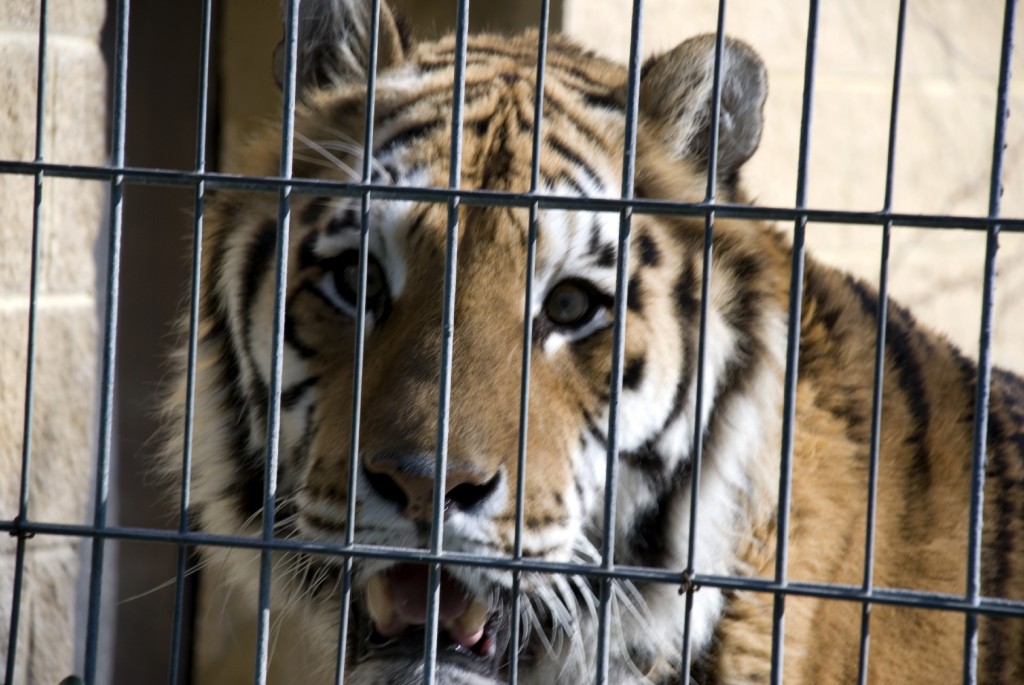
In another revealing case, Michael Hackenberger, owner of Ontario’s Bowmanville Zoo was exposed allegedly abusing a tiger.  In an undercover video taken by PETA, Hackenberger uses a whip to motivate a male Siberian tiger called Uno.  In a so-called rebuttal to the video, Hackenberger admits to striking him twice, as quoted in the Toronto Star: “Maybe I viciously whipped the ground. Maybe I viciously whipped the air, but I did not viciously whip that tiger,” he said. “I didn’t strike the tiger except twice to get him turned around.”  In another undercover video, Hackenberger talks about training wolves, stating: “You smack ’em and they generally fold like a house of cards.”

Yet the Bowmanville Zoo, which is accredited by CAZA (Canada’s Accredited Zoos & Aquariums), attracts thousands of visitors and even praise in the media.  Positive PR and marketing by the zoo has convinced many people that it really cares about animals.  But when the veil slips, a disturbing reality is revealed.

iStock_000000747069LargeOver the years, VHS has seen a number of animal businesses exposed for what they really are.  In 2010, Cinemazoo, an animal rental agency based in Surrey, was investigated for animal cruelty by the BC SPCA.  The agency was forced to transfer a number of animals to more appropriate facilities.  It is still in operation, renting out animals for advertising, birthday parties and corporate events.

In 2009, VHS was instrumental in exposing animal abuse at the Mountain View Conservation and Breeding Centre in Langley, leading to cruelty charges being recommended by the BC SPCA.  Crown Counsel declined to proceed with charges but the centre divested itself of most of its exotic species. Prior to the revelations, the centre was said to have a “superb” record and was also CAZA accredited.

And who can forget the 2010 massacre of 56 sled dogs in Whistler, B.C.? Robert Fawcett, an employee of Howling Dog Tours Whistler Inc. was sentenced to three years’ probation in 2012 for causing unnecessary pain and suffering to nine of the dogs. Fawcett claimed he had been ordered to cull the company’s herd of dogs when tourist demand dropped off after the 2010 Winter Olympics.  Until the incident, the sled dog tour industry retained a rosy image of dogs pulling sleds of happy tourists through a winter wonderland.  But the attention brought by the case revealed the industry practice of culling unwanted sled dogs and the outdoor tethering of dogs for long periods.

sled dog iStock_000015556155Medium


While Mr. Fawcett was portrayed as a “bad apple” by the industry, in fact he served as vice-president on the board of Mush with Pride, a leading international sled dog industry group (until he was voted off when the Whistler massacre became public knowledge).  He was a well-known and leading figure in the sled dog world.

These revealing incidents should serve as a reminder to the public that businesses that use animals for profit need to be constantly scrutinized and their claims should be treated with extreme scepticism.  Anyone who patronizes zoos, aquariums, circuses, rodeos, sled dog tours or races, horse races and other animal entertainment businesses should realize that the positive images they are sold are unlikely to match the harsh reality the animals experience.

When animals are treated as commodities their welfare will always be compromised.


Categories
animal welfare cruelty News/Blog Promoted

Please support the bill to end cetacean captivity


belugaiStock_000012952067Smallsmall

Senator Wilfred Moore is urging Canadians to sign a petition supporting a bill he introduced in the Senate to end the captivity of whales and dolphins in Canada.

The Senator will present all the petitions together with his Bill to “End The Captivity Of Whales And Dolphins In Canada” to the Senate on January 25th. The bill would end the live capture, breeding, and acquisition of cetaceans in Canada.

Unfortunately, the Senate does not accept any reproductions, so the
petition has to be hand-signed and mailed. No internet petitions accepted.

Please download the petition here.  It can be printed off and circulated to friends, family and colleagues for signatures.  It must then be mailed to the address at the bottom of the petition form by January 14, 2016.

Thank you.

More information on the bill.

Categories
animal welfare News/Blog Promoted rodeo

Poll: Most Canadians oppose rodeo

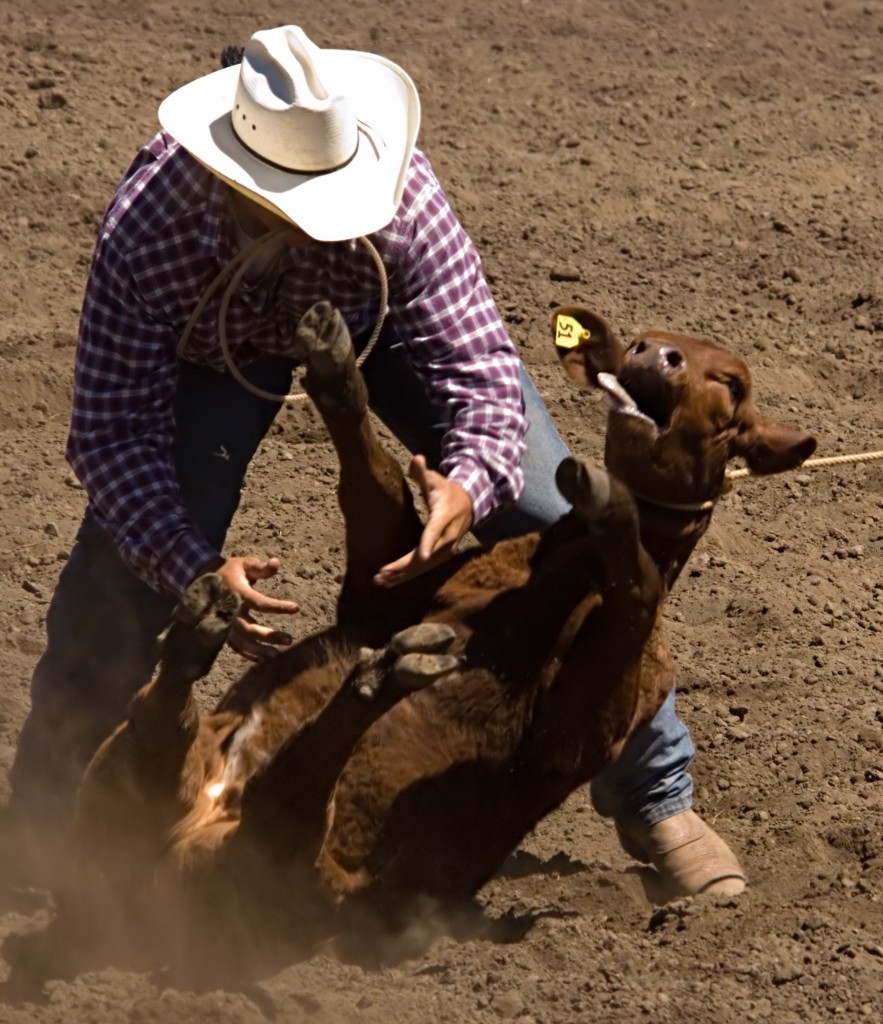
Calf roper at 2006 Russian River Rodeo, Duncans Mills, California

So why does CBC keep broadcasting it?

VHS has long criticized CBC Sports for broadcasting the Calgary Stampede rodeo.  The CBC has refused to end its coverage despite the clear evidence that animals suffer in rodeos.  They’ve told us that the Stampede is “a longstanding Canadian tradition and is popular with millions of Canadians across this country.”

Really? The facts show that when you ask Canadians across this country how they feel about rodeo, most of them are opposed to it.

A new national public opinion survey on animal welfare issues shows only three in ten (31%) Canadians are in favour of using animals in rodeos.  The survey, by polling company Insights West, found that a solid majority of Canadians (63%) are opposed to rodeos and that Alberta is the only province with a majority (57%) in favour of rodeo.

calf ropingcropVHS has relayed the results of the poll to management at CBC Sports and is awaiting a response. During the 2015 Calgary Stampede, VHS launched a petition calling on CBC to end its broadcast of the Stampede rodeo.  If you haven’t signed the petition, please do. More than 11,000 people already have.

Let CBC Sports know that you are among millions of Canadians opposed to rodeo – and you are in the majority. Remind them that this is the 21st century and animal abuse has no place in modern Canada. Tell them that causing animals to suffer for the sake of entertainment is immoral.  Tell them to stop putting cruelty on our television screens and calling it a sport.

Please support our continuing campaign against rodeo cruelty. We convinced the City of Vancouver to ban rodeo and we’ve won victories against the Cloverdale Rodeo in Surrey and the Luxton Rodeo on Vancouver Island. Your donation will help us win more!

More information:

Rodeo cruelty
The Calgary Stampede

Categories
animal welfare compassion News/Blog Promoted Uncategorized

Help animals in need, like Rosie, this holiday season

rosie6When Rosie’s guardian was given Rosie as a puppy, the two had an instant connection. Not only was Rosie an adorable and sweet puppy, but her gentle nature was especially helpful for her caregiver, who suffers from Post-Traumatic Stress Disorder.


Soon after though, Rosie began to experience difficulty walking and a vet determined she had been born with a congenital defect in both hind legs that would only worsen as she aged. If the condition was not surgically corrected, she’d never walk normally again.

Her guardian, who is on disability for PTSD and whose roommate abruptly moved out leaving her to cover rent alone, desperately needed help. She was able to cover the cost of surgery for one of Rosie’s legs, but needed help finding the funds for her other leg. Rosie’s caregiver was worried that she wouldn’t get her companion the surgery she needed so she could walk, run and just be a dog!

Below is a video of Rosie before surgery.

Rosie needs leg surgery

No Description

rosie button

It was heartbreaking to see her best friend struggle to move around and enjoy life as she should. Still, despite Rosie’s own limitations, she was her caregiver’s constant companion. The pair that took such good care of each other now needed a helping hand.

Rosie’s guardian reached out to VHS and, thanks to a very special anonymous donor, we were able to help Rosie with the surgery she needed and get her back on ALL fours! Her caregiver updated us that after her recovery period, Rosie is now enjoying life to the fullest – walking, running and playing! She tells us that seeing Rosie enjoy her new-found independence brings her such happiness and that she couldn’t be more grateful for the help from complete strangers in giving a little dog her freedom back.

Below is a video of Rosie post-surgery!

medium

Rosie Post surgery

Rosie is like many other animals in need who VHS helps through our McVitie fund. Only through donations from supporters like you are we able to help low-income pet guardians with an emergency bill or in having their pet spayed/neutered.

This holiday season, please consider giving back to those in need by making a donation to the McVitie Fund. Your gift will be doubled thanks to a generous anonymous donor and all gifts are eligible for a tax receipt!

rosie3

Categories
compassion Cruelty-free News/Blog Promoted

Cruelty-free and smells heavenly!

Kama soap 1 15_16Last night when I arrived home after a long day at the VHS office, I was met with the most delectable aroma! A parcel from my favourite soap company, Kama Natural Soap, had arrived.


This company, based on Salt Spring Island, has been in business for over 17 years, and once you experience the products, you’ll understand why. My sense of smell is acute and some odours can trigger my migraine headaches. However, I find the natural ingredients used to scent these products to be soothing and never overpowering.

.


In addition, all products (except the lip balm, which has beeswax) are completely vegan and ingredients are sourced ethically. Plant oils like exotic ylang ylang from Madagascar, eucalyptus and tea tree oils from Australia, lavender oil from France and bergamot from Italy are combined in imaginative ways, creating the most interesting and delicious fragrances. Shea butter is ethically sourced from the Takpo widows group of Northern Ghana. And palm oil is no longer used (although it might be listed on the old labels that need to be used up!) as it was just too difficult to determine how it was produced.


My favorite soaps: Lavender/comfrey, Licorice bar, Orange spice and Flowers and spice with shea nut butter and hemp seed oil (organic and Canadian). Other bath products include comforting mineral baths to die for (Lavender, Restorative and Flowers ‘n spice) and bath oils.


Kama soap 3Unique products include hand and foot balms, Belly/baby balm, body powder, lovely scented soy candles, soap-on-a-rope and baby soap.


What more could you ask for at Christmas when you’re looking for the perfect gift? My biggest problem is that I want to keep everything for myself! Products are available at select retail locations or you can order online. Check out Kama’s website or email for more information.


Categories
Cruelty-free Food and Drink News/Blog plant-based diet Promoted vegan vegetarianism

BC’s plant-protein industry takes off

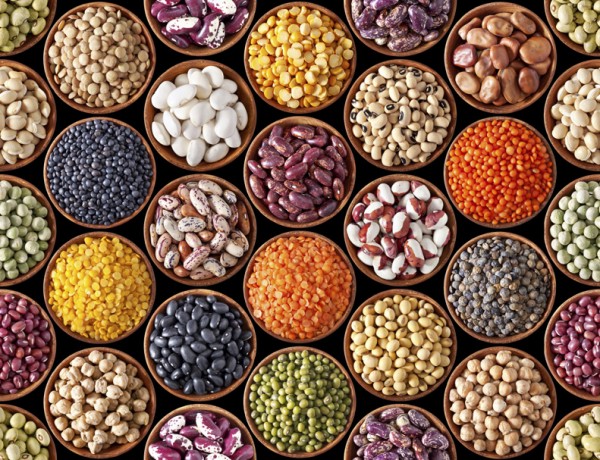
Seamless texture with legumes on black background

It was great to see the Vancouver Sun’s recent feature on local plant-based food companies Gardein and Daiya Foods, but they’re not alone in pioneering alternatives to animal-based products.  Here are some of the other Lower Mainland businesses leading the way:

The Global Gardens Group, based in Richmond, has just launched a dairy milk alternative called Veggemo, which the company says is “the first non-dairy beverage to originate from veggies.”

Vega, a fast-growing producer of plant-based nutrition products, was recently acquired by a U.S. food company but will remain Burnaby-based.  Vega says its goal is “to provide convenient plant-based products, made from real, whole food ingredients to support your health—without having a negative impact on the planet’s health.”

Left Coast Naturals, which includes the Hippie Foods brand, is also based in Burnaby.  Hippie Foods produces a range of plant-based snacks using whole food ingredients. On its blog, the company has stated that “Plant-based diets are no longer just for PETA protesters, hardcore tree huggers or Beyonce. The reality of becoming less reliant on meat and animal-based products is something we’ll all have to face.”

Another Burnaby company, Natera, specializes in hemp protein products (seeds and protein powders). On its website Natera says its products are “Perfect for vegan, paleo or gluten-free diets, hemp contains 35% protein and 45% oil in its dehulled state. That makes it earth’s number-one most digestible plant protein.”

Burcon Nutrascience, headquartered in Vancouver, is developing plant proteins as ingredients for the global food and beverage industry. The company says: “Both animal and plant protein production exert significant pressures on the environment.  However, the environmental pressures exerted by meat and animal protein production exceed those of plant and plant protein production many times, in both magnitude and extent of area affected.”

Ergogenics is a Vancouver-based company specializing in whole, plant-based nutrition products. The company says its mission is “to advocate a move towards plant-based nutrition for better health, Environmental Sustainability, and Compassion for Animals.”

The plant-protein industry is growing around the world but it looks like the Lower Mainland is becoming one of its hubs. While some vegetarians and vegans prefer not to rely on processed or convenience foods, these new products may help supplant animal proteins and reduce the need for industrialized animal agriculture – and that’s got to be good news for farm animals.

Categories
animal welfare fundraising News/Blog Promoted

VHS marks 30 years of helping animals

VHS reception Rebecca Ledger
Keynote speaker Dr. Rebecca Ledger gave a presentation on science and animal emotions and sentience.

Close to a hundred supporters and animal lovers turned out to celebrate VHS’s 30th anniversary at a reception in Allard Hall at UBC on November 21st.

The event highlighted many of VHS’s achievements over the last 30 years and drew attention to the animal welfare issues we continue to address.


_DSC2280-48
VHS executive director Debra Probert

VHS executive director Debra Probert spoke to the assembled guests about VHS’s history, thanking the many people who contributed to our success, including founder Ingrid Pollak. She also described the need for organizations like VHS:  “I‘d just like to remind you why we’re here. We’re here because we all know and care that every day animals are suffering because of human carelessness, thoughtlessness and greed. It’s up to us to speak for them. Tonight we’re taking a few hours to celebrate what VHS has accomplished. But tomorrow, we have to resume our battle to fight for their basic rights to live the lives they were meant to live, with minimal interference from us.”

VHS staffers Emily Pickett (who organized the event) and Peter Fricker also spoke, giving details on our program work.

The evening ended with a compelling presentation by keynote speaker Dr. Rebecca Ledger, a clinical animal behaviourist and animal welfare scientist. Dr. Ledger spoke about changing scientific attitudes toward animal sentience and emotions.

A silent auction and donations at the reception raised $3443 for VHS’s work.

We would like to thank all the supporters, sponsors and volunteers who helped make this event a great success and a memorable evening.

Photos by Sam Steele of Willow Tree PhotographyTo see a photo album of the reception click here.

_DSC2388-1
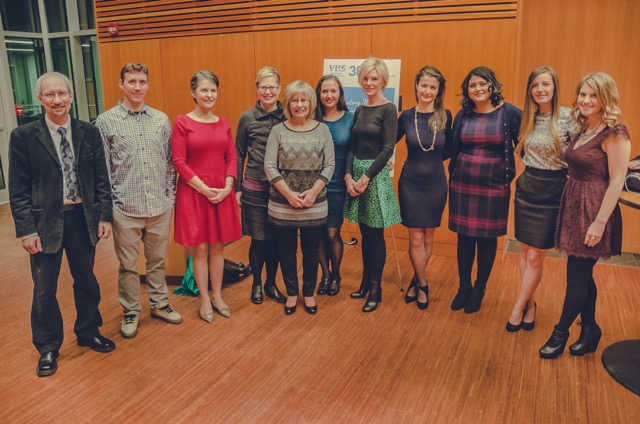
VHS board and staff, L to R: Peter Fricker, Chris Hajek, Frances Kelly, Marjorie Brown, Debra Probert, Liberty Mulkani, Marylee Davies, Rebeka Breder, Aarti Gupta, Emily Pickett, Amy Balcome.
Categories
animal welfare News/Blog Promoted

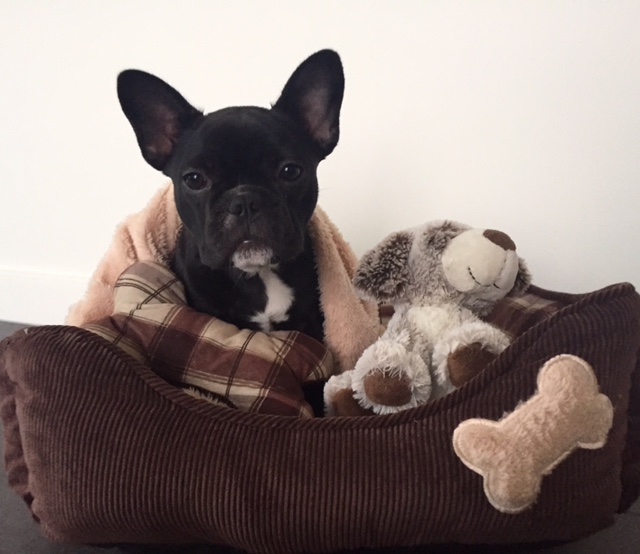
Sadie needed help after hit and run

Sadie IMG_5352

VHS’s McVitie Fund is there for animals needing emergency medical care

.


Sadie is lucky to be alive. She was out for an evening walk with her dad on a
Vancouver street early in November and when the two didn’t return home for several hours.

Sadie’s mom frantically reported them missing to police. When they were found
several hours later at a nearby hospital, her dad was unconscious and little Sadie, a five-month-old French Bulldog, was badly injured. They had been struck by a hit-and run driver.

Sadie’s mom was devastated when she found her in the ER, “I was heartbroken when I saw Sadie’s face, swollen and bloody, as a police officer handed her to me wrapped up in a blanket – I could feel her leg was limp so I rushed her to the nearest animal ER in the middle of the night” “I wasn’t sure at that point if she would live”.

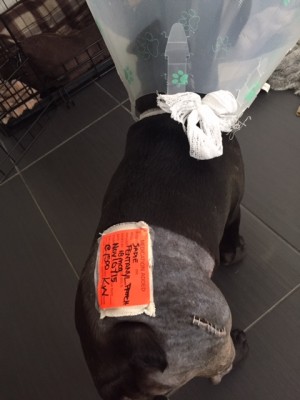
Sadi post opSadie was diagnosed with a fractured femoral bone in her back leg and a severe bruising around her mouth and eyes. She needed expensive medication and her surgery needed to be scheduled within the following few days to ensure proper recovery.

Sadie’s family had just moved to Vancouver for work and needed help with the
unexpected cost of Sadie’s treatment. VHS contributed $500 and Sadie got the surgery she needed.

Her operation was a success and she is back at home with her mom and dad, recovering well. She’ll soon be back to being the “energetic and affectionate” puppy that her family loves so much. “Sadie is like our child, we never expected something like this to ever happen, she’s so young, and we had to do the surgery in such a short amount of time. We’re so grateful for VHS’s support.”

Sadie is like many animals that VHS helps thanks to the generous donors who support our McVitie Fund for sick and injured animals. When animals need emergency medical care, VHS does its best to make sure they get the help they need.

Your donation will help us cover the cost of Sadie’s surgery and ensure other animals get the chance at life that she did.  Your donation will be doubled thanks to a generous anonymous donor.

Categories
animal welfare Food and Drink News/Blog plant-based diet Promoted vegan vegetarianism

Is fake meat the key to stopping the growth of factory farming?

Feedlot istock

Will food science provide an escape from our unsustainable and inhumane dependency on meat consumption and animal agriculture?

Trying to stay positive about the future of farmed animals is not easy for the animal activists, ethical vegetarians and environmentalists who care about the animal cruelty and ecological damage caused by factory farms.

While some might be cheered by the decline in meat consumption in North America and Europe (which only applies to red meat, not poultry), the projections for consumption elsewhere, especially in China, are dispiriting.

One recent study found that per capita meat consumption in China has increased by 400 per cent since 1971 and is still growing. (But the Chinese still only eat 55 kg of meat per person each year, compared to 107 kg for Americans.)  According to the United Nations, total demand for animal products in developing countries is expected to more than double by 2030. This demand will almost inevitably be met by increasing numbers of large factory farms, with all their inherent cruelty and damage to the environment.


One proposed way of avoiding this dark future is to replace meat with sustainable plant-based products.   New processes, market trends and technical innovations in some developed countries suggest we might yet escape a massive increase in animal suffering and environmental degradation caused by the growth in intensive animal agriculture.   The “fake meat” industry is not without its critics and some vegetarians and vegans warn against heavily processed food, arguing that traditional, natural sources of protein (e.g. beans, lentils,) are the best alternatives to meat.  Others contend that creating highly palatable, convenient meat substitutes is the only way to draw modern meat eaters away from their ingrained attraction to sausages, bacon, burgers, hot dogs, chicken wings and steaks.

Europe appears to be leading the way in the development of meat alternatives, with the Netherlands most recently announcing the creation of a “steak” made from vegetable protein.  Scientists at Wageningen University produced the steak using Shear cell technology, an energy-efficient process that researchers claim reproduces the fibrous texture of steak. A Dutch firm, The Vegetarian Butcher (which helped fund the research) is already a highly successful purveyor of meat substitutes, with more than 1000 dealers and distributors across the Netherlands.

In famously meat-loving Germany, sales of new meat substitutes are increasingly popular, showing double-digit growth.   Even meat companies see the potential.  “Surprisingly, German companies that are traditionally associated with manufacturing meat products are now entering this market for meat substitutes, going so far as to launch meat imitations using the same brands as their meat-filled counterparts,” says one recent report.  The director of a German meat company recently referred to sausages as “the cigarette of the future” and said that he wanted at least 30 per cent of the company’s sales to come from its vegetarian range by 2019.

In North America, companies like Beyond Meat, Hampton Creek and Gardein have already tapped into the growing consumer interest in alternatives to animal-based products. Market analysts predict that alternative protein sources could claim up to a third of the protein market by 2054.

All these companies have had to overcome technical hurdles as well as consumer and media scepticism. Yet, science appears to be succeeding when product development hits a wall.  For example, pea protein has presented a problem to companies seeking to use it in plant-based products because of its bitter taste.  But recently, food researchers found a way to reduce the bitterness, making the taste neutral – a small development but one that opens the door to using this non-animal protein in a range of new food products.  If the meat alternative industry continues to resolve such issues, they could yet end up with products that will appeal to the most diehard carnivores.

It is difficult to know whether the new plant-based food industry is the answer to curtailing the horrors of factory farming, but with global meat consumption and production still rampant, it may be the best chance we have.