Categories
Media Release

Vancouver Humane Society calls for end to cruel rodeo events at Chilliwack Fair

Media release

July 26, 2017

Vancouver Humane Society calls for end to cruel rodeo events at Chilliwack Fair

Society says photos from 2016 fair show rodeo animals suffering

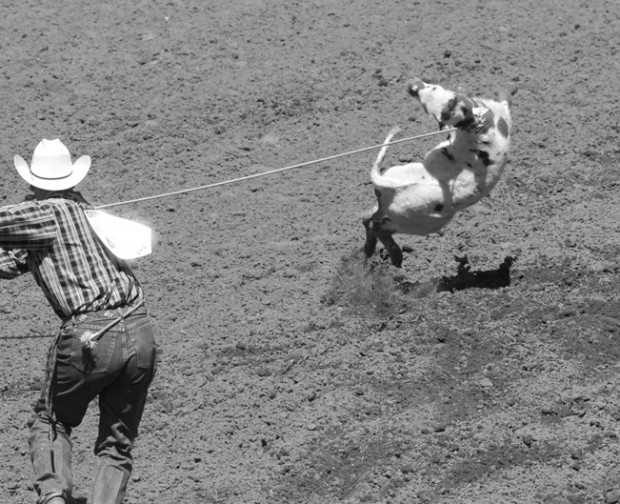
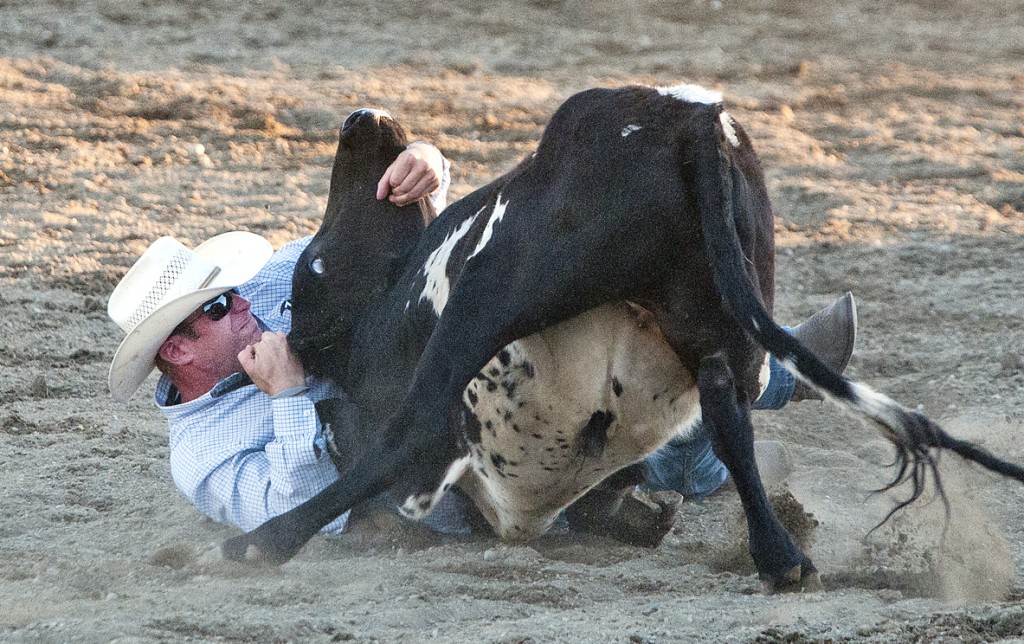
Vancouver – The Vancouver Humane Society (VHS) is calling for an end to calf-roping and steer-wrestling at the upcoming Chilliwack Fair rodeo (August 11-13).

VHS has written to Chilliwack City Council asking for a ban on the two events and has also called on the Chilliwack Agricultural Society, which runs the fair, to voluntarily drop them from the rodeo program. VHS has launched an online campaign to urge the public to contact the council, the fair and its sponsors to ask for an end to the events.

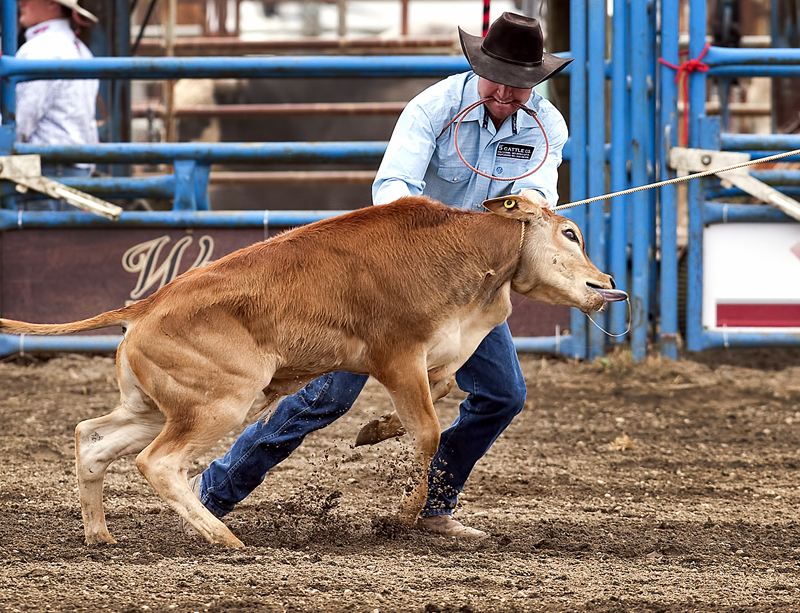
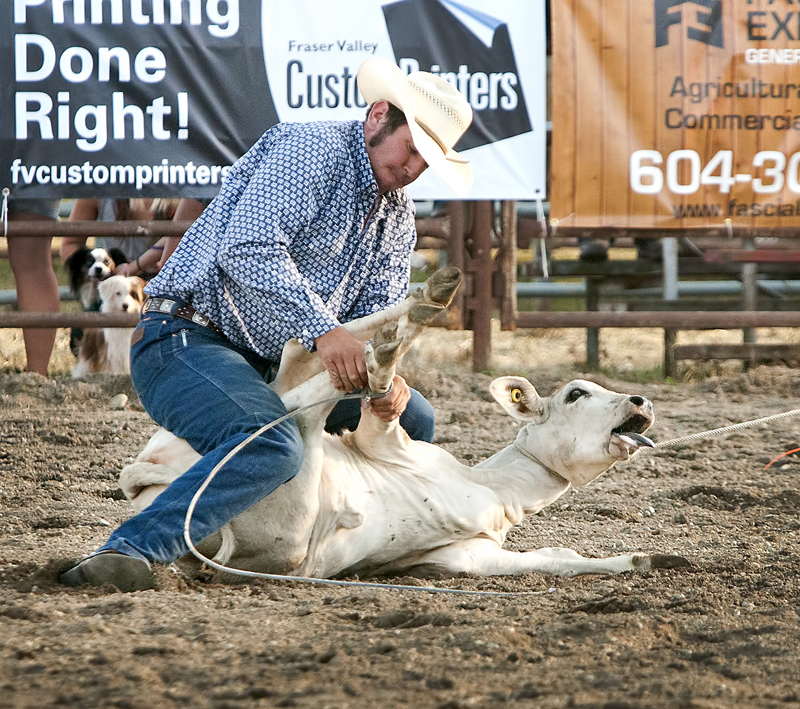
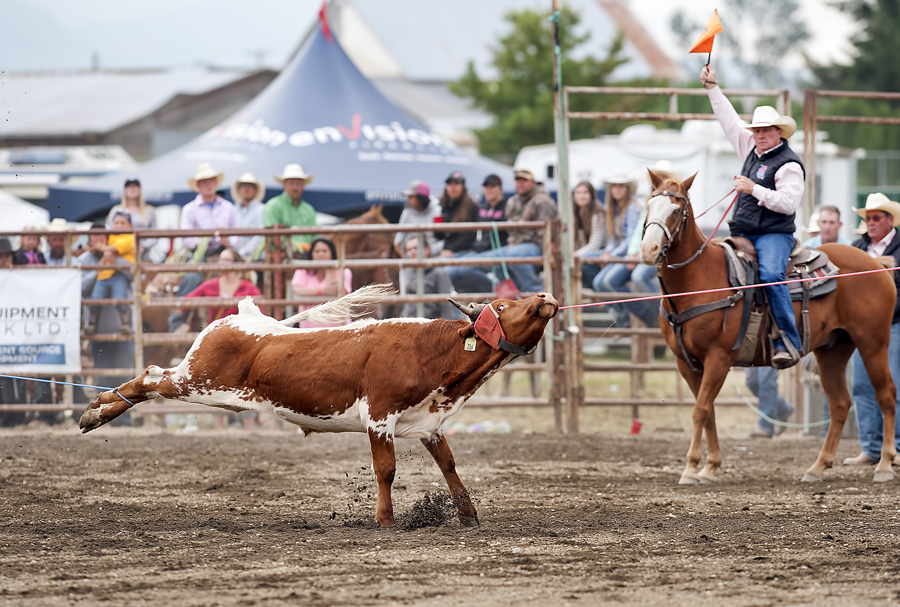
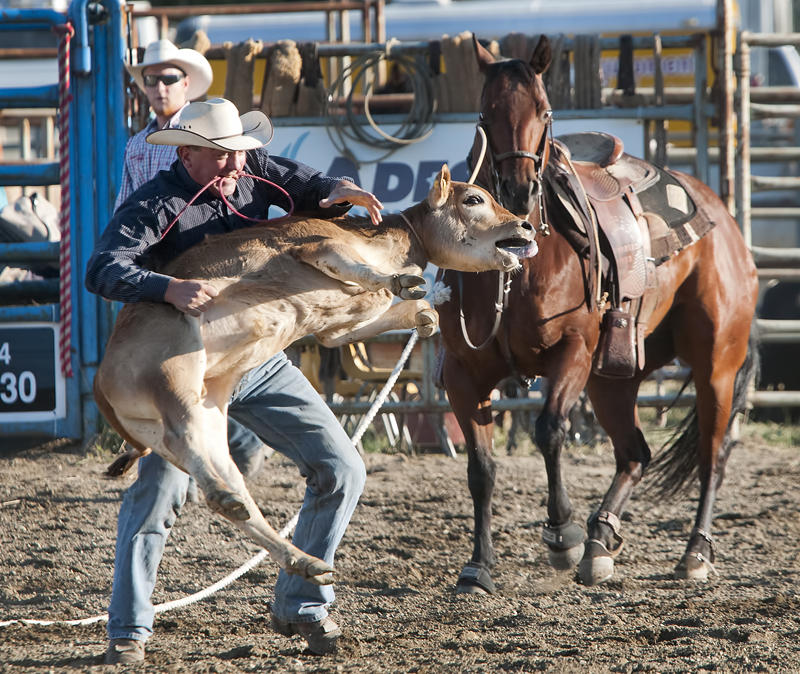
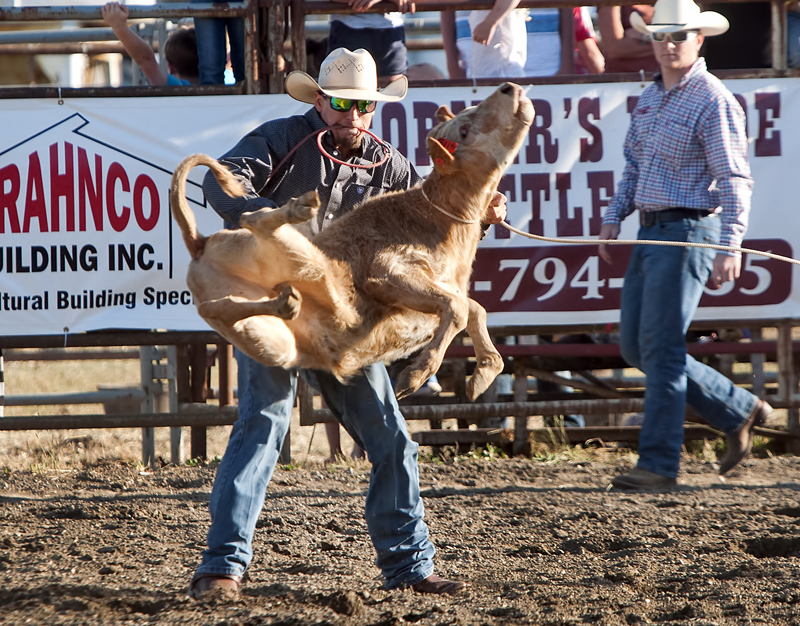
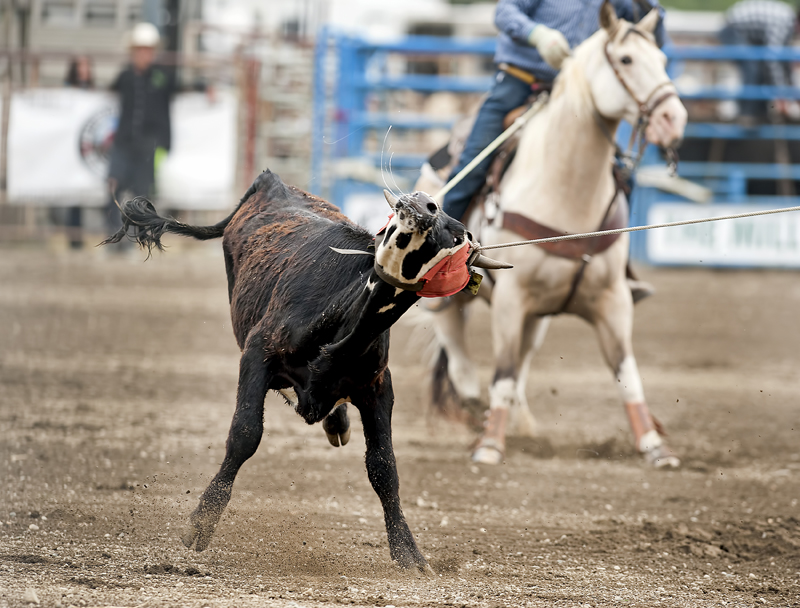
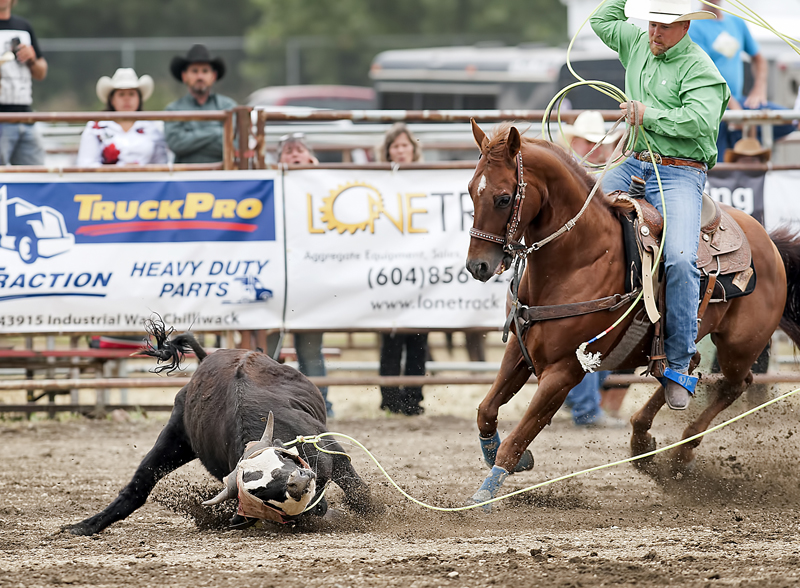
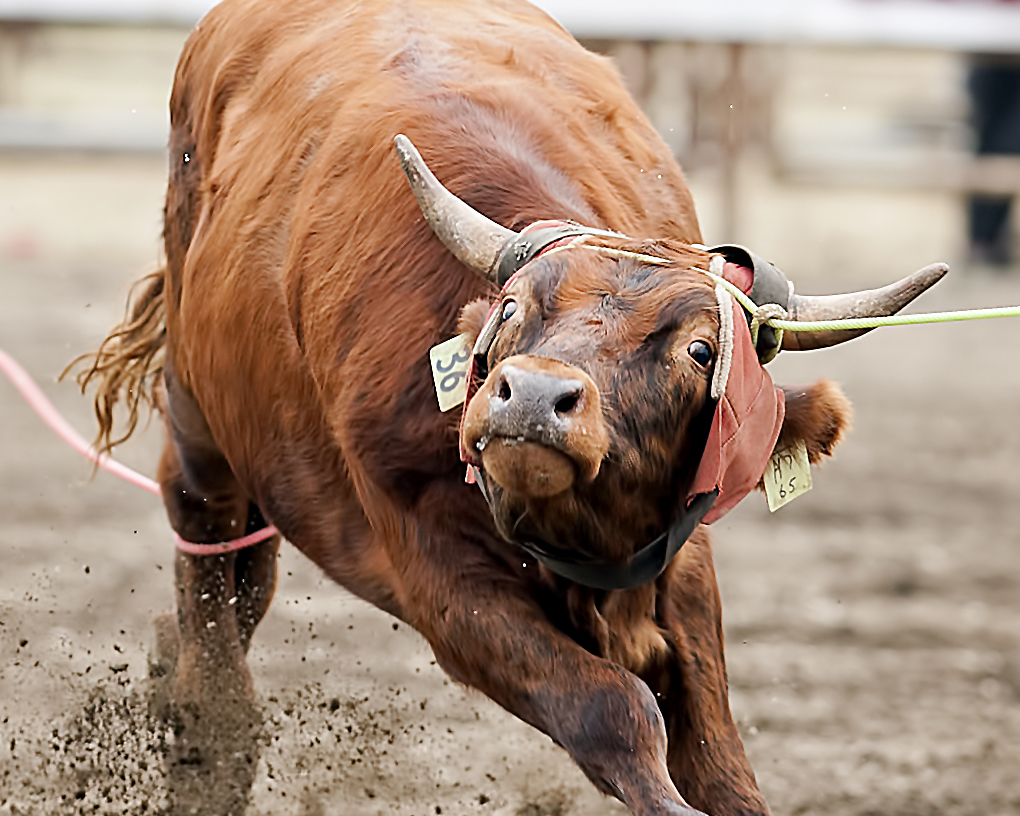
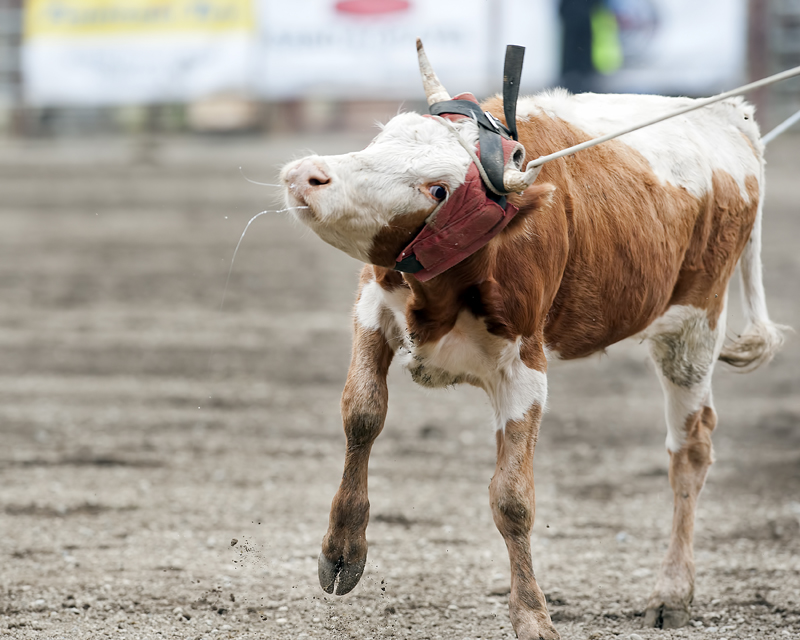
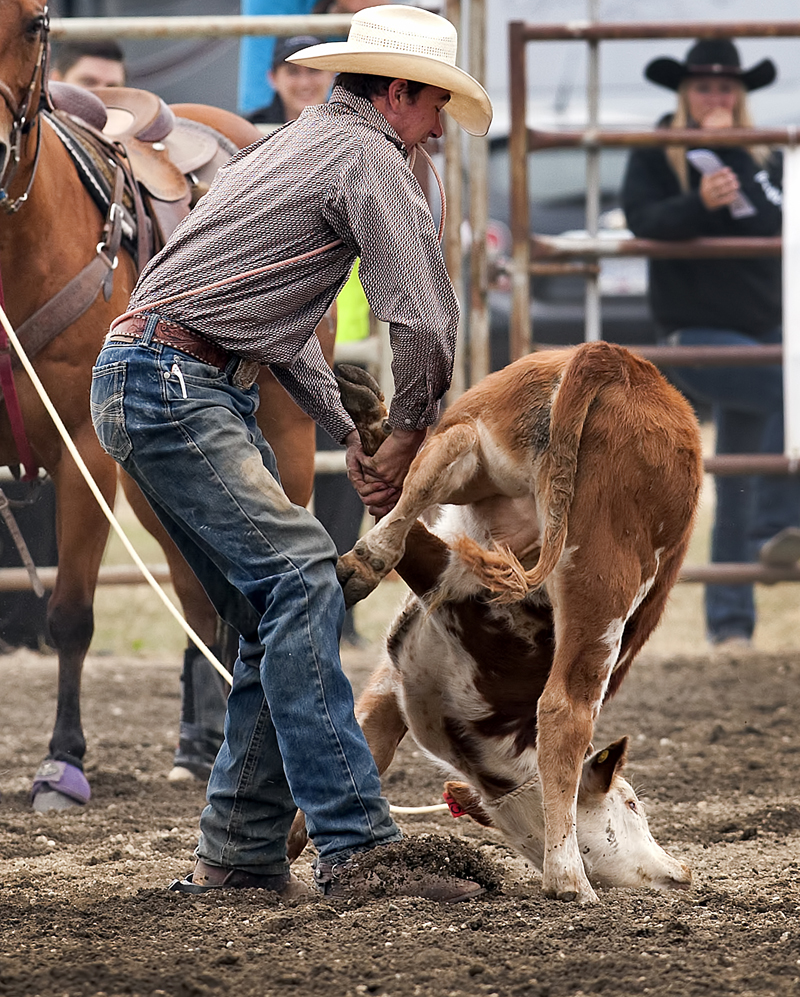
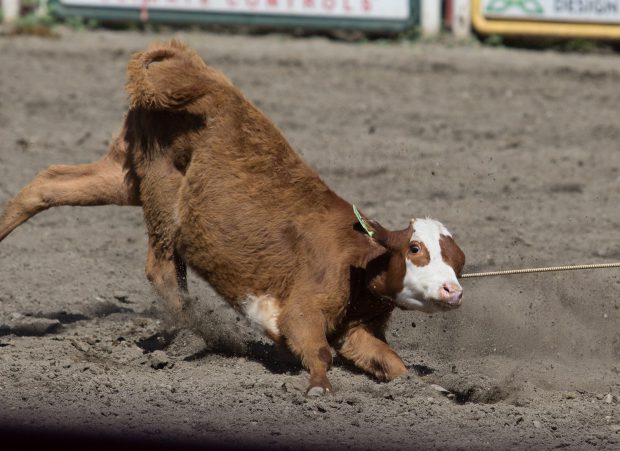
VHS says calf-roping and steer-wrestling subject animals to fear, pain and stress for the sake of mere entertainment. “Terrified calves, only three months old, are chased, roped to a sudden halt, picked up and thrown to the ground before being tied up and steers have their necks twisted until the are literally bent to the ground,” said VHS spokesperson Peter Fricker.  “Tormenting animals to amuse a crowd should be unacceptable in the 21st century.”

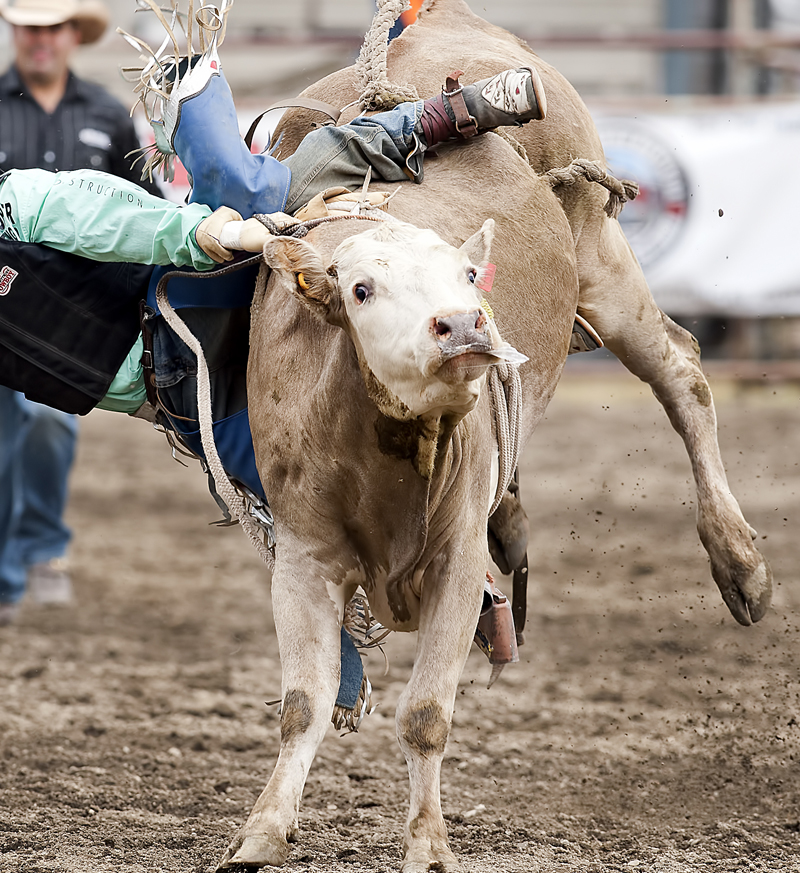
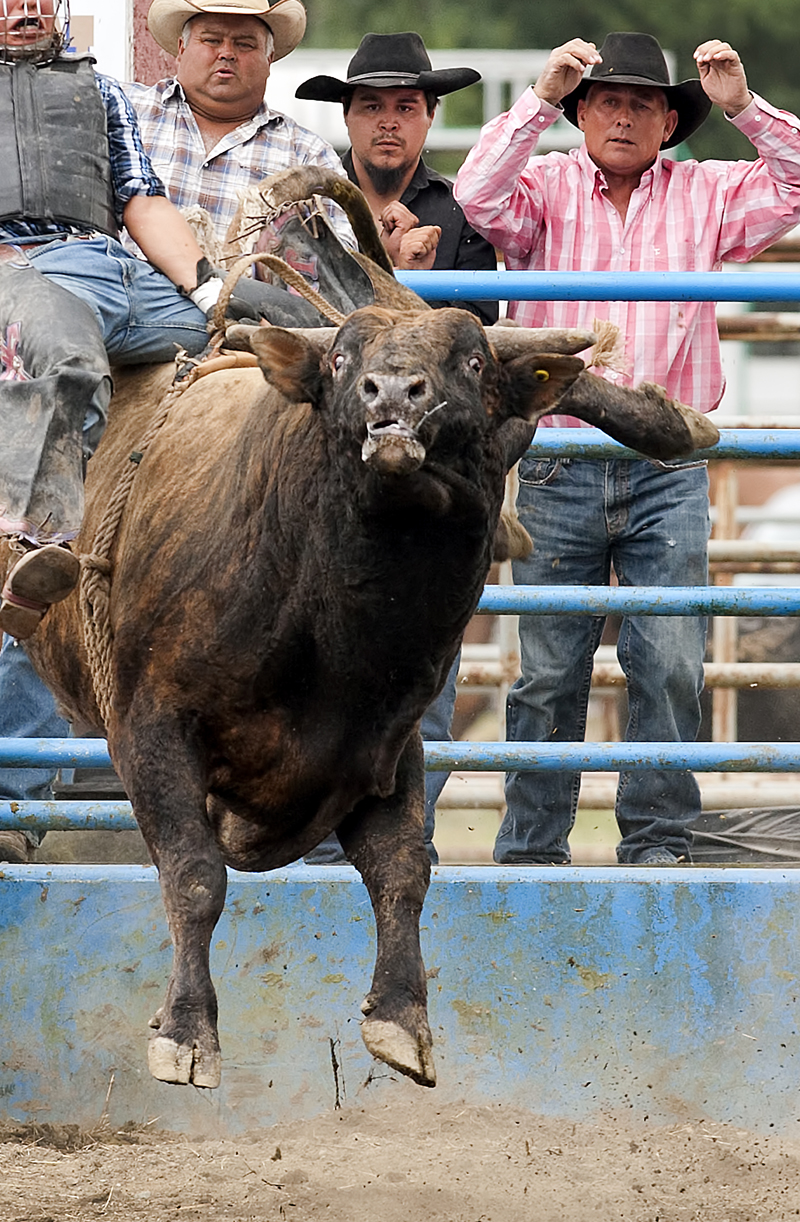
VHS obtained photographs taken at the 2016 Chilliwack Fair, which it says show rodeo animals in distress.

A 2015 survey by polling company Insights West found that 66 per cent of B.C. residents are opposed to rodeos.

-ends-

Categories
animal welfare compassion cruelty News/Blog Promoted

Help stop this circus from appearing in Vancouver

VHS is concerned about the welfare of ALL circus animals

.

The circus is coming to town.  And we need to stop it.

The Royal Canadian Circus is scheduled to appear at Concord Pacific Place in Vancouver from May 12th to 14th.

This circus is put on by the U.S.-based Tarzan Zerbini Circus, which has a reportedly poor animal welfare record with regard to its treatment of elephants, as detailed in this 2016 article in the Ottawa Citizen and in this report by People for the Ethical Treatment of Animals (PETA). This gives us concerns about the welfare of other animals in its care. 

The article in the Citizen, by the Harvard Law School’s Animal Law & Policy Fellow, reveals that the Zerbini Circus has been cited for animal welfare violations in the U.S. and states that it “has featured elephants who are kept chained and forced to perform under threat of punishment.”

The PETA report says the circus failed to “meet minimum federal standards for the care of animals” used in exhibition, as established in the Animal Welfare Act in the U.S. It states that in 2011 the USDA “cited Tarzan Zerbini for failure to prevent elephants from being exposed to tuberculosis (TB).”

 
While it is VHS’s understanding that the Vancouver performance of the Royal Canadian Circus will feature only domestic animals and not exotic animals (which is prohibited by City of Vancouver bylaw), its parent company’s animal welfare record raises serious concerns.  Consequently, we are urging the public not to attend the Royal Canadian Circus’s performances.

We are also asking the public to complain to Concord Pacific, the company that owns Concord Pacific Place (the circus venue), and to the company that manages the venue, WestPark.

Please email these companies and politely ask them to cancel the performance of the Royal Canadian Circus:

Concord Pacific: marketing@concordpacific.com

WestPark: ritar@westpark.com

Thank you.

Categories
animal welfare compassion cruelty News/Blog Promoted

The long war against circus cruelty


.


VHS fought long and hard to keep animal circuses out of BC


By Debra Probert, VHS Executive Director

Nobody was happier than all of us at VHS to hear that the biggest, most famous circus in the world, Ringling Brothers/Barnum & Bailey, would be holding its last performance later this year.  Cruelty in circuses, at least in this large circus, is no longer profitable. Hooray!!

Fortunately, Ringling Brothers Circus never came to B.C. Activists in other provinces, like Zoocheck in Ontario and smaller, grass roots groups across the country, did everything in their power to stop the behemoth – along with PETA, HSUS and dozens of smaller, grass roots organizations and their supporters in the U.S.  Congratulations to all of you – your work has finally paid off!

Here in B.C., we saw the smaller circuses, under names like the Zerbini Family Circus, Garden Brothers and the Royal Canadian Circus.  Some of them continue to travel around the U.S. and in other provinces in Canada, but they’re attended by ever decreasing audiences.

Over the last two decades, VHS worked tirelessly to have exotic animal bylaws passed across Metro Vancouver to prevent circuses from bringing exotic animals like elephants, monkeys and bears into local arenas and parking lots.

The initial bylaws came into force on Vancouver Island – in Nanaimo, Victoria and Saanich after hard work from dedicated local activists and organizations. VHS took up the torch here on the mainland and after years of picketing, attending council meetings and monitoring circuses, we did what some called impossible – we made it uneconomical for circuses to bring their animals into the province. One by one, with the City of Vancouver in the lead, we worked along with local activists to enable legislation in Surrey, Delta, Coquitlam, Langley, and basically every other region of high density in British Columbia, to stop the cruelty in its tracks.

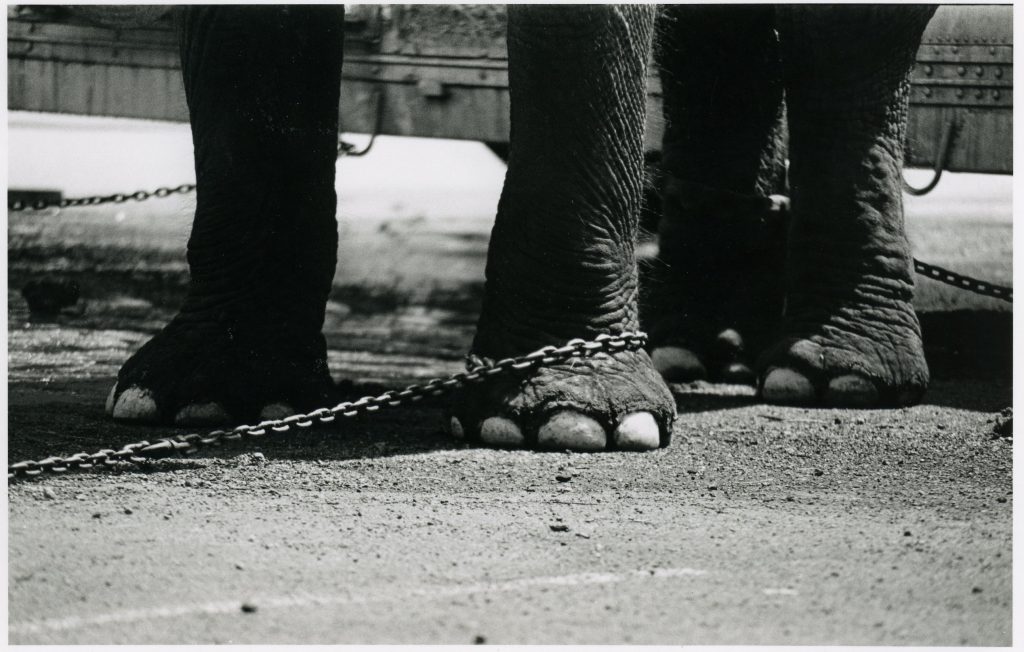
And cruelty it was. I personally spent hours watching elephants, with their legs chained the entire time they weren’t performing, swaying back and forth, occasionally stretching out their trunks for an unreachable bit of greenery. Their lives were sheer misery, often lived without others of their own kind, and never free to walk or run the miles they would in the wild. They were controlled with bull hooks jabbed into their sensitive skin. When they weren’t performing, they were travelling, often for endless hours in trucks with no ventilation.

The bears, monkeys and tigers fared no better. They were kept in cages so small, they could barely turn around. Again, apart from when they were performing and were under the strict control of their trainers, they spent all of their time eating, sleeping and defecating in the same small space.  Winter quarters were no different – the same small cages, the same chains. Exposés surfaced showing baby elephants, tigers, bears and monkeys being beaten into submission, all in the name of training and simply to entertain an audience. Well, it’s over for Ringling Brothers and the smaller circuses that haven’t already will soon follow suit.

We who care so deeply for animals seldom have something to celebrate. We should use this opportunity to contemplate that successes are possible, even if it seems to take forever.  We are on the side of truth; we know animals suffer; we know it’s not necessary and we know how to stop it.  And we won’t stop trying, however long it takes.


Categories
animal welfare compassion cruelty Food and Drink News/Blog plant-based diet Promoted vegan vegetarianism

Please tell this Vancouver restaurant to take baby seal meat off the menu


A Vancouver restaurant, Edible Canada on Granville Island, is featuring meat from the cruel Newfoundland seal hunt on its menu as part of the Dine Out Vancouver Festival. 

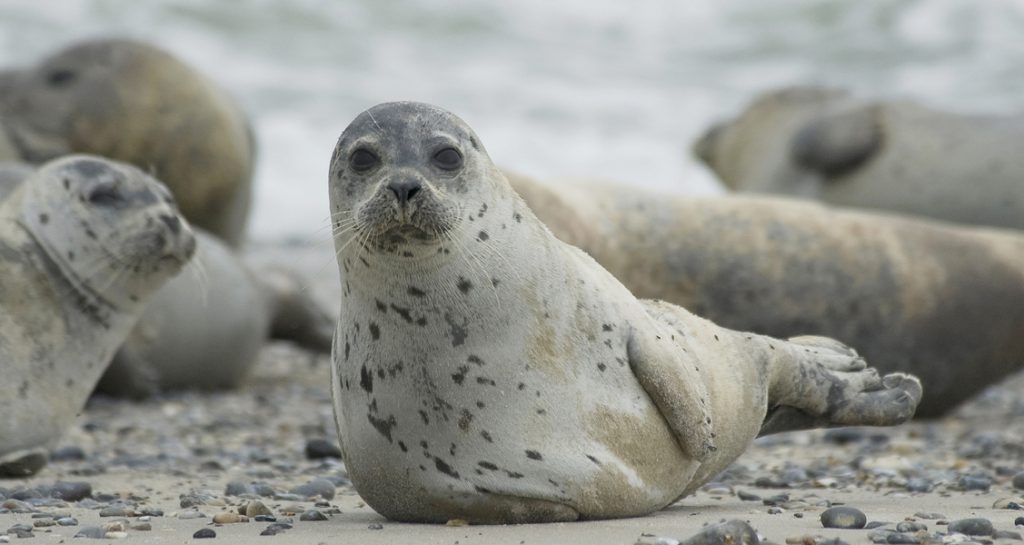
VHS is urging Vancouverites to ask Edible Canada to remove the meat from its menu, as the commercial seal hunt is recognized around the world as inhumane.  More than 95 per cent of the seals slaughtered in the hunt are less than three months old and many are less than a month old.  They are killed by clubbing, shooting or hacking with a hakapik.

With more than two million seals killed since 2002, the seal hunt is the largest marine mammal slaughter on earth.  The hunt has been condemned internationally, with 35 countries banning the trade in commercial seal products.  A 2012 study by veterinarians determined that the hunt was inhumane, stating: “There are unacceptable (and unlawful) things being done to animals for profit in this hunt.”

Please contact Edible Canada and politely ask the management to reconsider the decision to put seal meat on their menu:

Eric Pateman, President, Edible Canada
Tel: 604 558 0040
Email: info@ediblecanada.com

Also contact the Dine Out Vancouver Festival to express your concerns about Edible Canada’s decision:

Lucas Pavan, Festival Coordinator
Tel: 604 682 2222
Email: lpavan@tourismvancouver.com

Categories
animal welfare cruelty News/Blog Promoted rodeo

Another rodeo, another spectacle of cruelty

080716 - Chilliwack, BC Chung Chow photo Chilliwack Rodeo Calf roping

This is what happened to animals at the Chilliwack rodeo

The past weekend, the annual Chilliwack Fair’s rodeo once again saw animals tormented for the sake of entertainment – graphically illustrated in the photos below. It’s the last full rodeo left in the Lower Mainland and we’d like to see it end.  If you agree, please let the Chilliwack Fair know by sending them a polite email at info@chilliwackfair.com

VHS will be taking further actions in the coming weeks, including identifying sponsors.

Chilliwack Rodeo - Sunday


Chilliwack Rodeo


Chilliwack Rodeo


Chilliwack Rodeo - Sunday


Chilliwack Rodeo - Sunday


Chilliwack Rodeo - Sunday


Chilliwack Rodeo - Sunday


Chilliwack Rodeo - Sunday


Chilliwack Rodeo - Sunday


Chilliwack Rodeo - Sunday


Categories
animal welfare compassion cruelty News/Blog Promoted rodeo

Rodeo on the run?

_MG_4753
Thats entertainment?

According to media reports, the “dysfunctional” Canadian Professional Rodeo Association (CPRA) is in chaos, with its general manager being fired and several board directors resigning.

This follows the the CPRA’s failure to negotiate a deal to keep its championships, the Canadian Finals Rodeo, in Edmonton.  The CFR will now be held in Saskatoon, starting in 2017.  (You can urge the City of Saskatoon not to host the rodeo here.)

All this may signify a lack of public support for rodeo, which is good news for animal welfare.  VHS has exposed the suffering of rodeo animals with photos from a number of events, most recently at the Williams Lake Stampede.

The CFR’s move from Edmonton to Saskatoon means the rodeo will be in a venue with a seating capacity of 9,550 instead of one with a capacity of more than 18,000.  In short, the move likely means fewer people will see the rodeo and its growth will be limited.

Meanwhile, the Alberta Rockies Gay Rodeo Association, which has been organizing rodeos since the 1990s, has announced that it has “ceased all operations, effective immediately”.  This follows the cancellation of two professional rodeos in British Columbia – one in Abbotsford, the other in Victoria – in the last two years, after campaigns by VHS and other animal advocates.

In addition, attendance at this year’s Calgary Stampede was the lowest in 22 years. While this was blamed on bad weather and Alberta’s economic downturn, it suggests that rodeo has a limited appeal.  There is certainly evidence that this is the case, with a December 2015 poll showing that 63 per cent of Canadians are opposed to using animals in rodeo.

As more people learn the truth about rodeo cruelty, the harder it will be for rodeo to attract new fans.  VHS intends to make sure that’s exactly what happens.

Categories
animal welfare compassion cruelty News/Blog Promoted

Tell the Prime Minister to support better animal welfare laws

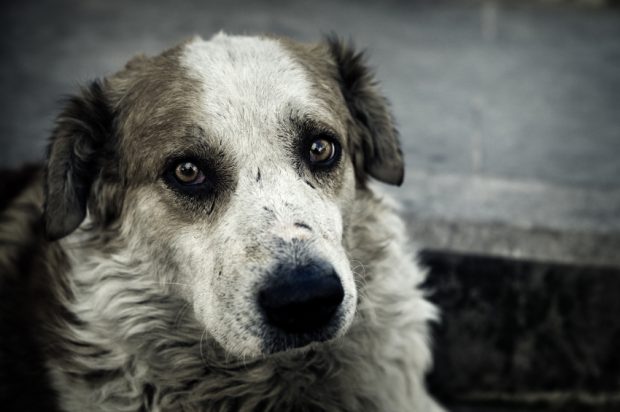
Sad dog iStock_000011589690Small

Earlier this year, Member of Parliament Nathaniel Erskine-Smith introduced Bill C-246, the Modernizing Animal Protections Act, a private member’s bill aimed at updating Canada’s federal animal cruelty legislation. The bill proposes to amend the Criminal Code to consolidate and modernize various offences against animals.

Canada’s animal cruelty laws have not been significantly updated since 1892. It’s time to modernize these archaic laws and more effectively protect animals from abuse and neglect. If you haven’t already done so, please contact your Member of Parliament to encourage them to support this bill. You can find your MP’s email address here. You can copy the text from the sample letter below into the body of the email if you wish.

You can also email the Prime Minister a message. (Click READ THE PETITION to see the message):

[emailpetition id=”10″]

Categories
animal welfare cruelty News/Blog Promoted rodeo

CBC to broadcast rodeo cruelty again

Calf roping 05

CBC Sports is once again planning to broadcast the rodeo and chuckwagon races at the Calgary Stampede.

CBC continues to ignore the fact that a majority of Canadians are opposed to using animals in rodeos, as shown in recent polls.  Our national public broadcaster is supposed to reflect Canadian values.  Instead, it persists in broadcasting events that subject animals to fear, pain, stress and the undue risk of injury and death – all for the sake of entertainment.

If you haven’t already done so, please sign our petition.

DSC_0345
Photo: Jo-Anne McArthur


Categories
animal welfare cruelty News/Blog Promoted rodeo

Great news: Abbotsford rodeo cancelled!

073115 - Abbotsford, BC Chung Chow photo 2015 Agrifair Rodeo in Abbotsford. Steer wrestling
This won’t be happening at the Abbotsford Agrifair


The Abbotsford Agrifair’s rodeo has been cancelled.  Organizers say the decision to cancel the rodeo was made to save money, but the event has been surrounded in controversy because of the inhumane treatment of rodeo animals.

VHS has been campaigning against the Abbotsford rodeo for years, calling media and public attention to cruel events like calf-roping and steer-wrestling. Last year, nearly 2000 VHS supporters emailed the Agrifair to call for an end to such events.  VHS also contacted the rodeo’s sponsors, asking them to end their support.  Our campaign, backed by radio ads and social media reached thousands of Abbotsford residents and compassionate people across the province.  Clearly, the message is getting through: There is no place in the 21st century for events that abuse animals for the sake of entertainment.

This is the second B.C. rodeo to fold after campaigns by VHS.  In 2015, the Luxton Rodeo on Vancouver Island was also cancelled.

Thank you to everyone who has supported our campaigns against rodeo cruelty.  With your help, we’ll continue this fight.  Watch this space!


Categories
animal welfare News/Blog Promoted zoo

The truth behind animal businesses

tiger iStock_000003062690Medium (2)

In recent weeks, two news stories have emerged that illustrate how businesses that exploit animals cultivate images of legitimacy while hiding a dark reality.

In B.C., the case of Mike Hopcraft, who has promoted himself as the “Reptile Guy”, made headlines when his facility in Mission was raided by the BC SPCA and a number of animals were seized.  Hopcraft claims to rescue and rehabilitate animals and is often featured on morning news shows as a reptile rescue expert.  Yet court documents obtained by Animal Justice tell a different story.
Caiman iStock_000000587920Large

In a blog post, Animal Justice says the documents describe what was found in the BC SPCA raid:  “Investigators repeatedly found dead animals, animals in such severe distress that they needed to be euthanized, infected and injured animals, emaciated and underweight animals, unsanitary tanks, overcrowding, cramped conditions, mouldy feces in tanks with live animals, animals with no water or undrinkable water, exposed wires, and broken lights.”   The post says the court documents also stated: “When Hopcraft was informed [two emaciated animals, one with four broken legs] were going to be seized he kicked a chair across the office and was escorted outside by the RCMP.”


In another revealing case, Michael Hackenberger, owner of Ontario’s Bowmanville Zoo was exposed allegedly abusing a tiger.  In an undercover video taken by PETA, Hackenberger uses a whip to motivate a male Siberian tiger called Uno.  In a so-called rebuttal to the video, Hackenberger admits to striking him twice, as quoted in the Toronto Star: “Maybe I viciously whipped the ground. Maybe I viciously whipped the air, but I did not viciously whip that tiger,” he said. “I didn’t strike the tiger except twice to get him turned around.”  In another undercover video, Hackenberger talks about training wolves, stating: “You smack ’em and they generally fold like a house of cards.”

Yet the Bowmanville Zoo, which is accredited by CAZA (Canada’s Accredited Zoos & Aquariums), attracts thousands of visitors and even praise in the media.  Positive PR and marketing by the zoo has convinced many people that it really cares about animals.  But when the veil slips, a disturbing reality is revealed.

iStock_000000747069LargeOver the years, VHS has seen a number of animal businesses exposed for what they really are.  In 2010, Cinemazoo, an animal rental agency based in Surrey, was investigated for animal cruelty by the BC SPCA.  The agency was forced to transfer a number of animals to more appropriate facilities.  It is still in operation, renting out animals for advertising, birthday parties and corporate events.

In 2009, VHS was instrumental in exposing animal abuse at the Mountain View Conservation and Breeding Centre in Langley, leading to cruelty charges being recommended by the BC SPCA.  Crown Counsel declined to proceed with charges but the centre divested itself of most of its exotic species. Prior to the revelations, the centre was said to have a “superb” record and was also CAZA accredited.

And who can forget the 2010 massacre of 56 sled dogs in Whistler, B.C.? Robert Fawcett, an employee of Howling Dog Tours Whistler Inc. was sentenced to three years’ probation in 2012 for causing unnecessary pain and suffering to nine of the dogs. Fawcett claimed he had been ordered to cull the company’s herd of dogs when tourist demand dropped off after the 2010 Winter Olympics.  Until the incident, the sled dog tour industry retained a rosy image of dogs pulling sleds of happy tourists through a winter wonderland.  But the attention brought by the case revealed the industry practice of culling unwanted sled dogs and the outdoor tethering of dogs for long periods.

sled dog iStock_000015556155Medium


While Mr. Fawcett was portrayed as a “bad apple” by the industry, in fact he served as vice-president on the board of Mush with Pride, a leading international sled dog industry group (until he was voted off when the Whistler massacre became public knowledge).  He was a well-known and leading figure in the sled dog world.

These revealing incidents should serve as a reminder to the public that businesses that use animals for profit need to be constantly scrutinized and their claims should be treated with extreme scepticism.  Anyone who patronizes zoos, aquariums, circuses, rodeos, sled dog tours or races, horse races and other animal entertainment businesses should realize that the positive images they are sold are unlikely to match the harsh reality the animals experience.

When animals are treated as commodities their welfare will always be compromised.