Categories
animal welfare compassion cruelty News/Blog Promoted rodeo

Why is the UBC alumni association promoting the Calgary Stampede’s cruel rodeo events?


DSC_0382
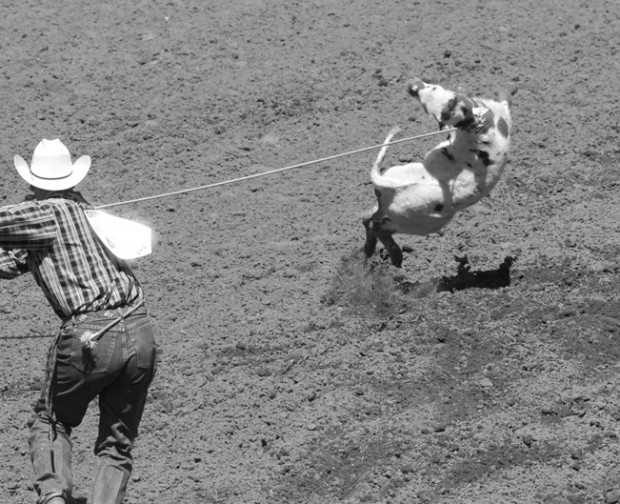
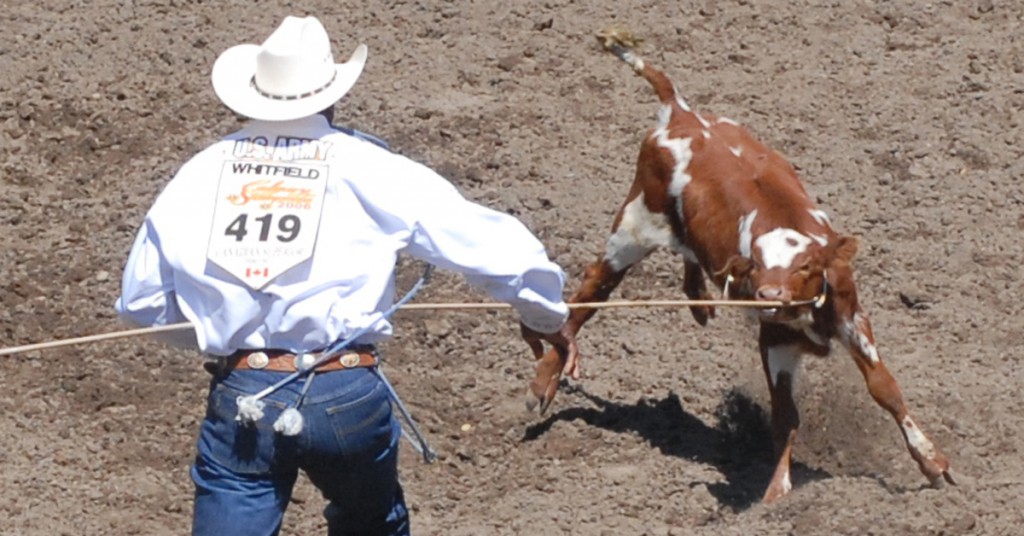
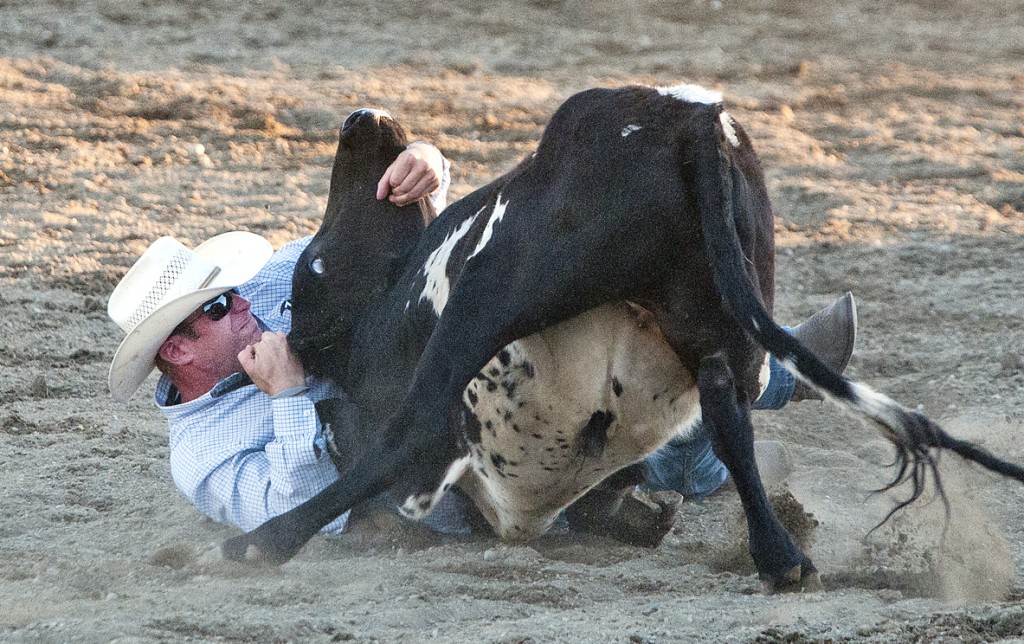
Calf-roping at the Calgary Stampede. Photo: Jo-Anne McArthur


It’s surprising and disappointing to learn that the University of British Columbia’s alumni association, Alumni UBC, is offering a trip to the Calgary Stampede rodeo to its members. It’s disappointing for obvious reasons – animals shouldn’t suffer for the sake of entertainment – but surprising because universities and their wider communities are often the agents of progressive social change.

calf roping040522Rodeo082cropresize

A number of UBC’s alumni who are associated with VHS (directors, former directors, staff) signed a letter to the association last year, urging an end to the promotion, but it’s being offered again this year.

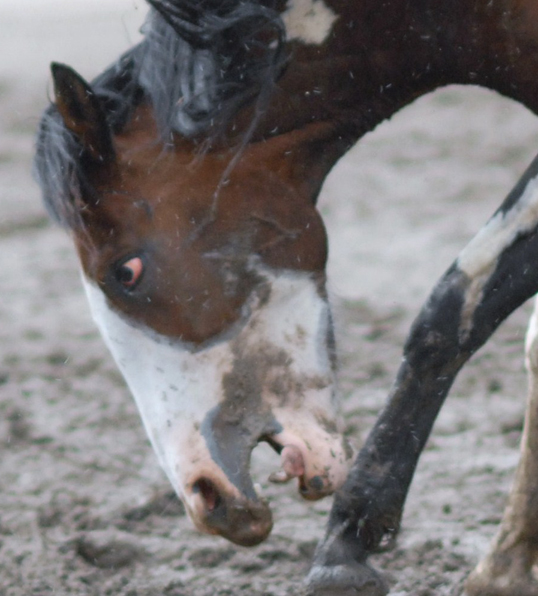
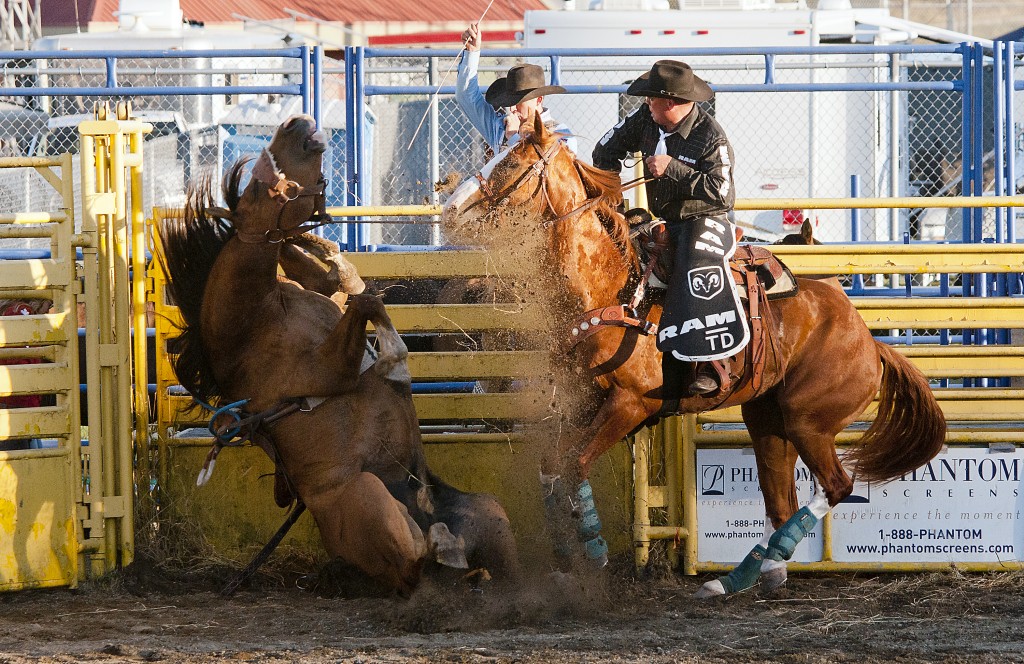
Presumably, Alumni UBC sees nothing wrong with tormenting animals.  Perhaps they find the photos on this page perfectly acceptable.  Most likely, they just see the Stampede as a tradition and see no reason to challenge it.

It’s a shame that when this issue was brought to the association’s attention, no one there had the intellectual curiosity to ask some questions about the ethics of rodeo.

Questions like this: When does an accepted tradition become unethical?

Sometimes you can put a date on it. Dog fighting, bear baiting, and bull baiting were outlawed in England by the Cruelty to Animals Act of 1835. But that doesn’t tell us when the critical mass was reached that allowed that change to take place. When did watching animals tear each other apart go from crowd-pleasing fun to socially unacceptable?

It’s even more difficult to determine when we’re approaching that critical mass on an issue in our own time. But sometimes there are clear signs.

VHS has been campaigning against cruelty to rodeo animals for a long time.  It’s still popular in a number of Canadian towns and, of course, at the Stampede. Nevertheless, cracks are appearing in public support for rodeo.
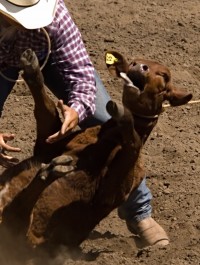
Calf roper at 2006 Russian River Rodeo, Duncans Mills, California

The most obvious indicators are polls showing most Canadians don’t support rodeos.  A December 2015 survey by polling company Insights West found that 63 per cent of Canadians are opposed to using animals in rodeos (66% in BC). Does Alumni UBC care that they are promoting something most Canadians think is wrong?

But polls are not the whole story. The cancellation of two professional rodeos in B.C. in the last two years (and half the events at Surrey’s Cloverdale Rodeo in 2007) signal a real lack of public support for rodeo on the West Coast. It’s no wonder the City of Vancouver banned rodeos in 2006.

Last year, the Vancouver Sun became the first daily newspaper in Canada to take an official editorial stance opposing rodeo.

In the same month, six other independent opinion editorials questioned the ethics of rodeo, including a piece by a member of the Calgary Herald’s editorial board, who wrote: “…the bottom line is these animals are still being used for sheer entertainment in events that can cause them traumatic injuries and death — and it is unnecessary for them to be subjected to this. Are we humans so hard up for entertainment that we must amuse ourselves by watching events that can cause animals to suffer and die?”

Most mainstream animal welfare organizations are opposed to rodeos, including our own BC SPCA, the Canadian Federation of Humane Societies and the national SPCAs of the United States, Australia, South Africa, the United Kingdom and New Zealand.

These are the institutions we entrust with the protection of animals and they think rodeo is inhumane. So do most British Columbians. So do most Canadians. So does the City of Vancouver. But not, apparently, Alumni UBC.

Back in 1835, there were few institutions to fight for the welfare of animals. But the compassion of enlightened Christian reformers brought about the critical mass necessary for profound change.

Today, our animal welfare organizations have made the case against rodeo. Now we need people of conscience, community leaders, educational institutions and civic organizations to recognize that it’s wrong to make animals suffer for the sake of human amusement.  Shouldn’t the alumni association of one Canada’s best universities be among them?

Please send a polite email to Alumni UBC asking them to stop promoting the Calgary Stampede rodeo.

More about rodeo here.


Ad calf
Photo: Jo-Anne McArthur
DSC_0345
Photo: Jo-Anne McArthur
Calf roping Cal Stamp J Mc
Photo: Jo-Anne McArthur

Calf being viciously roped at Calgary Stampede

JMDSC_0073crsmall

Wild cow milkingRodeo2

080802-Rodeo371

Bareback Riding

Calf face crop Rodeo-99


073115 - Abbotsford, BC Chung Chow photo 2015 Agrifair Rodeo in Abbotsford. Bronco riding Bronco refused to get up until motivated by the cowboy behind the fence.

Categories
animal welfare compassion cruelty News/Blog Promoted

A&W promises to go cage-free


Chicken_small


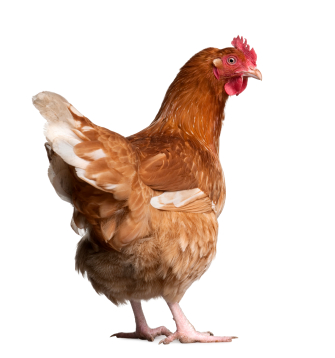
A&W has announced that it will serve only cage- and antibiotic-free eggs within two years.

The announcement follows a campaign by VHS and other Canadian animal protection groups, which urged the fast-food chain to join the many other food companies that have gone cage-free.

A VHS online petition had gained more than 6700 signatures asking A&W to stop using eggs from caged hens.

VHS applauds A&W for listening to the concerns about caged hens and responding in a positive and timely manner.

Categories
animal welfare cruelty News/Blog Promoted rodeo

Great news: Abbotsford rodeo cancelled!

073115 - Abbotsford, BC Chung Chow photo 2015 Agrifair Rodeo in Abbotsford. Steer wrestling
This won’t be happening at the Abbotsford Agrifair


The Abbotsford Agrifair’s rodeo has been cancelled.  Organizers say the decision to cancel the rodeo was made to save money, but the event has been surrounded in controversy because of the inhumane treatment of rodeo animals.

VHS has been campaigning against the Abbotsford rodeo for years, calling media and public attention to cruel events like calf-roping and steer-wrestling. Last year, nearly 2000 VHS supporters emailed the Agrifair to call for an end to such events.  VHS also contacted the rodeo’s sponsors, asking them to end their support.  Our campaign, backed by radio ads and social media reached thousands of Abbotsford residents and compassionate people across the province.  Clearly, the message is getting through: There is no place in the 21st century for events that abuse animals for the sake of entertainment.

This is the second B.C. rodeo to fold after campaigns by VHS.  In 2015, the Luxton Rodeo on Vancouver Island was also cancelled.

Thank you to everyone who has supported our campaigns against rodeo cruelty.  With your help, we’ll continue this fight.  Watch this space!


Categories
animal welfare cruelty Food and Drink News/Blog Promoted

Tell A&W to go cage-free!

enrichedcageiStock_000033264914_Medium
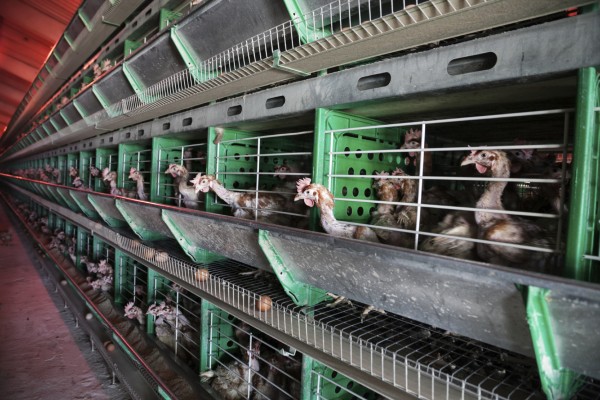
Hens in “enriched” cages.


Sign our petition asking A&W Restaurants to stop using eggs from caged hens


Update: More actions you can take 


Canadians are familiar with A&W Restaurants’ TV commercials boasting about the company’s vegetarian feed for chickens, but does the company actually care about chickens?  When you realize that A&W uses eggs from hens kept in battery cages and in so-called “enriched cages”, it appears the answer is clearly not very much.

What’s worse, the company appears to have no intention of moving to cage-free eggs, as many food companies are now doing.  We’re calling on A&W to follow the lead of companies like McDonald’s, Burger King, Starbucks, Nestle, General Mills and others, who have announced they are switching to cage-free eggs.

On its website, A&W says that “all of our hens will live in enriched housing by the end of 2016.” However, scientific evidence shows that, in welfare terms, a cage is still a cage, enriched or not, and that the birds will continue to suffer. The space and facilities provided in enriched cages are so inadequate that they deprive the birds of the ability to engage in natural behaviours, leading to frustration, suffering and body degeneration.

VHS’s ChickenOUT! campaign has helped educate consumers about the animal welfare problems created by keeping hens in cages – B.C. has the highest cage-free egg production of any province (17% compared to a national average of 3%).  (Our message has always been:  If you eat eggs please buy certified organic eggs, as they are guaranteed cage-free and have the highest welfare standards. Going egg free is the best option – it’s cruelty-free and alternatives to eggs in baking are widely available.)

Consumers need to let A&W know that enriched cages are still cages.

Sign our petition calling on A&W to do the right thing and switch to cage-free egg suppliers.

Latest: See our article in the Huffington Post!

Categories
animal welfare cruelty News/Blog Promoted

Please support the bill to end cetacean captivity


belugaiStock_000012952067Smallsmall

Senator Wilfred Moore is urging Canadians to sign a petition supporting a bill he introduced in the Senate to end the captivity of whales and dolphins in Canada.

The Senator will present all the petitions together with his Bill to “End The Captivity Of Whales And Dolphins In Canada” to the Senate on January 25th. The bill would end the live capture, breeding, and acquisition of cetaceans in Canada.

Unfortunately, the Senate does not accept any reproductions, so the
petition has to be hand-signed and mailed. No internet petitions accepted.

Please download the petition here.  It can be printed off and circulated to friends, family and colleagues for signatures.  It must then be mailed to the address at the bottom of the petition form by January 14, 2016.

Thank you.

More information on the bill.

Categories
animal welfare cruelty News/Blog Promoted

Is the end in sight for battery cages?

IMG_0480
Change is coming but more than 90 per cent of eggs in Canada still come from hens in battery cages.


.


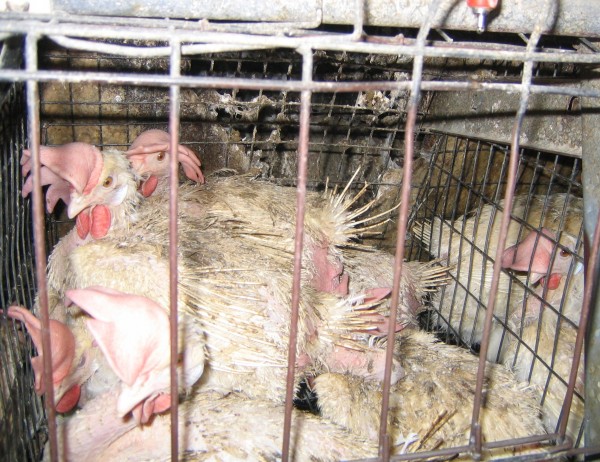
It looks like egg farmers are finally getting the message that consumers don’t want eggs from hens kept in crowded, cruel battery cages.

Their apparent conversion to the concept of cage-free egg production emerged in recent local media reports.  One farmer told the Abbotsford News: “I realized that’s the way of the future so I needed to personally change to meet the needs of our customers.”

His views were echoed by Brad Bond, chairman of the BC Egg Marketing Board, who told the Vancouver Sun: “This trend is going to continue and we are well-positioned to meet the demand… We know that animal welfare is top of mind for the hospitality industry and consumers alike.”

This welcome change comes after years of pressure by animal welfare groups that has educated consumers and retailers about the inherent cruelty of battery cages.  The recent decision by MacDonald’s Restaurants to phase out the use of eggs from caged hens may be the nail in the coffin for battery systems.  This follows similar decisions by big food companies such as Starbucks, General Mills, Sodexo, Aramark and Compass Group.

Here in British Columbia, VHS has led the fight against battery cages with our ChickenOUT! campaign – and we know it’s had an impact. It’s no accident that in B.C. nearly 17 per cent of eggs come from cage-free systems, compared to about three per cent in the rest of Canada.

But with more than 90 per cent of Canada’s eggs still coming from caged hens, there is a long way to go. And there are many problems to overcome.  Some farmers may switch to “enriched cages,” which provide a bit more space but still deny vital natural behaviours. Others may only go as far as switching to free-run or free-range, without moving to certified organic production, which has the highest welfare standards and is inspected by independent, third-party auditors to ensure operations are truly free-range.

VHS executive director Debra Probert expressed such concerns to the Vancouver Sun: “It’s a progressive move and those birds will be out of cages, but the public should know this is not the highest welfare system for laying hens…It remains to be seen how this free-run industry will function.” Nevertheless, the direction away from cages is clear.

While VHS welcomes the reduction in animal suffering that comes with the elimination of battery cages, we are well aware that the egg industry will still have inherent welfare problems, such as the killing of unwanted male chicks and inhumane transportation and slaughter, which all chickens endure.

That’s why VHS urges consumers to try making the switch to a plant-based diet.  Reducing or eliminating eggs from your diet are the best ways to help end the suffering of laying hens.  The good news is that new alternatives to eggs and egg products are emerging.

While victory over battery cage operations cannot yet be declared, their end is in sight.  Perhaps more importantly, the campaigns against them have shown that educating consumers and pressuring producers and retailers does work.  This bodes well for the fight against other cruel factory farm practices.  VHS is committed to being a part of that fight.  We hope you will join us.


Categories
animal welfare compassion cruelty News/Blog Promoted

Facing jail for giving pigs water


torontopigsave
Photo: Toronto Pig Save

Media in Ontario are reporting that an animal activist, Anita Krajnc, is willing to go to jail rather that face fines or a conditional sentence for giving water to pigs being transported to slaughter.

Krajnc is a co-founder of Toronto Pig Save, which holds vigils outside slaughterhouses to draw attention to the plight of pigs and other animals who endure cruel transport and slaughter. She was charged under the Criminal Code with mischief under $5,000 for trying to give water to pigs in a transport truck.  The incident was described by the Burlington Post:

“Krajnc squirted water from a bottle into a transport truck that was stopped at a traffic light at Appleby Line and Harvester Road, just outside the Fearman’s pork plant. A load of hogs inside the truck was being taken to the plant for slaughter.

“Krajnc, the co-founder of Toronto Pig Save, had a member of the organization videotape the incident, which escalated when the truck driver got out of the rig and confronted Krajnc.

TO Pigsave pic
Photo: Toronto Pig Save

“On the video, posted to Facebook, the driver tells Krajnc to stop squirting the liquid inside the truck. She tells him it is water and to be compassionate, that the pigs are hot and thirsty. She continued to give water to the animals. The driver said he was calling the police and got back in his rig. There was no physical confrontation.”

It is a sad day for justice in Canada when a harmless act of compassion can land someone in court, and possibly in jail.  It is no secret that farmed animals in Canada endure horrific conditions when being transported to slaughter. Trying to bring a small measure of relief to suffering animals is something that should be rewarded, not punished.

Toronto Pig Save is to be commended for its efforts to bring attention to this issue and we hope Anita Krajnc receives public support for her courageous and compassionate dedication to helping animals.

Categories
animal welfare cruelty News/Blog Promoted rodeo Uncategorized

Is the tide turning against rodeo in Canada?

the chucks

Photo: Jo-Anne McArthur

.


There are encouraging signs that attitudes toward rodeo and chuckwagon races in Canada may be changing, if independent opinion in mainstream media is anything to go by.

A recent editorial in the Vancouver Sun said that it was “hard to argue” with the description of the Calgary Stampede as “a spectacle of animal abuse.”

In the same week, a column in the Ottawa Citizen described the Calgary Stampede chuckwagon race as a “brutal mix of human domination over an animal running at breakneck speed in confined quarters” and asked: “Would we miss it if it disappeared?”

Calf roper at 2006 Russian River Rodeo, Duncans Mills, California

Another column in the Calgary Herald, authored by a member of the Herald’s editorial board stated: “…the bottom line is these animals are still being used for sheer entertainment in events that can cause them traumatic injuries and death — and it is unnecessary for them to be subjected to this. Are we humans so hard up for entertainment that we must amuse ourselves by watching events that can cause animals to suffer and die?”

Elsewhere on the prairies, an editorial in the Moose Jaw Times-Herald criticized the Calgary Stampede, stating: “Shutting down the rodeo portion of the Stampede deserves serious consideration.”

Meanwhile, the BBC drew international attention to the deaths of chuckwagon horses at the Stampede with a lengthy analysis titled “Why horses die on the half-mile of hell”.

Update: Yet another opinion piece (in Metro News Canada) critical of the chuckwagon race has been published.

Update: An article in the Ottawa Citizen describes watching the CBC coverage of the Calgary Stampede, stating:”…it was impossible not to feel empathy for the poor animals, so clearly unwilling participants in this painful and terrifying circus. In the name of tradition, the CBC broadcast an ugly and cruel spectacle, one that felt like it took place in a dark, shameful past that the public no longer wanted to acknowledge, or had an appetite for.”

Aside from media comment, it should be remembered that virtually all mainstream animal welfare agencies oppose rodeo.

A 2013 public opinion poll showed that the majority of B.C. residents are opposed to rodeo.  Maybe that sentiment is beginning to spread across the country. Let’s hope so.

Categories
animal welfare compassion cruelty News/Blog

Bearing witness to factory farm cruelty

Sow Puratone 2012

This month, Mother Jones Magazine ran a harrowing account of animal cruelty on an American pig farm. The article, an excerpt from a new book on factory farming by journalist Ted Genoways, focuses on an undercover investigation by People for the Ethical Treatment of Animals (PETA), which exposed farm workers meting out savage beatings to helpless pigs.

The story and an accompanying PETA video are, of course, deeply disturbing. They are much like other factory farm exposés by many animal rights groups over the years.  The recent investigation of an Alberta hog facility by Mercy for Animals Canada found similar cruel beatings by employees.  The humane community believes these and other cruel practices are widespread in animal agriculture here and around the world.

The media coverage of these investigations is vital in bringing these horrific abuses to light, but there is a nagging question in the minds of animal advocates: Are the people who need to see this paying attention?  After all, articles like the one in Mother Jones make for unpleasant reading and the video is stomach turning.  We’ve all heard the refrain from meat-lovers: “Don’t tell me.  I don’t want to know.”

Here at VHS, we wonder how much factory farm horror people can take.  Will the endless repetition of these accounts ultimately encourage people to just stop listening?  The answer, most likely, is to balance the horror stories with positive information about progress and practical advice, such as how and where to find alternatives to meat.

Yet, we are convinced of the importance of bearing witness to the suffering of animals on factory farms.  Yes, the stories are hard to read, and the videos hard to watch, but if they are not produced, distributed and shared who will know the truth?

That’s why we urge our supporters to read and watch at least some of the disturbing evidence of cruelty emerging from factory farming.  More importantly, we urge people who care about animals to share this evidence with friends, colleagues and family members who don’t know (or say they don’t want to know) the truth about what happens on factory farms.

Ted Genoways’ article is a compelling example of that truth. We urge you to share it widely.


Categories
animal welfare cruelty News/Blog Promoted

Appalling cruelty in animal transport

VHS demands action from government


Undercover footage taken by Mercy for Animals/Canada revealed that Canadian Food Inspection Agency inspectors failed to stop blatant abuse of pigs being transported to slaughter in Red Deer, Alberta. VHS is calling for enforcement of existing laws and updated legislation to protect these vulnerable animals (see our letter below).

Please contact Minister of Agriculture and Agri-Food, the Honourable Gerry Ritz and tell him Canadians will not tolerate this cruelty

You can also sign this petition (scroll down this link’s page to sign the petition)


October 16, 2014

The Honourable Gerry Ritz
Minister of Agriculture and Agri-Food
1341 Baseline Road
Ottawa, Ontario K1A 0C5

Dear Minister Ritz,

I was appalled to see undercover video footage exposing brutal animal abuse in Canada’s livestock transportation sector. The video shows animals overcrowded in transport trucks without protection from extreme weather or access to food and water; pigs who are so sick or injured they are unable to walk being painfully shocked with electric prods; workers using bolt cutters to break the tusks of male pigs without any painkillers; and animals who were so sick they died during transport.

To see this kind of cruelty under the watch of government inspectors and sometimes even in flagrant violation of existing laws, as weak as they are, is shocking, to say the least. The video captured a CFIA inspector stating, “If anybody has a camera, this will be on the internet” and another offering to get an electric prod for an employee. It’s clear that they know that what they are doing is wrong. CFIA inspectors are there to not only protect public health, but also to enforce animal welfare legislation. I find it shameful that these kinds of atrocities could take place in a civilized country such as Canada.

Canada needs to bring itself in line with other countries with much more progressive protection for farmed animals in transport – countries like the European Union, Australia, New Zealand and the US. Legislation to protect farmed animals, who are raised, transported and slaughtered with little or no oversight, should be fast-tracked in order to ensure not only the humane community, but the public, that the government takes farmed animal welfare seriously. Lastly and most importantly, CFIA inspectors need to be properly trained to do the job they are supposed to be doing.

Judging from the number of investigations done in recent months at farms and slaughterhouses chosen at random, this seems to be the culture of these industries, rather than an anomoly. I look forward to hearing the steps the Canadian government will take to address these issues.

Sincerely,

Debra Probert
Executive Director
Vancouver Humane Society