Categories
advertising fundraising News/Blog vegetarianism

Food, Friend, Why?

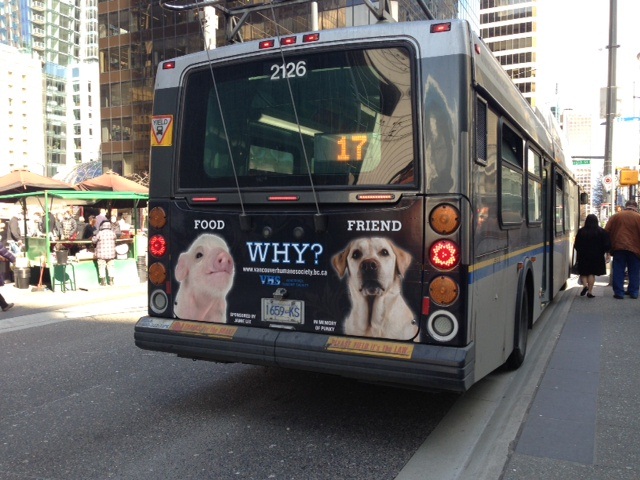
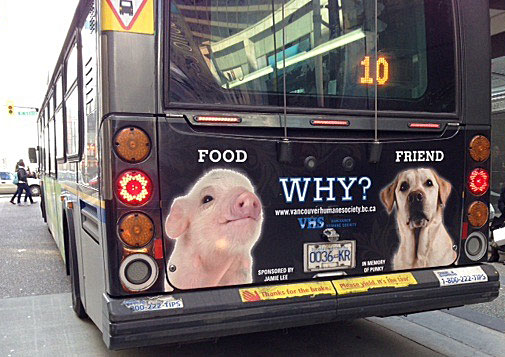
Photo of "Food, Friend, Why?" bus back advertisement
Our ad “Food, Friend, Why?” raises an important and provocative moral question: why do we eat one animal and befriend another? Most of us wouldn’t dream of eating a cat or a dog, but when one considers the intelligence and sentience of farmed animals, it doesn’t make sense to consider cows or pigs or chickens as somehow so different.

We certainly don’t expect everyone to become vegetarian. However, it’s simply a fact that reducing or eliminating meat is the most effective way to stop animal suffering. Check out Raising the Barn or Eat Less Meat to see how animals are raised for food and why meat production is not sustainable.

We would like to run this ad again, but we can only do it with your help. The ad company has been very generous – they usually extend the ads an extra week or two without charging us. This means your donation towards this project can accomplish even more!

[thermometer raised=6222 target=7000 height=400 align=left currency=$ alt=off]

link to donate now at canadahelps.org

You are amazing! We are only $778 away from our goal of $7,000. I know there are some of you out there who think the ad is important, but haven’t had time to donate yet. Can you help? It’s easy – just click the ‘donate now’ button. Even a small amount helps – if 105 people gave $10, we’d reach our goal! Thank you for all you do for animals.

Have you ever seen a hen chasing a ball? Check out this video captured by Director of Farm Animal Programs Leanne McConnachie on a recent visit to Rabbit River Farms (a producer of certified organic, free-range eggs).

[iframe src=”http://www.youtube.com/embed/6uD3D6rYHU4″ frameborder=”0″ allowfullscreen]
Categories
compassion cruelty News/Blog plant-based diet

Two ways of looking at animals

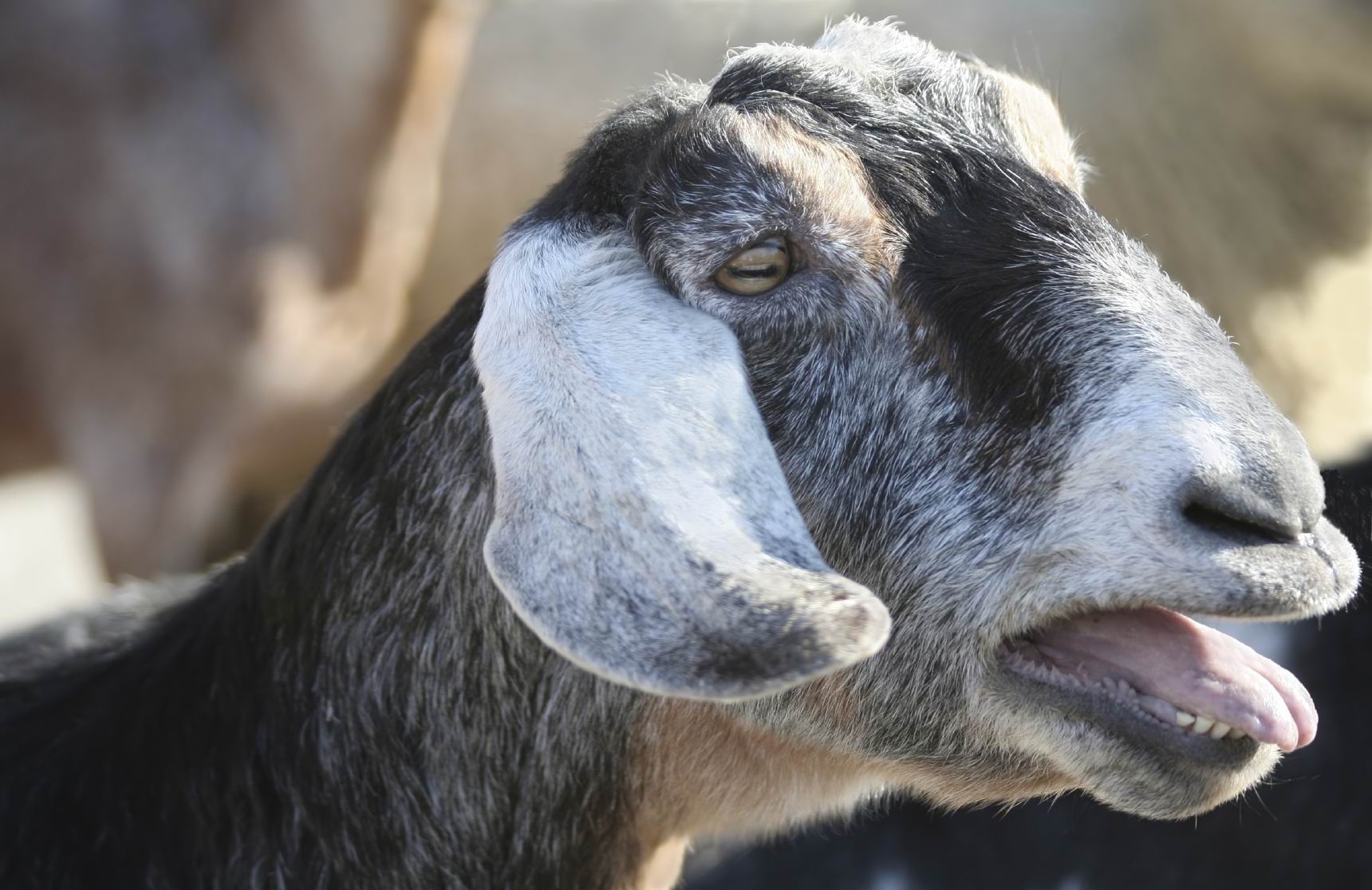
photo of animal Goat


With compassion

This heart warming video about a goat sanctuary demonstrates animal sentience and capacity for emotion.

As a commodity

This CBC story shows how the same animal is viewed as just a product, whose only value is economic.

Humans can choose not to treat animals as commodities by moving to a plant-based diet.  


Categories
cruelty News/Blog rodeo

Protest against the Luxton Rodeo

steer is killed in Luxton Rodeo

Please join with local animal advocates to protest against the Luxton Pro Rodeo in Langford, near Victoria, BC.

Peaceful protests will be held on:

Saturday, May 18th from 1pm to 4pm

Sunday, May 19th from 1pm to 4pm

Location: 1040 Marwood Avenue in Langford.

(A preparation/information meeting will be held at 12:30 to 1 pm at the nearby Happy Valley School at 3291 Happy Valley Road to answer any questions.)

More info on Facebook Event links: Saturday and Sunday

For additional information contact:

Melissa de Meulles
vcare@shaw.ca
Twitter @vcare2013


Categories
News/Blog Uncategorized

You can’t miss VHS’s new bus ad

VHS2People seem to like our new bus ad.  Let us know what you think.


Categories
News/Blog Uncategorized

Our new bus ad

VHS bus ad

Watch for our new ad, which is running on TransLink buses in Vancouver.

We hope it encourages people to think about their food choices. There are millions of animals suffering on factory farms.  We can all help them by making compassionate choices.  More information here.

Categories
News/Blog Uncategorized

New shocks follow Europe’s horsemeat scandal!

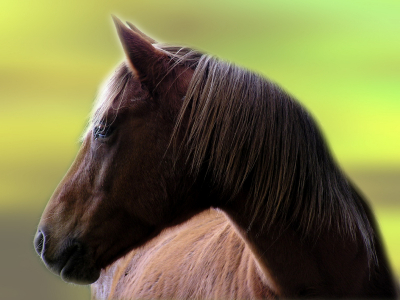
OLYMPUS DIGITAL CAMERA

The horsemeat scandal that has rocked Europe may be just the tip of the iceberg, as new revelations about the food supply emerge.  European consumers expressed revulsion when it was revealed that frozen lasagne and other products where contaminated with up to 100 per cent horsemeat.

But now a new shock about food products has turned the stomachs of shoppers and diners in Britain and across the continent:  It has emerged that the flesh of other dead animals, not just horses, is rampant throughout the food system.  For example, it has been revealed that dishes such as roast lamb and lamb stew actually contain the flesh of a baby animal of the same name.  Investigators have also discovered that the entrée known as veal is made from another baby animal called a calf.  There are now indications that the entire human diet may be contaminated with the flesh of a range of dead animals.

British consumers interviewed about the revelations were appalled.  “You mean every Sunday I’ve been eating one of the cute little spring lambs I’ve taken my children to see in the countryside?” said one horrified woman.

A man in a pub refused to finish his lunch when told that steak and kidney pie actually contains the organs of a slaughtered animal.  “What, you mean the kidney is actually a kidney?” said the disgusted diner.

Another diner, who said he had been sick to learn about horses being used for food because they were so sensitive and intelligent, was dumbstruck when told that his ham sandwich was made from a sensitive and intelligent animal called a pig.

Government officials have suggested that the contamination may be the work of “organized criminal gangs” who have introduced the flesh into the food chain.  There are dark rumours that this may even have happened on a global scale, with so-called “factory farms” keeping billions of animals in inhumane conditions before killing them and distributing their body parts for huge profits.

However, scientists and bureaucrats have dismissed the rumours, stating that it’s unthinkable for such a cruel system to exist.  “It’s impossible to believe that anyone could organize something so brutal on such a scale,” said one official.  “No civilized society would ever allow such a thing to happen.”

An environmental expert said such a system would also be unsustainable.  “It would use up an enormous amount of resources, pollute our air, land and water and contribute to climate change through massive releases of greenhouse gases,” he said.   “The human race would never be so self-destructive.”

And health officials say that if people were eating a diet heavy in animal flesh we would be seeing high rates of obesity, cancer, heart disease and diabetes.  “It just couldn’t happen,” said one medical expert.  “It would be almost suicidal for society to take up such a diet and we’re a lot smarter than that.”


Categories
News/Blog Uncategorized

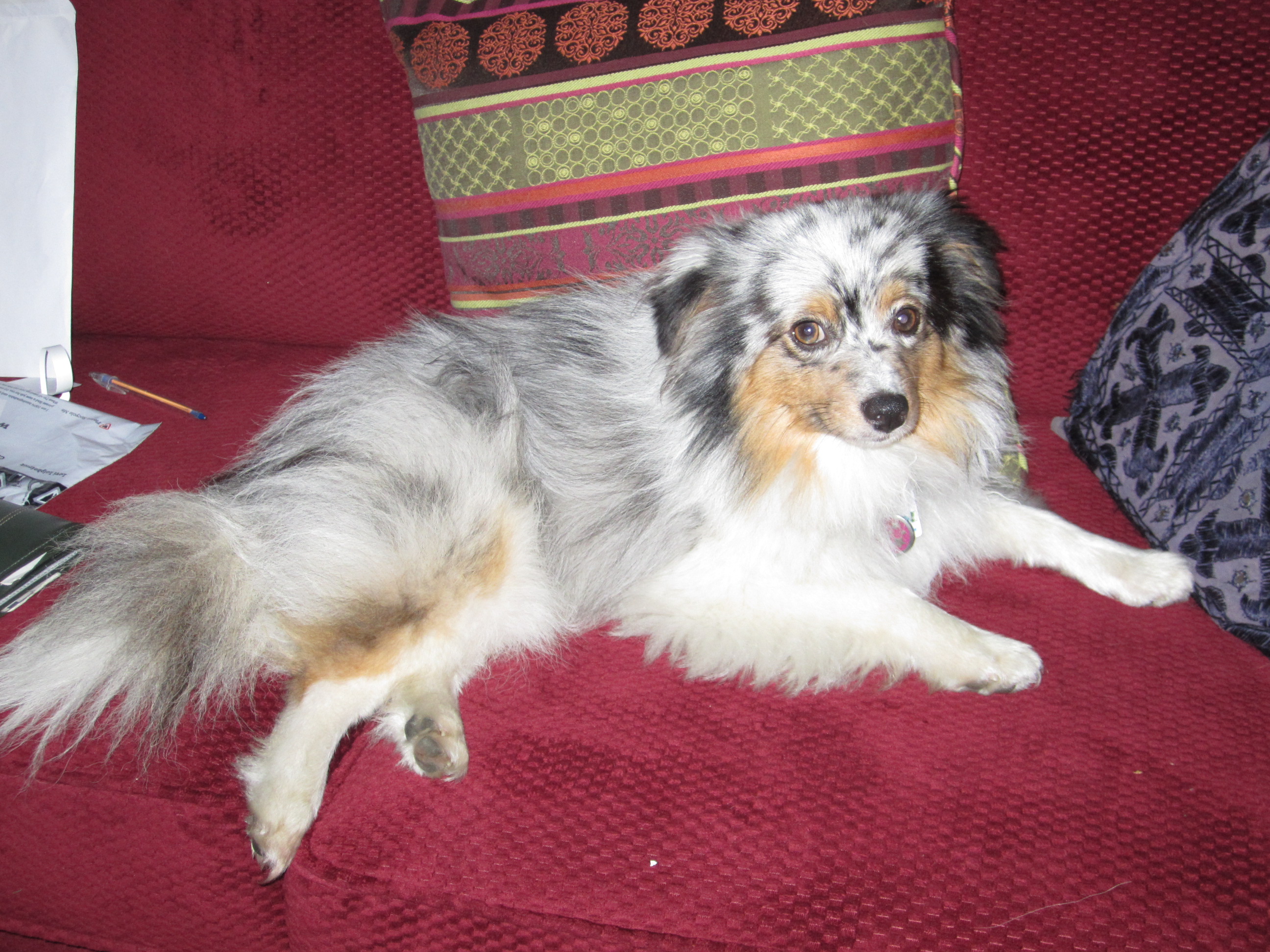
Can you help find Levi?

Levi, a mini Australian Shepherd, went missing on December 18 in the area of 13th Avenue and Clark Drive in Vancouver.  He was last seen on December 23 near Kingsway and Glen.

His guardians are desperate to find him and have advised that he is extremely shy and will run away if called or chased.  So if you see him please call 778-847-7045.  He is also registered with 24 hour pet watch, 866-597-2424. Microchip #0A12206166.  A reward is offered.

Categories
News/Blog Uncategorized

Tonka’s back on her paws

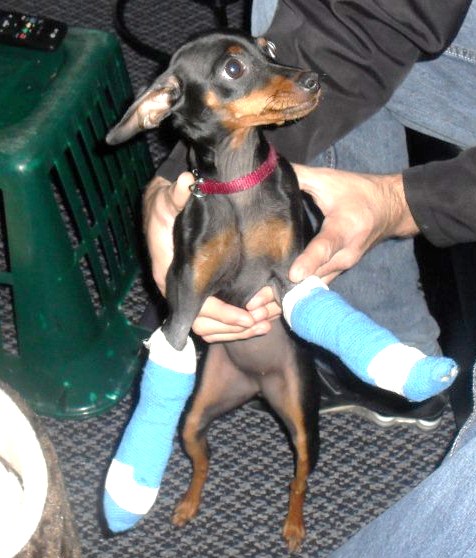
It doesn’t look like it, but this little girl had a lucky break.  Seven-month-old Tonka fell off a deck earlier this year and snapped both her front legs.  Her horrified guardians rushed her to a vet where her legs were set in casts, but they also learned she would need surgery to insert pins and plates that would save the use of Tonka’s legs.  The cost was substantial and despite borrowing and scraping together every cent they could, the amount still came up short.  Fortunately, VHS was able to help out through our McVitie Fund for sick and injured animals.  Tonka got her operation and she’s expected to make a full recovery.

Categories
News/Blog Uncategorized

Holiday potluck dinner

The Vancouver Meatless Meetup Group is teaming up with the Vancouver Humane Society for a fundraising potluck dinner on Saturday, December 15th. There are still a few openings, but they’re going fast! There will be lots of prizes to be raffled off, including two Christmas packages from LUSH (would make a great Christmas gift!), and gift certificates to restaurants and vegan stores. More info here. We hope to see you there!

We’re grateful to these wonderful businesses who have donated gifts to our raffle (please patronize them this holiday season):

LUSH Cosmetics

Karmavore Vegan Specialty Shop and Café

Nice Shoes – specializing in vegan shoes

3G Vegetarian Restaurant

Bandidas Taqueria

Categories
News/Blog Uncategorized

Why we say “eat less meat”

Visitors to the VHS website will note that we have a project called ‘Eat less meat,’ which provides information on the consequences of meat production and consumption.  It explains the animal suffering caused by factory farming and also refers to the negative impacts on the environment and human health. And, obviously, it encourages people to respond to these issues by eating less meat.

For some, especially ethical vegans and vegetarians, eating “less” meat may seem a tepid response to a system responsible for the slaughter and abuse of billions of animals.

It’s absolutely true that veganism, abstaining from all animal products, is the best response to factory farming and other forms of  animal cruelty.  If all human beings were vegan an immense amount of animal suffering would simply disappear.  It’s something worth aiming for, as both a personal goal and as an ideal for human society.

VHS’s position is that any movement toward that goal should be encouraged and that no one who falls short should be demonized.  So a heavy meat-eater who reduces meat consumption or a flexitarian who becomes a vegetarian or a vegetarian who becomes a vegan should all be applauded.  They are all on the same path and they are all making a difference.

Animal advocates, academics and philosophers are currently engaged in complex debates about human responsibilities toward animals and the moral issues surrounding meat consumption. Sadly, these debates can be bitter and divisive, leaving the animal rights movement fractured and fractious.

To outside observers it can sometimes appear that the debate is about competing for moral purity rather than addressing animal suffering.  Negative stereotypes of vegans and vegetarians, often fostered by the media, portray them as intolerant, humourless zealots.  Such misconceptions, though unfair and untrue, do have to be taken into account when encouraging people to address farm animal suffering by moving toward a plant-based diet.  Perceptions matter.

There is some evidence that omnivores resent ethical vegetarians because they perceive (inaccurately) that they are being harshly judged.  It is possible that the very people the animal rights movement wants to engage on this issue are being turned off by this perceived “holier-than-thou” attitude.  They feel demonized as morally inferior before anyone can even begin a discussion with them about the benefits of reducing or eliminating meat consumption.

That’s why VHS advocates eating less meat.  Anyone can do that.  And, once you start, it’s not hard to reduce meat consumption one step at a time.  There has never been a time when cutting out meat was so easy.  There are more meatless options in supermarkets and restaurants than ever.  There are more vegetarian and vegan cookbooks available and a wealth of online information on plant-based diets.

There are also plenty of studies showing why reducing meat consumption is good for human health, the environment and, of course, animals.  More people are becoming aware of these facts.  By becoming one of them and taking whatever steps you can to address the issue, you can make a difference.