Categories
cruelty News/Blog rodeo

Protest against the Luxton Rodeo

steer is killed in Luxton Rodeo

Please join with local animal advocates to protest against the Luxton Pro Rodeo in Langford, near Victoria, BC.

Peaceful protests will be held on:

Saturday, May 18th from 1pm to 4pm

Sunday, May 19th from 1pm to 4pm

Location: 1040 Marwood Avenue in Langford.

(A preparation/information meeting will be held at 12:30 to 1 pm at the nearby Happy Valley School at 3291 Happy Valley Road to answer any questions.)

More info on Facebook Event links: Saturday and Sunday

For additional information contact:

Melissa de Meulles
vcare@shaw.ca
Twitter @vcare2013


Categories
News/Blog Uncategorized

No justice for sled dogs

The sentence given to Robert Fawcett for his animal cruelty conviction in the case of the slaughter of 56 sled dogs, shows that our justice system still places a low value on the lives and welfare of animals.

Fawcett received three years probation and a fine of $1500 despite being convicted of “causing unnecessary pain and suffering to animals” in a case that shocked and outraged people around the world.  The maximum penalty for the offence is five years in jail and a $10,000 fine.

VHS believes a heavier sentence, including jail time, would have been appropriate and would have sent a signal to the public that animal cruelty is a serious crime that will not be tolerated in our society.

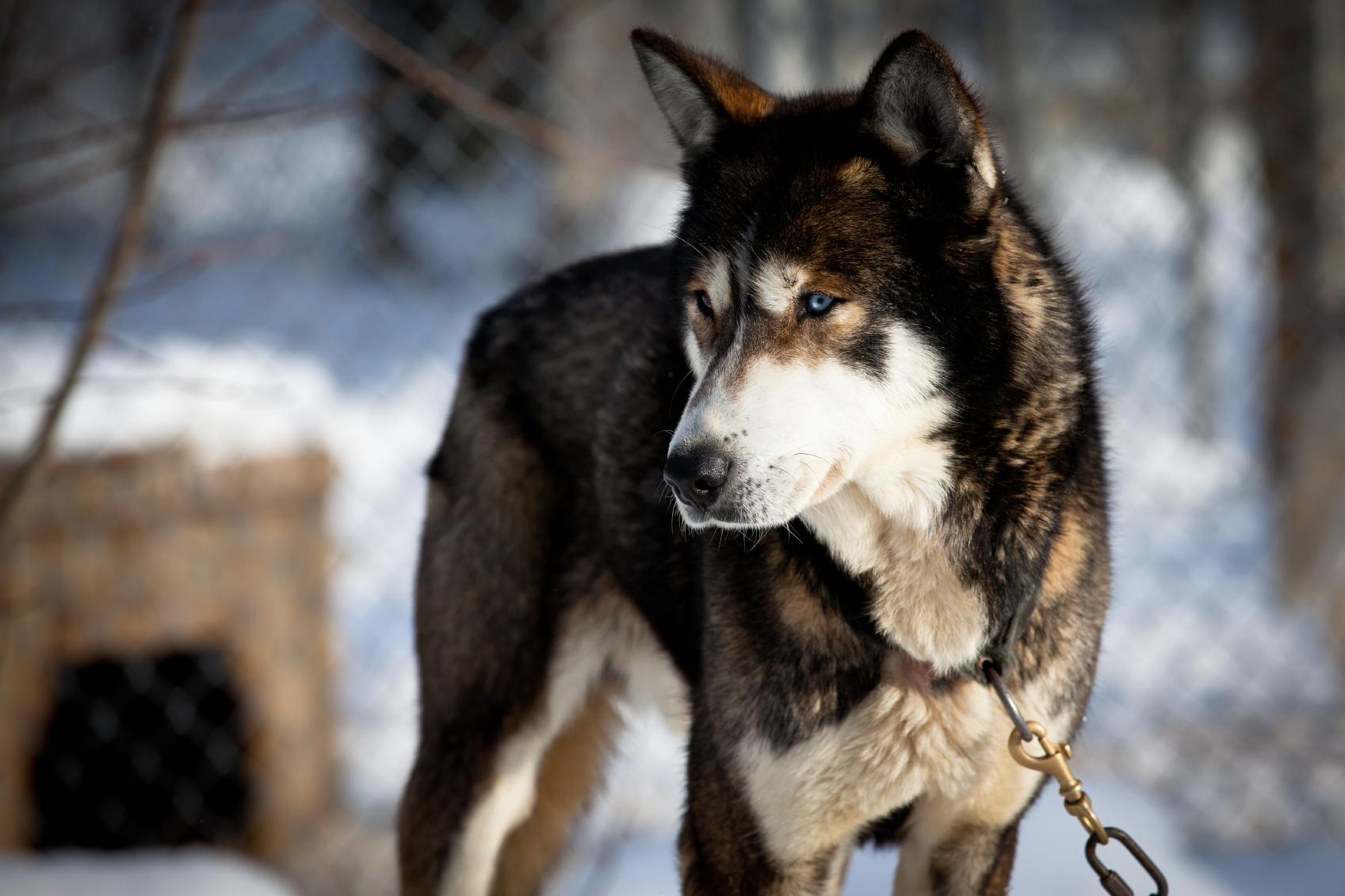
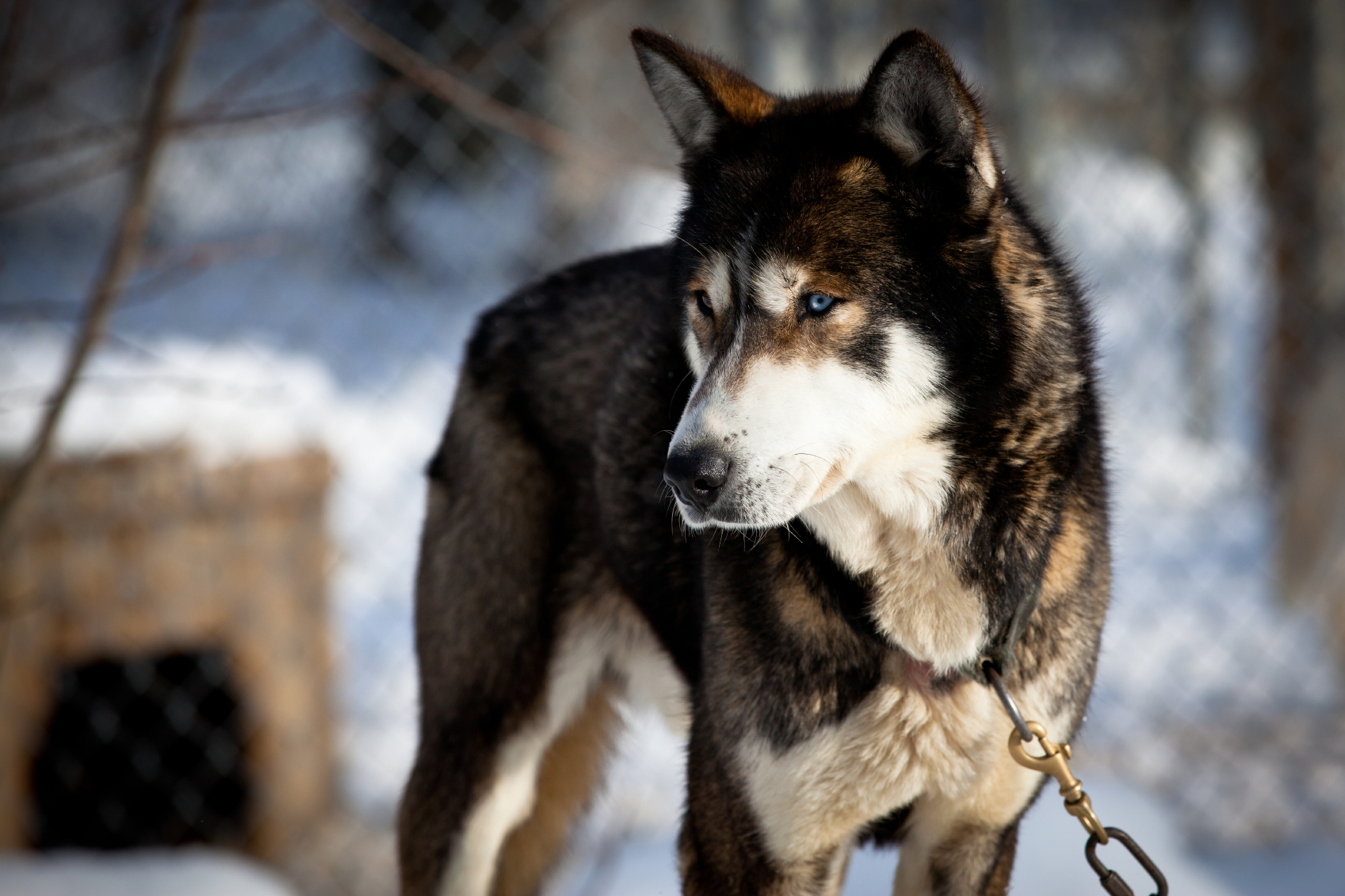
It is equally disappointing that, despite the public outcry over the massacre of the Whistler sled dogs, it is still perfectly legal for sled dog operators to shoot unwanted dogs.  It is also still legal for sled dogs to be tethered or chained outdoors for long periods, a practice that is clearly inhumane.  While new regulations have been applied to  the sled dog industry, no new resources have been made available to the BC SPCA to enforce them.

The B.C. government’s decision to increase the penalties for convictions under the provincial Prevention of Cruelty to Animals Act (prompted by the case), was welcome.   However, this does nothing to prevent healthy sled dogs from being shot when they are surplus to an operator’s requirements and there are no homes available for them.

The sad truth is that sled dogs will continue to be commodities open to exploitation for profit by an industry that is not known for putting their welfare first.  It should be remembered that Mr. Fawcett was not just some rogue operator or bad apple.  He served as vice-president on the board of Mush with Pride, a leading international sled dog industry group, until he was voted off when the Whistler massacre became public knowledge.  He was a well-known and leading figure in the sled dog world.  Surely, that says something about the industry as a whole.

In our view, dogs should be companions, not commodities.  They should only be euthanised when they are too old or too sick to live comfortably – and euthanasia should be by lethal injection carried out by a vet.  They should not be left tied to posts for long hours or pushed to their physical limits in races just to entertain people.  They should be cherished for their intrinsic value, not their economic value.


Categories
News/Blog Uncategorized

Sled dogs always at risk

Following the revelations in February about the horrific slaughter of 56 sled dogs in Whistler B.C., various defenders of the sled dog industry insisted that it was an “isolated incident’ and that the industry’s reputation should not be tarnished by the actions of one “bad apple.”

While the Whistler massacre may be an extreme example, there are certainly other instances in which dogs have been put in danger because of the failures of sled dog operators.

Most recently, 37 sled dog were left homeless when an operator in Quebec went out of business.  A former employee tried to care for them but ended up living in a tent in the woods with the dogs tied to surrounding trees.  Animal welfare groups are now trying to find homes for the dogs.

In 2009, also in Quebec, nearly 100 malnourished sled dogs, some blind and many pregnant, were seized by the SPCA from a sled dog business in financial difficulty.

In the same year, about 100 starving sled dogs were seized from an operator in Colorado.  Eight dogs were found dead.

Back in B.C., 34 badly-neglected huskies were seized from a sled dog business in Tumbler Ridge in 2008.

Those are just the incidents that get reported.  Who knows what happens at the many sled dog operations in isolated rural locations that are rarely subjected to scrutiny?

These cases support the Vancouver Humane Society’s contention that whenever a business depends on exploiting animals for profit, those animals will be put at risk.  When equipment is obsolete it can be sold or dumped.  When employees are no longer needed they can, at worst, be laid-off.  When animals are surplus to requirements they become commodities with no rights, leaving them vulnerable to methods of disposal that are at the whim of business owners.

That’s why VHS called for a ban on sled dog operations following the Whistler massacre.  The B.C. government rejected that option and instead imposed greater legal penalties for animal cruelty in the province.  It also established a “working group” to produce a new “standard of care” for sled dogs in B.C.  VHS is urging the working group to at least recommend a ban on the tethering of sled dogs for long periods and take other measures to protect their welfare.  VHS’s full submission to the working group can be seen here.

The sled dog working group is due to report its recommendations to the Minister of Agriculture on September 7th.  VHS, and, no doubt, the public, await the report with interest.