Categories
compassion Food and Drink News/Blog plant-based diet Promoted vegan vegetarianism

Delicious cakes from a creative vegan baker

Level V Bakery’s Monica Tang with some of her delicious creations


Level V Bakery is an online plant-based business in Richmond, BC, run by Monica Tang.  We talked to Monica about the challenges and rewards of starting a business… and her amazing vegan cakes!


Why did you decide to start Level V Bakery?

I always had dabbled in baking, but it wasn’t until January of 2017 that I took it more seriously, after my vegan BFF Maria ordered my very first cake.

Baking gives me a creative outlet since I need to be creative in order to replace eggs and dairy with vegan substitutes.

I wanted to impress people and show that vegan desserts can be delicious and look amazing too.


What has been the reaction from consumers so far?

The usual response I receive from vegans and non-vegans is that they cannot believe that my cakes tastes better than non-vegan cakes. They are also usually impressed at how moist my cakes are and yet also not too sweet. 


What are your most popular items?

My most requested cakes are the tiramisu, cookie dough, and chocolate peanut butter banana. 

The tiramisu was one my first cake flavours I developed. It’s an interpretation of a traditional tiramisu because one of my favourite non-vegan cakes I used to eat was a tiramisu from a Chinese bakery in Kerrisdale. It has three layers of vanilla sponge cake soaked in coffee, chocolate aquafaba mousse and is topped with a layer of coconut whipped cream. 

The cookie dough cake gives you the best of both worlds of chocolate and vanilla. This cake has five layers of vanilla sponge cake speckled with chocolate shavings – and in between each layer is a light chocolate frosting. It’s decorated with a chocolate ganache drip and cookie dough truffles. 

The chocolate PB banana cake was first created for my boyfriend (now husband) because it encompasses all of his favourite flavours. This cake has fresh bananas and peanut butter frosting in between five layers of chocolate cake. It’s also decorated with a chocolate ganache drip and addictive peanut butter pretzel chocolate gems.

Although these are my most popular flavours, I am always trying out new flavours and coming up with new creations.


What are the biggest challenges in making vegan desserts?

The largest hurdle I face making vegan desserts is finding the time and energy to try new recipes and to replicate items that need eggs. Things I’d like to achieve one day is to develop a vegan cream puff and vegan bubble waffles! 


Who are your customers?  

My main customers are vegans who share their cakes with their fellow vegan friends and omnivorous buddies. It’s great to know that my cakes can be enjoyed by everyone and doesn’t make one or the other feel excluded from the occasion they are celebrating. 


Do you plan to expand the business?

I may have the opportunity to provide vegan baked goods to a local organic grocer in the near future!


What is the hardest part about opening a vegan business?

I think the hardest part is to get started, even though there is a growing trend of vegan companies out there. I don’t really feel like it is about competing against each other, but to support other businesses, welcome new ideas, and to work together to achieve the goal of a vegan mecca.


What do you like best about your work?

The best part of making vegan desserts is to share them with other people and receive their reaction! I love it when people tell me what they think, how they like it, and what I could improve on.  


Do you think demand is growing for plant-based foods?

I do believe there is a growing demand. As more people become exposed to words like “plant based” and “vegan” and with an abundance of vegan options now available, people are starting to become more aware that the choices they make have a great impact on their health and the environment. 


Where do you see Level V Bakery in five years?

I haven’t even gave that a thought. Hopefully making desserts on a larger scale and providing to local grocers, cafes, and restaurants. But my dream would be to open my own bakery and have my own bricks and mortar store! 


Level V Bakery
Email: levelVvegan@gmail.com


Categories
Opinion Editorial

Glue traps a cruel way to control rodents

Article originally published in the Vancouver Sun.

Aneurin Bevan, a minister in the Britain’s postwar Labour government, once described his Conservative party opponents as “lower than vermin.”  It was perhaps the ultimate insult, considering that vermin are, as one dictionary puts it, “noxious, objectionable, or disgusting animals collectively, especially those of small size that appear commonly and are difficult to control.”

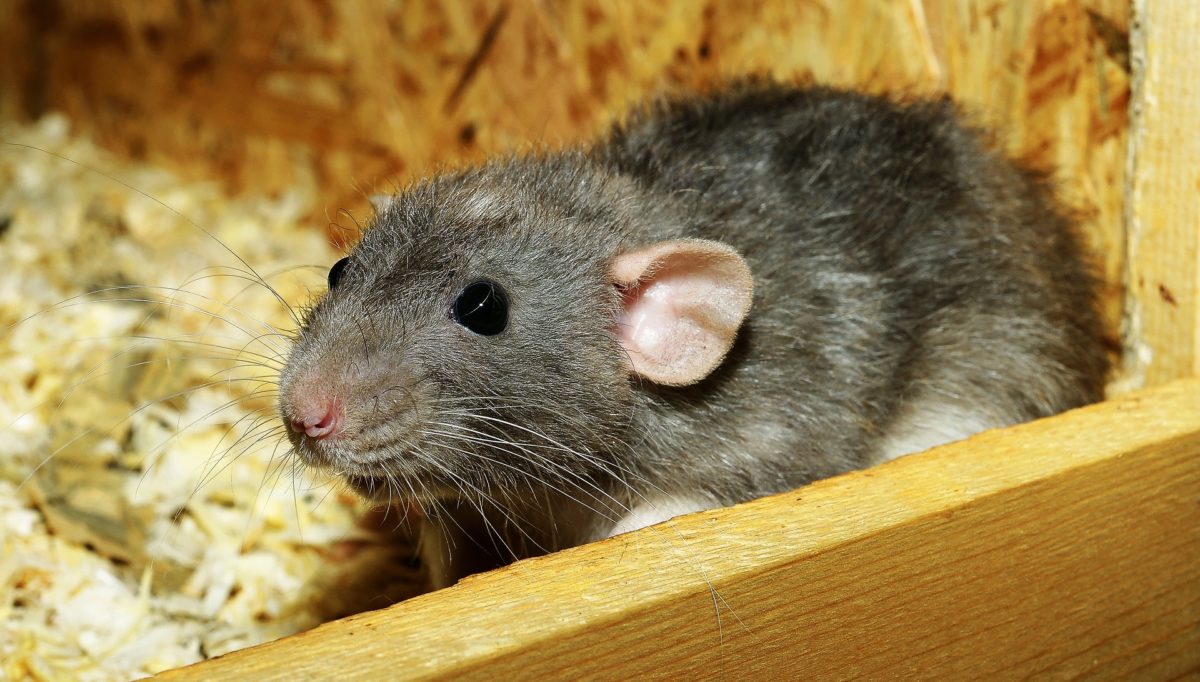
But vermin is just a label for wildlife, usually rats and mice, whose efforts to survive and thrive conflict with human efforts to do the same. Rodents don’t aim to cause us trouble but sometimes they do. Of course, being humans, we have employed science and our industrialized might to create an array of weapons, including traps, electrocution and various poisons, to keep them at bay.

Even animal lovers see little alternative to using lethal methods to keep their homes free from rodent infestation. Coexisting with rats in your kitchen is a bit of stretch for even the most compassionate among us. Preserving public health and safety and protecting food in homes, restaurants, warehouses, etc. are paramount.

But must our conflict with rodents be the cold, pitiless, all-out war on “vermin” that it seems to be? Should lethal methods always be the first choice and, if they are, shouldn’t they be as humane as possible? Consider one of the main products sold by major Canadian retailers to deal with rodents: glue traps.  These are boards made of wood, plastic or stiff cardboard coated with an adhesive on which rodents become stuck by their feet or fur.  They are anything but humane.

A 2003 Oxford University study found that rodents caught in glue traps “are likely to experience pain and distress” and “forceful hair removal, torn skin and broken limbs.” The study states that when boards are collected, the rodents are often squealing.  A pest control operative interviewed for the study described the animals to the researchers as “screaming their heads off.”

According to the study, the pest control industry recommends glue traps be checked every eight or 12 hours but, when used by the public, the length of time may be several days.

New Zealand and Ireland have banned glue traps and, after a campaign by animal advocates, a number of big wholesalers in the U.K. agreed to stop selling them. The Vancouver Humane Society has asked Walmart Canada, Canadian Tire, Rona and Home Depot to stop carrying the traps, but none of the companies has responded.

There are alternatives to glue traps, but none of the options is ideal.  Rodenticides, for example, are known to poison hawks, owls and other animals that eat rodents. The least inhumane lethal method is the snap trap, which is best purchased from specialty pest control companies.  Live traps can be used, with the rodent released elsewhere, but animals may return if released nearby or may suffer if relocated to areas without adequate food.  There is also the risk of animals being left for long periods in unchecked live traps.

The need for these methods can be greatly reduced through prevention and exclusion measures such as keeping garbage and compost secure, ensuring bird feeders don’t spill and sealing gaps where rodents can enter the home.

The B.C. SPCA has published a wealth of information on such measures on its website and also recently launched AnimalKind, a wildlife and rodent control accreditation program for pest control companies. The program accredits companies committed to using animal welfare-based standards approved by the B.C. SPCA.  To date, two companies, AAA Wildlife Control in the Lower Mainland and Alternative Wildlife Solutions on Vancouver Island, have been accredited. The accreditation standard prohibits the use of glue traps except under certain extreme circumstances and with a list of other conditions that companies must meet.

There are no easy answers when it comes to dealing with human/wildlife conflicts but we can take steps to minimize animal suffering and use the most humane methods possible.  Glue traps are certainly not one of these methods and consumers should avoid them.  In addition, they should urge retailers to stop selling them.

Categories
animal welfare Captivity compassion cruelty News/Blog Promoted wildlife zoo

The truth about animals in captivity

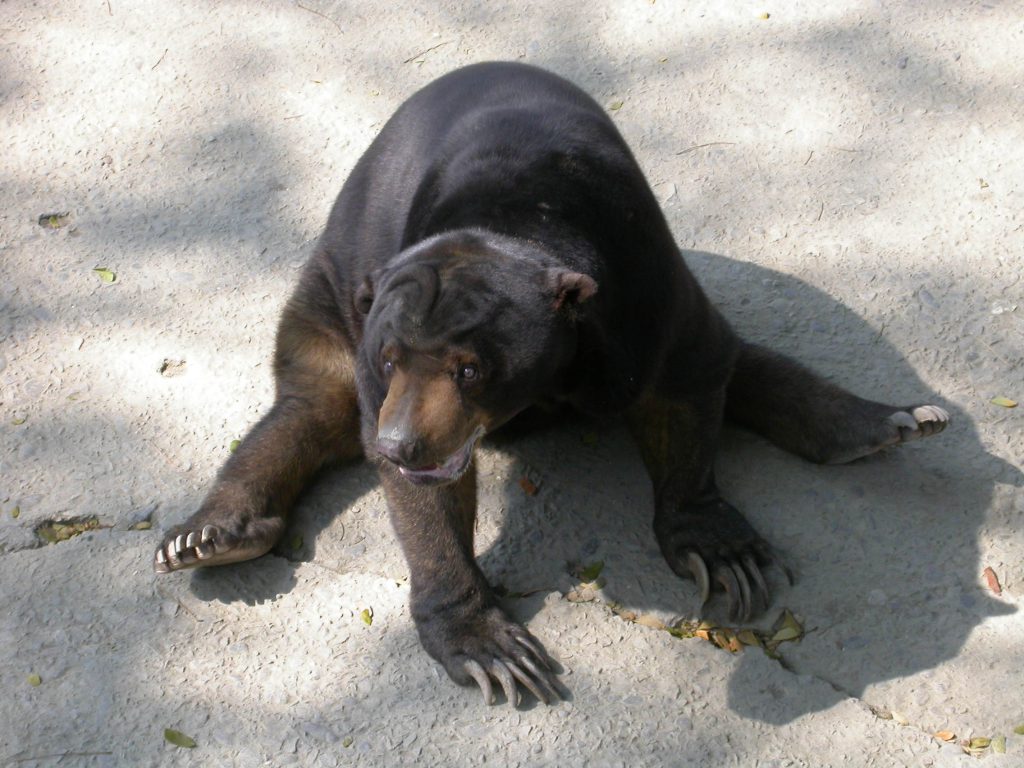
Captive Sun Bear. Photo: Rob Laidlaw


On March 27, VHS hosted a presentation in Vancouver by Rob Laidaw, executive director of Zoocheck, on animals in captivity. 

Titled Nature in a box: the paradoxical and dangerous world of zoos and aquariums, Laidlaw’s talk was a compelling indictment of the captive animal industry.  Drawn from his own research and long experience of monitoring the industry, including visiting hundreds of zoos and aquariums around the world, the case against captivity was overwhelming. Below are some of the key points from the presentation.

Space, freedom and family

A major criticism of captive animal facilities concerns lack of space for animals, which Laidlaw explained is often not obvious to visitors:

“Space is a core consideration for nearly all captive animals, yet it’s something that is often overlooked, ignored or even dismissed by many animal caretakers. Some claim that animals don’t need a lot of space because they only travel when they are looking for food. Therefore, they say that if food is provided, the animals don’t bother traveling. That’s a myopic and unscientific perspective because animals are known to move around for a diversity of reasons, not just to find food. And when adequate space isn’t provided, there can be detrimental physical, psychological and social consequences to the animals. All animals should be provided with the largest living spaces possible. There’s no such thing as a cage that is too big.”

VHS hosted Rob Laidlaw’s March 27 talk, which drew a crowd eager to hear about the plight of captive animals. Photo: Emily Pickett.

Captive animals also lose the ability to make choices because of their restricted and often barren environments, which are damaging to their welfare.  Laidlaw described how they’re also deprived of their natural social context, such as being part of a family or larger social grouping.

“In addition to space, additional critical quality of life considerations include freedom of choice, proper social context and stimulation and activity, but these too are often given short shrift. When that happens animals suffer physically and they also suffer psychologically, as they can experience negative emotional states, like boredom, frustration, anxiety, fear and anger.  All aspects of animal welfare should be considered if the interests and wellbeing of the animals are a priority.”
Laidlaw recounted an experience that perfectly contrasted the lives animals have in nature versus the deprivation they experience in captivity. While visiting a zoo he noticed a non-captive lizard roaming the facility’s grounds, later finding the same species on display.

“After observing that changeable lizard moving about freely, running, climbing and foraging, and then seeing it’s captive counterpart in a tiny, glass-fronted exhibit unable to engage in any natural movements or behaviours, I realized just how abnormal the situation of the captive was. Nature should be what’s considered normal, not the animal in the cage.”

Zoos’ claims about “education” lack evidence

It’s common for zoos and aquariums to claim that they provide “education” about the animals they display, but Laidlaw said there was little evidence this was true and cited research that clearly contradicts such claims.

“There have been a number of studies examining how long zoo visitors look at animals. The results show that for some animals, particularly if they are not active, observation times can vary from about eight seconds to 90 seconds. There’s not much that can be learned about an animal in that length of time.”

He gave a sad example to illustrate the point:

 “My colleague was visiting a large Canadian zoo to see a bittern, a relatively small wading bird, in one of the zoo’s indoor pavilions. He decided to time how long people actually looked at the bittern. While he expected visitor observation times to be short since the bittern wasn’t one of the zoo’s popular, charismatic mega-vertebrates, like lions, bears and elephants, he was still astounded when the average length of time the bittern was observed turned out to be less than one second. In fact, most people just glanced as they walked by, even when the bird was pointed out to them.”

The future: alternatives to traditional zoo model

Laidlaw ended his presentation with a description of some alternative concepts to zoos and aquariums and a call for change.

“The traditional zoo model, with its relatively unfettered viewing of animals and mass-market entertainment approach is outdated and no longer makes sense. There are many new exciting kinds of facilities and technologies that should replace traditional zoos. They include regionally-focused wildlife facilities, multi-disciplinary centers, sanctuaries, specialist education and conservation facilities, virtual zoos and innovative interactive film technologies.”

The nearly 100 people attending the talk, judging by their enthusiastic applause, left with new insights into what life is like for captive animals, and, perhaps, a new-found desire to work for an end to the places where they are incarcerated.

VHS has long fought for animals in captivity, exposing poor treatment of animals at the Greater Vancouver Zoo and opposing cetacean captivity at the Vancouver Aquarium, including publishing this joint report with Zoocheck.

Categories
Opinion Editorial

Chickens are birds, just like eagles, but they get no respect

Article originally published in the Georgia Straight.

It seems the world loves chicken but not chickens.

When KFC in the United Kingdom recently ran out of chicken, there was near panic, with customers complaining to their members of parliament and even calling the police. During this year’s Super Bowl, football fans reportedly consumed a record 1.35 billion wings and McDonald’s is reportedly planning to become a “credible chicken player” in the fast-food market. In 2016, Canadians ate about 32.5 kilograms of chicken per capita, the highest consumption ever.

All this reflects a trend away from red-meat consumption, which has likely been fuelled by concerns over its negative impacts on health, the environment, and animal welfare. But the downsides of chicken consumption and production have not attracted the same level of public attention, especially when it comes to animal-welfare concerns.

Most people think of chicken in terms of nuggets, not birds. When those Super Bowl fans are gnawing on wings, they are not thinking of the feathered appendages used to shelter chicks or to escape from danger. (Yes, chickens can fly.)

Although we admire the majesty of eagles or show affection for our pet budgies, most of us accord chickens rock-bottom status in the animal world. Some birds are feathered friends. Chickens are, forever, food.

Yet the science is clear that chickens are birds—and they share many of the same behaviours and abilities as other birds. Although we put labels such as “wildlife”, “pet”, or “livestock” on animals, the animals themselves only think and feel as individuals, each with their own needs and desires, oblivious to human categorization. The rooster crowing at sunrise may feel like an eagle, regardless of our perceptions.

A recent review of the scientific data on the cognition, emotion, and behaviour of chickens concluded that they “are just as cognitively, emotionally, and socially complex as most other birds and mammals in many areas” and that they “have distinct personalities, just like all animals who are cognitively, emotionally, and behaviorally complex individuals”.

The review, by neuroscientist Lori Marino, found that chickens:

  • have complex negative and positive emotions, as well as a shared psychology with humans and other ethologically complex animals. They exhibit emotional contagion and some evidence for empathy.
  • possess a number of visual and spatial capacities on a par with other birds and mammals.
  • share some very basic arithmetic capacities with other animals.
  • can demonstrate self-control and self-assessment, and these capacities may indicate self-awareness.
  • communicate in complex ways, including through referential communication, which may depend upon some level of self-awareness and the ability to take the perspective of another animal.
  • have the capacity to reason and make logical inferences.
  • perceive time intervals and may be able to anticipate future events.

Marino concluded: “These capacities are, compellingly, similar to what we see in other animals regarded as highly intelligent.”

It’s clear that chickens don’t deserve their low status in the animal kingdom, but should that even matter when it comes to how they are treated? The real ethical question should be about their capacity to suffer. In modern poultry production, there is no doubt that they do.

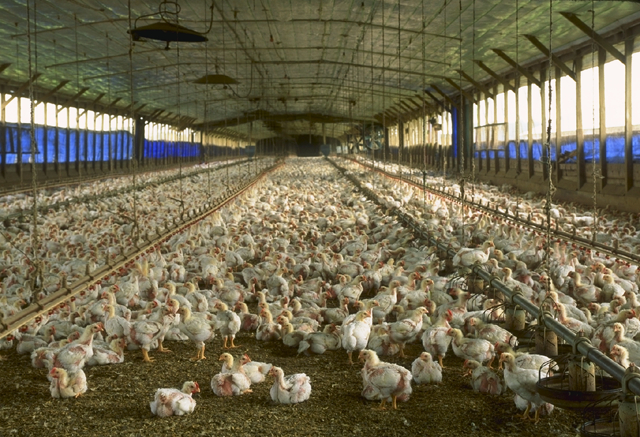
Chickens raised for meat are bred to grow so fast they are crippled by their own weight, leading to heart disease, skeletal disorders, and lameness. They are transported to slaughterhouses in cramped, unheated trucks with limited ventilation in all weathers, during which time they can legally be deprived of water, food, and rest for up to 36 hours. After short, miserable lives of deprivation, stress, and pain, more than 600 million chickens in Canada are shackled upside-down and slaughtered each year.

Aside from obvious animal-welfare issues, the overuse of antibiotics in poultry production has been cited as a cause of antimicrobial resistance, threatening the effectiveness of antibiotics for human use. Large poultry farms have also been identified as sources of air and water pollution. (A proposed poultry operation in Alberta, which would house 130,000 chickens, is meeting fierce opposition from local residents over environmental concerns.)

One answer to these problems is for consumers to avoid eating chicken altogether, but given its near universal popularity, how likely is that? Yet new developments in the plant-based-food sector suggest that finding a competitive alternative to chicken may not be as improbable as it seems.

number of plant-based chicken substitutes have successfully entered the market (not all available in Canada), but they have yet to make much of a dent in the poultry industry’s dominance. However, plant-based and “clean meat” start-ups continue to improve their products and attract investment. One small company making headlines is New Zealand’s Sunfed Meats, whose  Chicken Free Chicken consistently sells out in its home country and reportedly tastes very close to the real thing. After attracting significant international interest, the company says it plans to go global.

It’s easy to dismiss the idea that “fake chicken” might one day replace the animal flesh so popular today. But consider what’s happening in the dairy industry. Between 1996 and 2015, per-capita consumption of milk in Canada decreased by 21.5 percent. Meanwhile, the global market for plant-based dairy-alternative drinks is forecast to top $16.3 billion dollars this year—up significantly from $7.4 billion in 2010. The emerging plant-based sector is not going away and could be the “disruptor” that brings dramatic change to the food industry and our diets.

If such change is coming to confront poultry producers, it can’t come too soon for the billions of chickens that suffer to provide nuggets and wings to consumers whose appetites may be greater than their capacity for empathy.

Categories
animal welfare compassion Food and Drink News/Blog plant-based diet Promoted vegan vegetarianism

Blue Heron Creamery – Vancouver’s first plant-based cheese shop


Blue Heron Creamery launched in 2016 as a vegan cheese-making and event catering company, but recently Chef Karen McAthy and her business partner Colin Medhurst announced that they will shortly be opening Vancouver’s first standalone vegan-cheese shop. We talked to Karen about the new storefront operation and about the growing appeal of plant-based cheese.


How did Blue Heron Creamery start?

I had been the executive chef of Graze Vegetarian (a vegan restaurant that closed in 2015). During my time there, I had wanted to offer a vegan charcuterie or antipasto board, but I didn’t really love what was available in the stores with respect to dairy-free, vegan cheese options. I have a background in fermentation, and such, so I began searching for ways to make something I would want to eat and to offer. So began what is essentially the first stage of Blue Heron r & d. I was very fortunate during that time, in that I had a young cook/chef from another restaurant who knew I was doing fermentation and culturing and reached out to ‘stage’ and Katie became an integral part of that early research. 

In late 2015, I moved to another vegan restaurant, but the interest and demand for the cheeses and other foods didn’t stop, so I began thinking about what I wanted to do with this process. In 2014, I had been approached by New Society Publishers to write a book about vegan cheese-making, and since I was doing ongoing research for the book, I was making cheeses and sharing them. By the spring of 2016, I knew that Blue Heron was the name I wanted (I have an abiding respect, admiration and appreciation for herons) Then I had the great fortune to reconnect with Colin Medhurst at an Erin Ireland event, Mindful Movie night. Colin had been a regular guest at Graze along with his wife at the time, and I had done some recipes for one of their e-books for Feed Life, their nutrition and wellness company. 

Reconnecting with Colin, put the whole project into a new motion, and we were so incredibly blessed to have the help, support and effort from Eden Chan and Zoe Peled in our first effort to get the company into a more formal place, and since then it has been a constant sense of growth and demand, and a multi-faceted learning curve!


What was the response from Vancouver consumers?

I would say we’ve been so fortunate to have support from so many people. I never assume everyone will like everything, so I am always happy when our products are well received. We have some products coming, such as our blue cheeses, that we know won’t be everyone’s preference, but that is okay too. 

It’s an interesting time to be producing a product that we know will make some people very happy, invite some skeptics, and, well, all the usual things that come with being in the food industry. 


How difficult is it to create cheeses that have the same appeal as their dairy equivalents?

Well, this may seem surprising to say, but that hasn’t necessarily been my overt goal. I am more interested in understanding what the microbes want to do with the plant-based mediums and what flavours and textures will be the result. My goal has been more to create cheeses, free from animal products, that can stand on their own. Some will occasionally feel familiar or taste a little similar, and some of that is because the microbes doing the culturing produce those same kinds of flavour and texture in dairy cheeses. I work primarily with cultured cheeses and that is the focus of the cheeses Blue Heron will be offering. So, it is a bit of an invitation to not compare and contrast (though this will be a little inevitable), but to taste something for its own characteristics.

This is a little different than some of the other vegan cheese producers out there, who are doing the work of trying to capture some nostalgia and familiarity of things that folks miss or think they will miss.


What made you decide to open a storefront operation in Vancouver?

We weren’t actually seeking to open a storefront in Vancouver, or anywhere really (at least not at this stage). We were looking for a larger, non-shared space to produce, and this opportunity just came up and it seemed like we should just go for it. We are right beside Friendly Snackbar, another vegan (and gluten-free) spot with amazing treats, and we really enjoy working with the folks attached to that project and the Wallflower Modern Diner, where owner Lisa Skelton has been incredibly supportive and encouraging among many other things. And, the neighbourhood, Mt. Pleasant, has been my home for more than 10 years, so it has a lot of appeal. 


Will you be expanding your product range?  (Some examples? – What’s most popular now?)

I have developed more than 20 styles of cheese that we will be releasing gradually. Some take a long time to age and will not be ready for release until the fall. Others, like our Cumulus (a coconut milk based cheese, presented in several flavours), along with our Smoke’n’Spice (sort of like a young smoked gouda), Forest (earthy and mild smoky notes), our coconut yogurt, cashew/coconut sour cream, cultured and non-cultured butters, and some other products of the non-cheese variety. 

Later in the year, we will be releasing some of our more ’boutique’ cheeses, the ones that take longer to age and develop, like our Beachwood (an almond-based cheese), our Ardea Blue (an ashed and wine washed blue cheese), and a couple of varieties of  bloomy-rinded camembert. 


What has been the biggest challenge In launching a plant-based business?

How do I communicate hysterical laughter in writing? First, there is never just one big challenge in this kind of enterprise, and sometimes they overlap and can be overwhelming. Vancouver is an expensive city. So, finding affordable, suitable space is immensely difficult. Food costs are an ongoing challenge for anyone working in the food industry, and trying to be mindful of things like wanting to minimize waste, and remain attendant to Fair Trade issues, and meet all regulatory requirements requires constant attention. 

The growing nature of a business partnership is a challenge and pleasure all at the same time, and good partnerships require as much attention and care as good friendships or other human relations, and are essential to the core of the business, but this isn’t a ‘bad’ challenge, just the reality. 

And, we make cultured food products, so if inventory is getting low, we can’t just ‘make more’ and have it be ready the next day… so we have the challenge of trying to keep all the layers of production moving so that we can meet a constantly increasing demand. 

Also, I am not sure that these challenges are any different than any other food business, the only one that I haven’t mentioned yet, that is different than some of the others, is that we need to be ready to inform, educate, and speak to what we are doing much more often and at much more length than some other food businesses. At tasting events we have participated in (some of the Gala’s that we’ve been at), we are often asked many more questions and need to be prepared for that… but this is actually a pleasure and worth it. 


Who buys plant-based cheeses?  (Just vegans or is the appeal wider?)

Since I was at Graze and through until now, our client base has been fairly wide ranging. We have many vegans, of course, and quite a lot of vegetarians who are transitioning to vegan. But we have a number of clients who are lactose intolerant or allergic to dairy proteins, and we have a growing number of food interested, food curious people who are spending more time thinking about where their food comes from, how it is prepared, and who like trying new things. 


Do you think the market for plant-based food will continue to grow?

I think the numbers speak for themselves. I don’t think the increase in plant-based, vegan products or lifestyle choices will be a trend, such as cupcakes (peaked then dropped a bit). With the UN posting reports about the impact of animal agriculture, increasing water insecurity due to human engagement and politics, and ever mainstreaming of some of the animal ethics concerns, I think the growth will continue. The Plant-based Foods Association identifies the dairy free sector to be selling several billion dollars globally by 2020, and vegan cheese is looking at global sales of $3.5 billion by 2024. I think other issues will arise, as they always do with rapid shifts in consumer changes. Commodity prices for the ingredients used in these products, and for the products coming from sensitive political and developing nations will pose some challenging questions around extraction and ensuring human rights and wellness of those related communities will become larger topics I am sure. 


What do think is driving the interest in plant-based products? – Animal welfare, health concerns, environmental concerns?)

I think there is more than one factor. For many years, it could have been said to be the primary influence was personal health and wellness, then environmental, and then animal welfare and rights, but the hard, diligent, difficult and tireless effort of so many activists and researchers and lawyers on the ground have been steadily having deeper reach, (my opinion) within larger parts of mainstream society. Animal Justice (Anna Pippus as a rep for them), The Furbearers Association, Van Chicken Save (all here in Vancouver), do constant work in this area, and folks like David Isbister of Plantbase Food and Products, aligns his business with animal activism, and while there is ongoing exercised dialogue between this realm and detractors, this dialogue also creates the opportunity for shifts in perception. 

No major changes, or perhaps very few, didn’t come without a number of different forces at play.  


Where do you see Blue Heron Creamery in five years?

We hope to be widely distributing across Canada and the U.S., and have licensing of our method to other companies in other countries, and develop our food education and innovation components. The course I teach in conjunction with my first book, The Art of Plant-based Cheesemaking is routinely full, and we are looking to develop an online course, along with several other courses… and Colin, co-author of the Juice Truck book and a certified health coach, and I want to develop some other ideas. 

We also want to be in a place to mentor and develop other vegan cheesemongers, and help develop the methods and practices of craft vegan cheese-making evolve and be understood as an evolution of cheese-making craft itself. 

I have a personal goal that I have had for much longer than Blue Heron, Soil (I won’t say much more here right now), but I am hoping that somehow Blue Heron will allow that project to sprout and grow. 

Blue Heron will open at 2410 Main Street in February.

Categories
animal welfare compassion cruelty News/Blog Promoted rodeo

Fighting rodeo cruelty in 2018

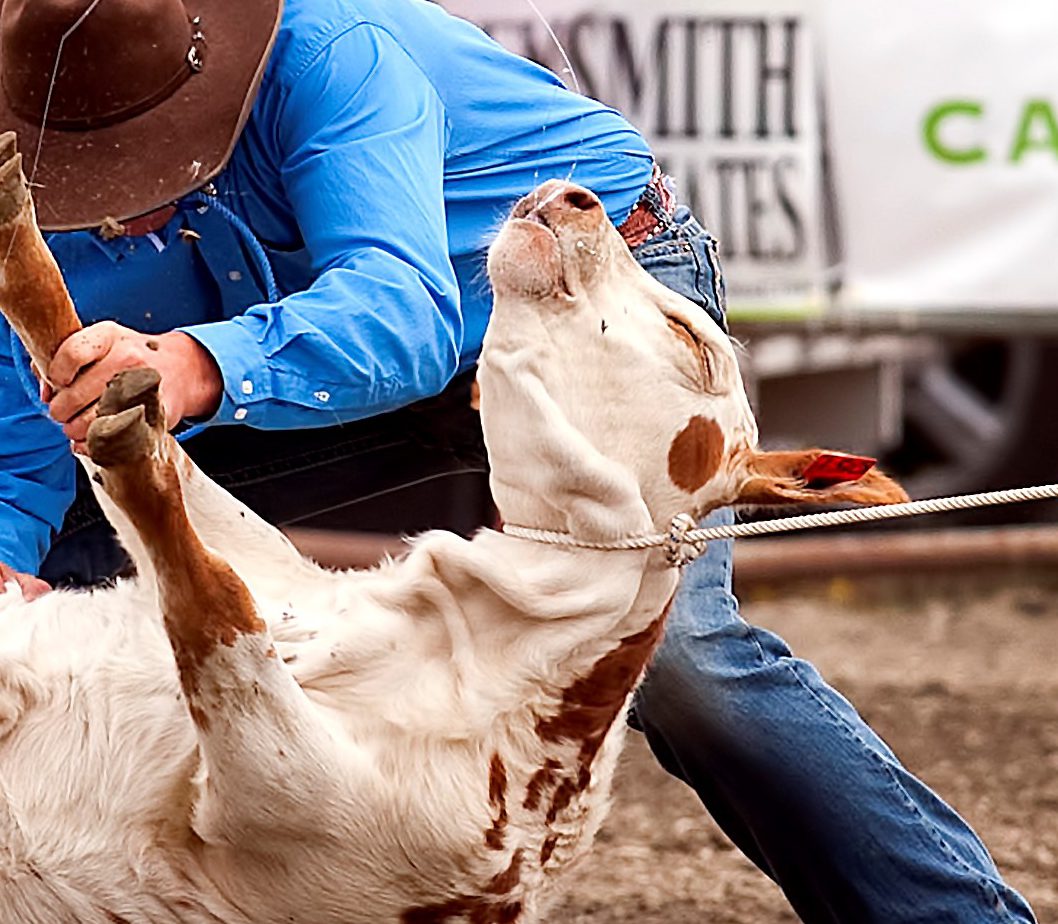
Calf-roping at the 2016 Chilliwack Fair rodeo


Your help and support will make a difference

VHS will continue fighting rodeo cruelty this year, with a significant public awareness campaign planned to address animal abuse at the Chilliwack Fair rodeo (Aug 10-12, 2018). We’ll need your help.

In 2017, the Fair’s board agreed to review two events, steer-wrestling and calf-roping, but sadly decided to retain both events, with some minor rule changes. The board ignored representations from VHS, the BC SPCA, the Canadian Federation of Humane Societies and Animal Justice, which called for the events to be dropped.

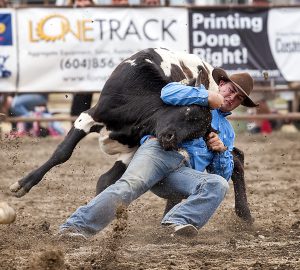
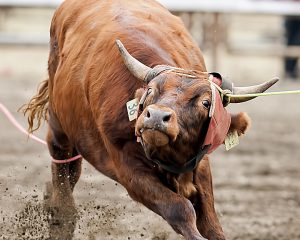
VHS will be working hard in 2018 to draw public attention to rodeo cruelty at the Fair and will be seeking the elimination of calf-roping, steer-wrestling and team-roping. As the photos on this page show, these events clearly cause animal suffering and distress. 

Steer wrestling, Chilliwack Fair rodeo 2016

We plan to engage with sponsors of the Fair and the wider Chilliwack business community, urging them to press the Fair for an end to rodeo cruelty.  We will be encouraging the public to engage with sponsors and express their concerns about the Fair’s continued support for rodeo.

We’ll also continue to draw attention to animal welfare other rodeos, especially the Calgary Stampede’s rodeo and chuckwagon races.

We hope animal lovers here and across Canada will support our work against the abuse of rodeo animals.  Please follow us on Facebook and Twitter for updates on our campaigns and on actions you can take to help. You can also sign up for VHS alerts and updates.

Team-roping, Chilliwack Fair rodeo 2016

In the meantime, donations to our fight against rodeo cruelty will help make our campaigns more effective. 

Our past campaigns helped put an end to rodeos in Victoria and Abbotsford, eliminated several cruel events at Surrey’s Cloverdale Rodeo and convinced the City of Vancouver to ban rodeos. 

With your help, we’ll gain more victories against this cruel spectacle of animal abuse.

Thank you.


Categories
animal welfare compassion News/Blog Promoted

Tucker was hit by a car. Now he needs your help.

Just before Christmas, Tucker was hit by a car that didn’t slow down in a school zone – he was dragged for several feet.
 
He was crossing the street to play in the snow with his family when the accident occurred. Tucker sustained several injuries, the most serious of which is a broken leg. Without surgery, his leg would have to be amputated – the single parent family with three little children could not afford the bill!
 
VHS jumped in to help. We paid for the surgery and now Tucker needs us to assist with follow-up care, including hospitalization for a serious infection and recuperation. Can you help?
 
Your donation will not only help Tucker make a full recovery, but will assist other desperate animals – we’ve already had two more calls this week. A generous anonymous foundation has issued a $20,000 matching challenge to donors to our McVitie Fund, which offers emergency veterinary care to needy animals. You can help us get an extra $20,000 by donating today! We’re nearly there!! We only need $2,231 to reach our goal of $20,000 – help us reach it by 2018! Just think of all the animals we can help!

Categories
News/Blog Uncategorized

This is a happy ending that will warm your heart!

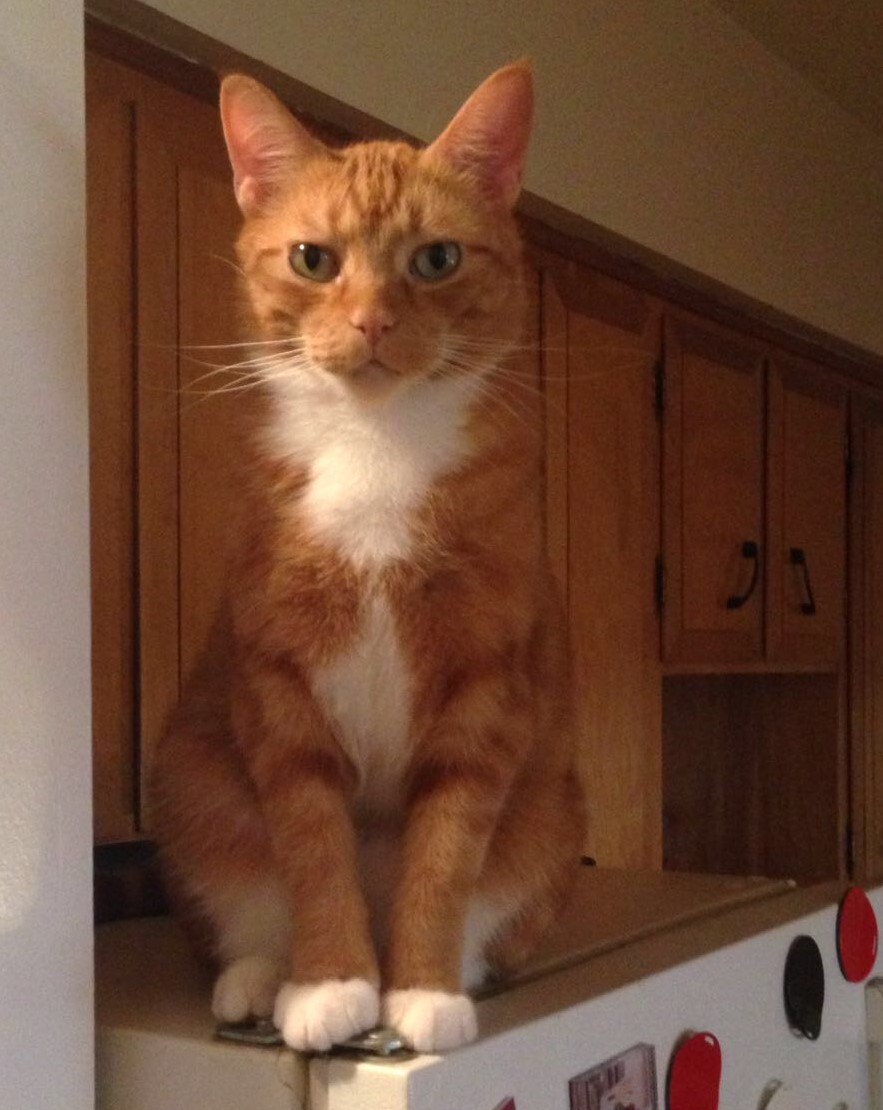
Ozzie recovering at home

Ozzie is a sweet young ginger boy who stole Trasi’s heart when she met him at a shelter. She adopted him on the spot and couldn’t wait to get him home!

The two-year-old cat loved his new home. After a few months, Trasi decided to let him enjoy the outdoors by taking him out on a harness. One day while out for a stroll, he was startled by a loud noise – causing him to suddenly back out of the harness and disappear!

Trasi was devastated. She did everything she could – checked shelters, put up posters, put lost notices on every single website she could think of. Finally, after he’d been missing for a month, she started getting calls from people in the neighbourhood who thought they had seen him. She knew she’d have to set a humane trap, so she called VHS.

VHS lent her a trap, but more importantly, we contacted our cat expert, June, a former VHS director who still manages our emergency veterinary care fund (the McVitie Fund). I have known June for over twenty years, and I don’t know anyone who has a store of knowledge about such things as her.

Trasi diligently followed June’s advice by setting the trap, monitoring it from a short distance whenever it was set, and being prepared to release any other creature that may inadvertently be caught. She soon realized that the sightings had been a neighbourhood ginger cat and Ozzie was nowhere in the area. She was heartbroken, and reluctantly decided to abandon her vigil.

Then her luck changed!  She received a call from someone in Marpole who had found a ginger cat whose microchip traced back to Trasi’s contact information!!! Ozzie had wandered into someone’s back yard weak and starving, and desperate for food, had followed his rescuer right into the house.

Trasi was overjoyed! Ozzie had lost 60% of his body weight and was famished, and his claws were worn down to nubs, indicating he had been trapped somewhere at some point.  But otherwise he seemed unharmed. She immediately took him to the vet, where he underwent a thorough exam, including blood work. He’s anemic and will need follow-up testing, but day by day he is gradually resuming his previous mischievous behaviour!

Although VHS’s trap didn’t prove successful in helping Ozzie get back to his home, his guardian cited June with keeping her positive with support and encouragement through the entire process. Ozzie had wandered from Kerrisdale all the way to 68th Ave. in Marpole, a truly incredible distance.

Needless to say, the microchip was key in reuniting Trasi and Ozzie. Cats and dogs should always have this form of ID! VHS also recommends a collar and tag with, most importantly, a phone number, as well as a clear ear tattoo, as close as possible to the top of the ear. This increases the chances three-fold that a lost companion animal can be reunited with their guardian. As well, people should be aware that harnesses are not escape-proof. We (and Trasi) think that they’re risky and there are safer ways to enrich a cat’s environment.

This has been a wonderful Christmas for Ozzie and Trasi. They ask that in honour of Ozzie, VHS donors support the McVitie Fund for needy animals. Right now, your donation will be doubled by a generous anonymous supporter who has issued a $20,000 challenge!! We have already reached nearly $15,000 – only another $5,000 to go and the amount will be doubled to $40,000! Ozzie doesn’t need it, but many other animals do – we’ve already had three calls for help this week, including one about a beautiful nine-year-old dog who was hit by a car. Please help us if you can!!

Categories
animal welfare compassion Food and Drink News/Blog plant-based diet Promoted vegan vegetarianism

Cruelty-free holiday gifts


Looking for that perfect, cruelty-free Christmas gift?  We’ve got a few suggestions!


Books   
             

How to Create a Vegan World: A Pragmatic Approach by Tobias Leenaert


Captive by JoAnne McArthur


The Animals’ Agenda by Jessica Pierce and Marc Bekoff


Veganism in an Oppressive World  by Julia Feliz Brueck


Beyond Beliefs by Melanie Joy


What a Fish Knows by Jonathan Balcombe


Carnivore Minds: Who These Fearsome Animals Really Are by G. A. Bradshaw


Clean Meat: How Growing Meat Without Animals Will Revolutionize Dinner and the World by Paul Shapiro


Cookbooks

Vegan for Everybody  by America’s Test Kitchen


Frugal Vegan  by Katie Koteen & Kate Kasbee


Vegan Richa’s Everyday Kitchen  by Richa Hingle


No Meat Athlete Cookbook by Matt Frazier & Stephanie Romine


Products & Services


Nice Shoes all vegan shoes, bags, wallets, socks, chocolates


Vegan Yarn all vegan, hand-dyed, ethically sourced yarn


LUSH (fresh, handmade cosmetics) easily identifiable as vegan or vegetarian


Vegan Supply  all vegan food


Pureology  all vegan, sulphate-free hair care products


Kama Natural Soap – essential oil scented vegan soap, bath salts and candles (beeswax in balms and ointments)


Sephora –  makeup and accessories, identifiable as vegan on website


Bioethique Spa On 4th –  100% natural and vegan spa


Zimt Chocolate – all vegan chocolate bars and other goodies


Kiss My Face – mostly vegan (some products have beeswax) personal care products, available at many local retailers


Matt & Nat – vegan handbags and other goodies


Emani Vegan Cosmetics – available at London Drugs


Arbonne – plant-based health and beauty products


Of course, gift cards to any of the wonderful array of vegan/vegetarian restaurants in Metro Vancouver (check out Earthsave Canada’s veg directory) are a great stocking stuffer.

And who doesn’t gift a bottle of wine or some craft beer? Check Barnivore to see if your favorite wine or beer is vegan! Here are a few that are:


Wines


Sandhill Wines


50th Parallel Estate Winery


Cedar Creek Estate Winery


Hester Creek


Red Rooster Winery (everything but Bantam)


Stag’s Hollow Winery


Sumac Ridge Estate Winery (2015 and forward)


Tinhorn Creek Vineyards


Beer

Russell Brewing Company


Big Rock Brewery (all but Honey Brown)


Okanagan Spring Brewery


Vancouver Island Brewing (all but Honey Brown)


Bridge Brewing Company


Happy Holidays!


Categories
animal welfare compassion Cruelty-free News/Blog Promoted

Vegan Yarn: comfort and beauty without cruelty

As knitting and other needlework becomes more popular every day, new stores (especially online) are sprouting – including exciting companies like Vegan Yarn! We caught up with vegan owner Heidi Braax, who, as she became more interested in knitting, got tired of being shuffled over to the “Acrylic Wall of Shame” (I’ve been there, Heidi!) The result is her own cruelty-free, ethically sourced and hand-dyed yarn company.


What led you to start Vegan Yarn?

I started Vegan Yarn after realizing there was really no artisan dyed yarn available that was also vegan-friendly. There were some basic, commercially dyed yarns, some of which were ok quality-wise, but none that really got me very excited, especially compared to my knit night friends who had all kinds of beautiful, one of a kind yarns. My background is in costuming for theatre and film, and I had some experience dyeing fabric, so it was a natural step to me to try dyeing my own yarn.

How do you differentiate yourself from other yarn businesses?

Being plant-based and sustainably-minded is already pretty unique, but even as more people are starting plant-based yarn businesses, which are still currently super rare, I think there’s plenty of room for more. After all, if you go to a yarn show like Fibres West, or Knit City, the place is full of hand dyed animal fibre yarn businesses, and they all find a way of making themselves stand out in their own way and do very well. Every dyer has their own way of seeing colour, and their own techniques. If you put two dyers to work with the same yarn, and the same dyes, you’d still probably get very different results. This is something I love about dyeing yarn, the individual artist really shows in their work.

What are your biggest challenges?

One is simply knowing when to stop. I could easily work non-stop, and still be overwhelmed with work to do and orders to fill. Since more and more people are discovering that they can bring fibre arts into their vegan lifestyle (or vice versa), demand is becoming much higher. Since I’m still working solo at the business, it can get a bit crazy over here. So, its a challenge, but it’s a good one.

The other challenge is managing to keep yarn in stock, while managing to keep a free path through our living room! This summer we received a shipment of sock yarn that was about 220 kilos! Like most small businesses that work with physical products, parts of the growth phase can be awkward.

How do you ensure your materials are ethically sourced?

Some of them are easy. All of our cotton yarn is certified organic and fair trade, and the company definitely puts the growers and workers first. With other companies that aren’t certified, its important to ask questions. Luckily there is a growing trend towards transparency, and businesses are getting better at this. I’ve realized that the more questions we ask, as business owners and as individuals, the more people who have the power to make decisions realize what’s important to their clients. If a mill owner realizes that their clients see ethical sourcing and sustainability as important, they will take an interest, even if only out of a sense of improving their product’s perceived value.

Tell us about your products. Which is your favourite?

I hand-dye all of our yarn in-house in New Westminster, BC with the exception of the Pakucho Original yarn and fibre, which is naturally pigmented organic, fair trade cotton. I’m definitely inspired by anime (Japanese animated film and television), which I’m a big fan of. I’m also a natural dyer, so some of the yarns I dye using plants and natural extracts and minerals. I’ve been starting a bit of a dye garden over the last few years, where I grow indigo, madder, marigold and dyer’s chamomile. I also collect black walnuts at the park by my house (don’t worry, I always make sure to leave plenty for the squirrels). To be honest, my favourite yarn is typically the yarn I’m currently working with, which, right now is Bellatrix, a fingering weight bamboo. I’m making a tank top.

Who are your customers? Is there a typical demographic?

Vegans, long time knitting enthusiasts who have tried just about everything and are looking for something new and fun, people with sensitivities or allergies and anime fans. Sometimes, we’ll get someone who is a combination of all or most of these, and they’re a ton of fun to meet! We actually get (seriously, for real) fan mail from people like that sometimes! Its hilarious to watch people at yarn shows. Sometimes we’ll hear, “VEGAN!” above the crowd, and someone will hustle over and they’ll fill their arms with yarn and have a huge grin on their face. People with severe wool allergies get to TOUCH EVERYTHING! YESSSS! Occasionally, a quiet, shy person will hover noiselessly over a specific colour that they clearly found on the website ahead of time, and bring it over to buy; they might have Totoro leggings, a Princess Mononoke backpack covered in buttons, purple hair and a secretive smile. Most likely they have plans to watch Princess Jellyfish or Kuro Mukuro later (subbed, not dubbed of course) while knitting their new Chieko, Mayaya or Ayame colourway yarn. If you ever thought knitters were strange, anime-knitters are next level! Luckily I’m one of them, so I speak from experience. Haha!

As knitting and other needlework continue to grow in popularity, do you think plant-based yarn is becoming more mainstream?

Yes! Since both fibre arts and veganism are both on the rise, and social media is bringing these two out of the closet, I think plant-based crafting is definitely only going to increase. Since starting out, I’ve personally witnessed many small yarn stores start to have (or increase the size of) plant yarn sections. Also, larger, big name suppliers adopt ‘vegan’ tags in their categories and searches online, which is proof that people are using those search terms, and the yarn businesses are paying attention. As demand for vegan-friendly yarn increases, yarn store owners are making a bigger effort to supply it.

Vegan Yarn can be contacted at: info@veganyarn.com