Categories
animal welfare compassion cruelty Food and Drink News/Blog plant-based diet Promoted vegan vegetarianism

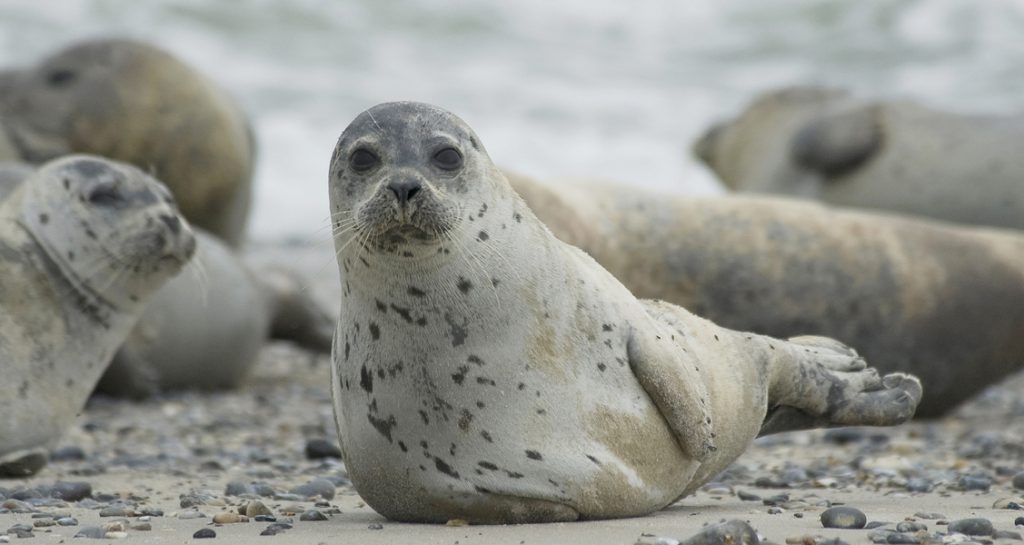
Please tell this Vancouver restaurant to take baby seal meat off the menu


A Vancouver restaurant, Edible Canada on Granville Island, is featuring meat from the cruel Newfoundland seal hunt on its menu as part of the Dine Out Vancouver Festival. 

VHS is urging Vancouverites to ask Edible Canada to remove the meat from its menu, as the commercial seal hunt is recognized around the world as inhumane.  More than 95 per cent of the seals slaughtered in the hunt are less than three months old and many are less than a month old.  They are killed by clubbing, shooting or hacking with a hakapik.

With more than two million seals killed since 2002, the seal hunt is the largest marine mammal slaughter on earth.  The hunt has been condemned internationally, with 35 countries banning the trade in commercial seal products.  A 2012 study by veterinarians determined that the hunt was inhumane, stating: “There are unacceptable (and unlawful) things being done to animals for profit in this hunt.”

Please contact Edible Canada and politely ask the management to reconsider the decision to put seal meat on their menu:

Eric Pateman, President, Edible Canada
Tel: 604 558 0040
Email: info@ediblecanada.com

Also contact the Dine Out Vancouver Festival to express your concerns about Edible Canada’s decision:

Lucas Pavan, Festival Coordinator
Tel: 604 682 2222
Email: lpavan@tourismvancouver.com
Categories
animal welfare compassion News/Blog Promoted

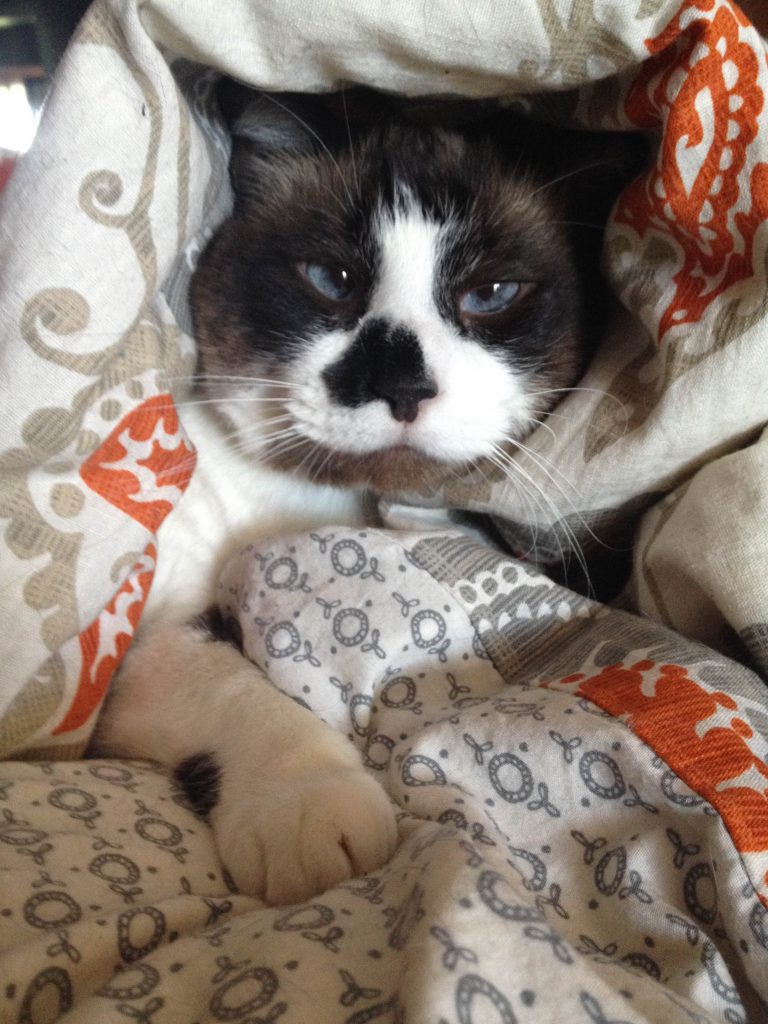
Bam Bam’s story is one that animal lovers know too well

bam-bam2

We like to tell people who support our McVitie Fund for sick and injured animals about the many happy endings the fund has achieved.

Sometimes, however, the ending is not the one we hoped for. And yet, even these stories of love, loss and bittersweet memory illustrate why we do what we do.

Eleven years ago Bam Bam was a cross-eyed kitten with a broken tail that no one wanted to adopt. Passed over by everyone, he eventually won the heart of a care-giver at the adoption centre. “He adopted me, really,” said staff member Kerry. “He always jumped on my shoulder and would kiss my face when I would come to feed him.”

Bam Bam turned into one of those “big personality” cats – demanding to sleep between Kerry and her husband Jamie every night or meowing while pushing his food bowl around the room to remind everyone that it was dinnertime. He was a little goofy, constantly bumping into sliding glass doors. But no cat was ever more loved.

Then one day Bam Bam began to lose weight and stopped eating. The first diagnosis suggested dental work was needed. That was done but still he wouldn’t eat. Test after test could not pinpoint what was wrong and Kerry and Jamie were running out funds. That’s when they reached out to VHS.

Our McVitie Fund paid for further diagnostics to discover the answer: Bam Bam had a very aggressive cancer. It was heartbreaking news but it meant Kerry and Jamie could now focus on making sure Bam Bam’s remaining days were comfortable and pain-free. With the help of a compassionate vet, he passed away peacefully.

Anyone who has loved a companion animal knows this story. It happens to all of us. It’s wonderful when we can save a sick or injured animal, but when we can’t it is so important that we ensure they leave us without pain and knowing only the comfort of our presence.

Thanks to generous supporters, our McVitie Fund works to ensure animals enjoy lives of good health, fun, adventure and love. When those lives are sometimes unavoidably cut short, we think it’s just as important that they experience only peace.

Please help us with a donation to the McVitie Fund. It will make a big difference to an animal who needs help. Even if it’s help to say good-bye.


Right now, your donation to the McVitie Fund will be doubled by a kind, anonymous donor – up to $20,000. We’re over halfway there – can you help?

Categories
animal welfare compassion Food and Drink News/Blog plant-based diet Promoted

Tell Health Canada it’s time to recognize the benefits of a plant-based diet

Food sources of complex carbohydrates, isolated on white background.

Your chance to stand up for a healthier, kinder and more sustainable diet for Canadians.

Health Canada is currently conducting a consultation on the Canada Food Guide, which makes important dietary recommendations for Canadians.  It only takes a few minutes to complete a brief questionnaire.

The questionnaire focuses on a number of questions related to health but also asks for general recommendations regarding diet (near the end of the survey).  Please stress the values and benefits of a plant-based diet.  Here are some suggested points:  

The Canada Food Guide should provide information on the specific benefits of a plant-based diet, which are well established by scientific evidence. These include: lower cholesterol, blood pressure and blood sugar; healthier weight and lower risk of cancer and diabetes. 

The Canada Food Guide should contain advice on how to transition to a plant-based diet, including specific information on how to replace animal protein with non-animal protein such as pulses.

The Canada Food Guide should provide information on the health, environmental and animal welfare implications of dietary choices. There is substantial scientific evidence showing that the overconsumption of meat is linked to poor health; that meat and livestock production causes environmental degradation, contributes to climate change and wastes resources; that intensive agriculture (factory farming) is inherently inhumane to animals.

Health Canada should actively promote the benefits of a plant-based diet and encourage its adoption by Canadians.  It should support concepts such as Meatless Monday, especially in schools, hospitals and workplaces, to familiarize Canadians with plant-based eating and its benefits.

Please click here to take part in the consultation, which runs until December 8, 2016.

Thank you for your support!

Categories
animal welfare compassion cruelty News/Blog Promoted

Please urge Vancouver City Council to ban horse-drawn carriages

photo-horses-bolt

VHS has written to Vancouver’s mayor and council, calling for an end to horse-drawn carriage rides in the city following this week’s near-disaster in Stanley Park.

Monday’s incident, in which frightened horses bolted on to the seawall pulling a carriage full of passengers, was a serious threat to both public and animal safety.  The runaway carriage hit a park bench, throwing the driver and leaving panicked passengers to jump off.  The horses were reportedly spooked by a car horn.

Anyone wishing to express their concerns to the mayor and council can email them. Our letter to the City and our position statement on carriage horses explain the reasons why these rides should be stopped.

Thank you for your support.

Categories
animal welfare News/Blog Promoted

VHS calls for end to horse-drawn carriages in Stanley Park


horses_-_stanley_park_vancouver_canada_-_dsc09752

Near disaster in park as frightened horses bolt 

VHS today called for an end to horse-drawn carriage rides in Stanley Park after television news broadcast disturbing video of a near disaster in the park today.

The video shows frightened horses bolting from their route in the park with a carriage full of panicking passengers, hitting a park bench and racing along the edge of the seawall before they were finally brought under control.  The driver was reportedly thrown from the carriage and the footage shows terrified passengers jumping and falling on to the pavement.

VHS has issued a news release calling for a ban on carriage horses in the park. The society has always opposed carriage horse rides in urban areas because of the dangers of the horses’ close proximity to traffic, the exposure to noise and pollution and long hours standing in all weather conditions.

For more information see our full position statement on horse-drawn carriages.


Categories
animal welfare compassion News/Blog Promoted

New film exposes sled dog cruelty

sled-dog-istock_000018254152small


You can help by drawing attention to this important documentary

A new documentary is exposing serious animal welfare problems in the sled dog industry in North America.  The film, Sled Dogs, is being screened at this year’s Whistler Film Festival in British Columbia in December.

VHS, which was interviewed for the film, has always been opposed to sled dog racing and touring.  After the infamous 2010 massacre of surplus sled dogs in Whistler, we called for a ban on the industry but the provincial government chose instead to introduce standards for the treatment of sled dogs (which we believe are inadequate and ineffective).

In a press release, the film’s director, Fern Levitt, says: “This film comes at a critical moment when the public is waking up to the treatment of animals and demanding change. The audience will be outraged when they discover the legal abuse of ‘man’s best friend’ under the guise of sport and entertainment. This is a timely documentary and a definitive call for action.” 

Take action 

Please view the film’s trailer here and comment. You can express opposition to the tethering of sled dogs and “culling” by gunshot. (You can view VHS’s position on the sled dog industry here.)

If you are able to attend the Whistler Film Festival we encourage you to see this film. Tickets will be available through the festival’s website.

Please share this information and let other people know about this important film.

Please donate to VHS to support our work on important issues like this.

Categories
animal welfare Food and Drink News/Blog plant-based diet Promoted Recipes school Uncategorized vegan vegetarianism

Chartwells & Langara College Lead Lower Mainland Meatless Monday Effort


langara-blog-post3

It’s been over a year and a half since Vancouver’s Langara College became the first campus in Western Canada to join the globally popular Meatless Monday movement. The Vancouver Humane Society (VHS) first introduced the initiative in March 2015 to Langara’s Environmental Club and food service provider, Chartwells. Both groups eagerly supported bringing it to the school’s cafeteria after learning about the impact of our society’s overconsumption of meat on animal welfare, the environment and public health.

“We felt this was a great opportunity to take a small, but powerful, step by raising awareness of the impact of our food choices and offering options to reduce that impact,” said Rizwan Bandali of Chartwells/Compass Group.

And seize that opportunity is exactly what Chartwells and Langara College did, with the introduction of delicious meatless menu items! The cafeteria kicks off each week with a wide variety of options, from roasted veggie paninis and mouth-watering curries to meatless meatballs, veg lasagna and creative tofu dishes.

langara-blog-post7Meatless Monday specials have been paired with eye-catching, educational posters aimed at raising awareness and boosting participation in the initiative. Statistics outlining water use and greenhouse gas emissions from meat production are another way the campaign extends education into the cafeteria and inspires individual action.

Chartwells reports sales have been steadily increasing and feedback regarding the meatless items has been very positive. So much so that the cafeteria recently began offering an additional daily hot vegetarian bar, adding even more meatless options to the menu.

Langara’s campaign has effectively blazed a trail for other Lower Mainland schools interested in taking similar steps to help protect animals, our health, and the planet. To date, the British Columbia Institute of Technology, Eric Hamber Secondary and Winston Churchill Secondary have implemented similar initiatives and others are set to join as well.langara-blog-post1

“We’re thrilled to see Meatless Monday catching on here in the Lower Mainland and we commend Chartwells Langara for helping make that possible. Factory farming, climate change and public health are major issues facing us today. They can seem overwhelming from an individual perspective, but when we realize that we can have a significant impact simply by what we choose to put on our plate, we can take steps to support a kinder, cleaner and healthier world,” said VHS Program Coordinator, Emily Pickett.

Follow Chartwells Langara’s lead by taking our online Meatless Monday pledge. We’ll share a weekly recipe to help you keep your commitment! You can also support our effort to bring Meatless Monday to more classrooms, cafeterias and communities by making a donation today. Interested in bringing Meatless Monday to your school, workplace, business or community? Get in touch with Program Coordinator, Emily Pickett, to learn more!

Categories
animal welfare compassion fundraising News/Blog Promoted

Thank you, Scotiabank!

team-pic-2016
Our amazing VHS team

We love Scotiabank! Every June, we participate in the Scotiabank Half Marathon/5k Charity Challenge. This is a huge event, and something that we would never be able to afford to do ourselves – so we are very grateful for the opportunity. Scotiabank takes care of all the logistics, and all we have to do is recruit runners and raise money for animals!

VHS has been participating since 2011 and every single time, the sun shines and we have a lovely run (or walk!) through Stanley Park. This year we hit an all-time record – we raised $41,850!! This included a $2500 (2nd) prize from Scotiabank for the highest amount raised per runner.  Our thanks goes out, not only to Scotiabank, but to all the participants and donors who made our biggest fundraiser of the year the best yet.

Thank you!!!

Categories
animal welfare compassion News/Blog Promoted

This is your chance to speak up for BC’s grizzly bears!


bear

91% of B.C. residents oppose hunting animals for sport, according to an Insights West poll in 2015. Yet, the provincial government allows the grizzly hunt to continue.

The Grizzly Bear Foundation, a new organization dedicated to the welfare of grizzly bears, has launched an inquiry to hear British Columbians’ views on the health, welfare and long-term survival of the population in B.C.  This inquiry will hear from all stakeholders including hunters, guide-outfitters and First Nations. You can make your views known by submitting your comments by email or mail, or by registering to speak at the meetings in Vancouver (October 18) or Victoria (October 20).

VHS believes that trophy hunting is an immoral and unsustainable use of wildlife, but especially so when it comes to large carnivores, as their population statistics are often in dispute. A low rate of reproduction combined with habitat loss and hunting are imperilling B.C.’s grizzly bear populations and VHS will be attending the inquiry and representing our supporters’ views that hunting this iconic animal should be stopped.

Categories
animal welfare News/Blog Promoted

Canadian Wildlife Federation obscures its hunting affiliations

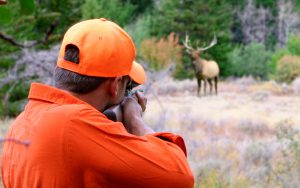
elk-hunter-istockA recent story in the Vancouver Sun raised an important question for animal lovers: Why does the Canadian Wildlife Federation (CWF) continue to obscure the fact that it is deeply rooted in the hunting and fishing community, and  is actually made up of twelve ‘affiliate’ organizations, most of which have a major focus on hunting and fishing? If you have any doubt, check out the website of one affiliate – the Alberta Fish and Game Association.

Or, have a look at this: Brad Leyte, CWF executive committee member and secretary, is a hunter, as a photo and story in Atlantic Outdoors Magazine (pg. 6) shows.

In its most recent Christmas fundraising mailing (coincidentally received by a VHS staff member) you’d be hard-pressed to find any evidence of this, as all the material in the package depicts beautiful photographs of wildlife and lots of talk about conservation, but nary a mention of hunting.

This is not to say that the organization and its affiliates have not contributed significantly to the conservation of wildlife. However, the public, and most especially donors, have a right to know the policies of the organization they are supporting. It should be clearly stated in their written materials and on their website that they support hunting and fishing – in their words, the ‘wise use’ of wildlife.

Why don’t you call them up and ask for their policy on hunting? You can reach them at: 1.800.563.9453. We’d love to hear what they tell you! Just email us at debra@vancouverhumanesociety.bc.ca