Categories
Cruelty-free News/Blog plant-based diet Promoted vegetarianism

Go cruelty-free this Thanksgiving

iStock_000048112116_Large

Pity the poor turkey. An inconceivable 20 million will be slaughtered in Canada in 2015, many of those destined to grace family Thanksgiving dinner tables.

Pity the turkey, the dairy cow, the chicken, the pig; in fact, pity all animals that are raised on factory farms to provide us with cheap meat and dairy products. They face horrific conditions on-farm.  Turkeys and chickens genetically bred to grow quickly suffer from constant hunger, painful lameness and searing pain from hot-blade de-beaking and de-toeing.  Dairy cows also endure painful lameness from lack of exercise, improper and dirty flooring, bad stall design and genetics – in fact, it’s estimated that 35 per cent of dairy cows in Canada are lame at any given time.  Transport and slaughter provide no relief from the cruelty, as already compromised animals are subjected to rough handling, crowded transport and questionable slaughter methods.

The legal system provides little protection for farmed animals.  The term ‘accepted management practices’  exempts  conditions such as extreme confinement, often for the entire life-span of the animal, and painful procedures such as those mentioned above. Conditions on most farms are not monitored by government, or any other independent, third party.

Even when animals are subjected to cruelty that goes beyond that accepted as “necessary”, the law provides very little in the way of redress, even when convictions are achieved.  In 2014, CBC’s Marketplace released graphic undercover footage obtained by Mercy for Animals Canada of a turkey breeder company in Ontario that supplies farms with up to 90 per cent of the turkey stock eaten in Canada.  Workers were seen attempting to kill turkeys with  broom handles and shovels, resulting in one bird being alive for more than five minutes after the bludgeoning began. Birds with open wounds and crippling injuries were left without adequate medical care.

The company and five of its employees were charged with eleven counts of animal cruelty. The company pled guilty to one count in exchange for the remaining ten being dropped. They were fined a mere $5,600.

Another case languishes in B.C. Undercover footage of Canada’s largest dairy farm in the Fraser Valley was released, again by Mercy for Animals Canada, in June, 2014. It exposed sickening abuse such as the repeated kicking and bludgeoning of dairy cows. In one case, a cow’s tail was viciously twisted until it broke.  In a complaint to police, Dr. James Reynolds, a professor of large animal medicine at Western University, called it “the most severe case(s) of animal abuse I have ever seen in 32 years as a bovine veterinarian.” Even though the BC SPCA recommended to Crown Counsel that charges be laid against the company, Chilliwack Cattle Sales, and the employees involved, more than 15 months later, no charges have been laid and the public is left to wonder why nothing has happened.

Codes of Practice exist for all farmed animals in Canada. These codes have serious deficiencies, as they don’t address most issues of public concern, such as gestation crates for sows and battery cages for hens, as well as many painful procedures. The codes are not enforced and not enshrined in law in most provinces (although the Government of B.C. recently announced that the Code of Practice for the Handling of Dairy Cattle is being incorporated into the provincial Prevention of Cruelty to Animals Act) – rather, they provide minimum expectations for producers to follow. Unfortunately, there’s no way for the public to be assured that even these minimum guidelines are being followed because there is no third-party, arm’s length audit process.  This means that on-farm cruelty must be addressed by complaints from the public – a near-impossible task since most farms are out of the way and are operated behind closed and locked barn doors.

Fortunately, the public’s concerns about the treatment of farmed animals are increasingly being heard by large companies such as McDonald’s, Wendy’s, Starbucks and others who are demanding accountability from their suppliers.  Perhaps at some time in the future we will see all farmed animals treated with respect, dignity and empathy.

But in the meantime, pity the poor turkey and take time to contemplate that the product of such a cruel system has become a symbol for a family holiday of thankfulness. Perhaps consider extending your compassion to all animals by replacing them on your table with one of the delicious meat-free and cruelty-free alternatives so readily available, such as Tofurkey, Gardein Holiday Roast, “stuffed turk’y” and “turk’s cutlet”.
Categories
News/Blog Promoted rodeo

Poll shows BC is turning against rodeo

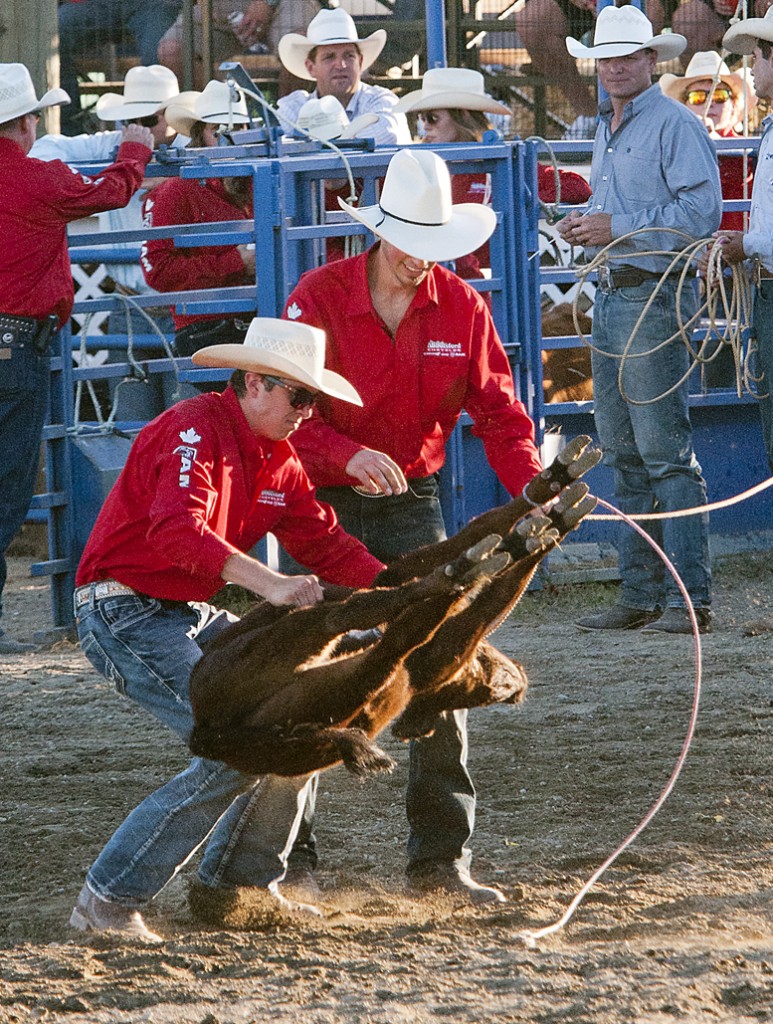
073115 - Abbotsford, BC Chung Chow photo 2015 Agrifair Rodeo in Abbotsford. Calf roping. Red shirts were responsible for releasing the tied down calves.

We’re changing hearts and minds in the battle against rodeo cruelty in B.C.

A new public opinion survey by polling company Insights West shows that 62% of British Columbians are opposed to using animals in rodeos.  That’s up six percentage points from a 2013 Insights West poll on the same issue which showed 56% opposed.

The new poll also found that only 32% of B.C. residents are in favour of using animals in rodeos, down from 38% in 2013. Clearly, public opinion is moving against rodeo.

In 2005, an Ipsos-Reid poll commissioned by VHS showed that a majority (61%) of people in B.C. supported rodeos and 32% were opposed.  The times they are a-changin’!

VHS has been campaigning against rodeo cruelty for many years, helping to end calf-roping, steer-wrestling and team-roping at the Cloverdale Rodeo, securing a ban on rodeos in the City of Vancouver and partnering with Victoria Citizens Against Rodeo Events to put an end to the Luxton Rodeo on Vancouver Island.

The new poll also showed that even in Alberta, home of the Calgary Stampede and the heartland of rodeo, only 55% of residents are in favour of using animals in rodeos. A strong minority, 39%, are opposed. Our campaign against animal cruelty at the Stampede is having an impact!

The poll also showed that large majorities in B.C. are opposed to hunting animals for sport (91%) and killing animals for their fur (81%).

VHS has worked hard to expose inhumane rodeo events in the media, gaining substantial coverage every year.  This year, the Vancouver Sun became the first newspaper in Canada to take an editorial position against rodeo, stating that:

“The Vancouver Humane Society for years has been leading the charge against rodeo events such as calf roping, steer wrestling and chuckwagon racing, based on a premise that these activities subject animals to fear, pain, stress and the risk of injury or death, for no greater purpose than the entertainment of spectators.”

We’re going to continue that charge and with your support we know we can win. As these polls show, people are waking up to the cruelty involved in rodeo and they want it to end.

073115 - Abbotsford, BC Chung Chow photo 2015 Agrifair Rodeo in Abbotsford. Bronco riding Bronco refused to get up until motivated by the cowboy behind the fence.


Categories
animal welfare Cruelty-free News/Blog Promoted

Tell Canadian Tire to stop using cruel glue traps


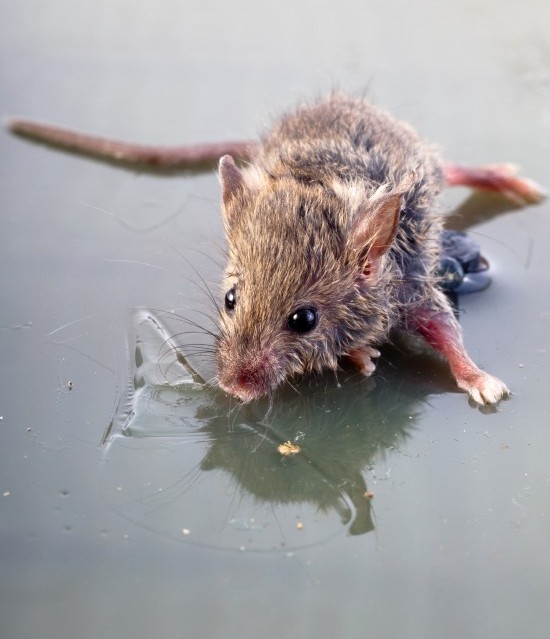
Mouse in glue trap

Please sign our petition

VHS recently contacted Canadian Tire to ask the company to stop selling glue traps for rodents. We explained that many of our supporters have emailed and called us to express their concerns about this product after seeing them on Canadian Tire store shelves.

Glue traps cause extreme animal suffering because they trap mice or rats in a sticky substance from which they can’t escape. The result is that they die a long, slow, horrifying death of starvation, dehydration and exhaustion. One distraught caller related listening to a mouse scream as he tried to escape the glue.

The reply we received from Canadian Tire states: “As the leading seller of indoor pest control products, customers expect to find a complete selection of pest control alternatives at our stores. To this end we offer a complete selection of pest control products for our customers to choose from.” In other words, cruel glue traps will continue to be included in Canadian Tire’s “selection of pest control products.” That’s just not good enough.

We’ve launched an online petition to give people an opportunity to ask Canadian Tire to stop selling glue traps. New Zealand and the state of Victoria in Australia have banned the sale and use of glue traps due to concerns about cruelty. They just aren’t necessary. The BC SPCA and the Canadian Federation of Humane Societies are also opposed to glue traps. 

The best way to deal with rodent infestations is to alter the habitat so it’s no longer attractive to them. This means carefully closing off every possible entry point (after you’ve safely removed the animals) so it’s inaccessible. A VHS staff member had to deal with mice in a small cottage. She waited until night when the mice were outside and used fine wire mesh to seal every hole in the crawl space and the entire house. She then installed an inexpensive sonic repeller on each level and hasn’t had mice inside since. These electronic devices are available in hardware stores everywhere.

Mice and rats are social, intelligent creatures and every bit as capable of experiencing pain as the dogs and cats we have in our homes. Excluding wildlife is the kindest way to live alongside them. But as an absolute last resort, a snap-trap is less inhumane than a glue trap or poison (which also causes an excruciatingly painful death). Snap-traps kill instantly. If you use them, you should always identify the species prior to undertaking any control. Mice and rats will require different sizes of trap to be effective, and identifying the species will help guide the appropriate trap to use.

Sign our petition here to let Canadian Tire know what you think.

Categories
animal welfare compassion Cruelty-free Food and Drink News/Blog plant-based diet Promoted Uncategorized vegan vegetarianism

Meatless Monday Goes To School

Capture

School is back and we at VHS couldn’t be more excited (sorry, kids)! You’ll recall we launched our Meatless Monday program this past spring, which even as the school year was winding down, was well-received by students in the Lower Mainland. Three post-secondary schools (Langara, BCIT and Trinity Western) joined the growing movement and multiple secondary schools expressed interest in bringing the initiative to their cafeterias this fall.

Over the summer we worked with the Vancouver School Board (VSB) to develop a flyer that served as a “how-to” guide for bringing Meatless Monday to school cafeterias. The flyer also draws attention to society’s over-consumption of meat, which has forced animals into factory farms, where their lives are characterized by intensive confinement, cruelty and suffering. Educating and empowering the public through an initiative like Meatless Monday is an important step toward reducing that suffering and creating a more humane society.

As the new school year kicked off, the VSB shared the flyer with every school administrator and teacher across the district! VHS commends this support for Meatless Monday by the VSB, as it provides individual schools the tools and confidence in implementing their own Meatless Monday initiative to better the treatment of animals, the well-being of the planet and of course, the health of the students.

We look forward to helping more students take action to reduce animal suffering by bringing Meatless Monday to more classrooms and cafeterias this year! If you’re interested in implementing Meatless Monday at your school, workplace or in your community, contact Emily Pickett. Don’t forget to take the Meatless Monday pledge and receive a weekly recipe/tip to help you start your week off right!

mlm

Categories
animal welfare News/Blog Promoted Uncategorized zoo

‘Vancouver Aquarium Uncovered’ Documentary


Vancouver-Aquarium-Uncovered

Local filmmaker Gary Charbonneau delivers a controversial documentary on the Vancouver Aquarium’s rescue and captivity program. There will be a screening of the film, “Vancouver Aquarium Uncovered” on Sunday, Sept.13th, 7:30pm at the Vancouver Public library.

VHS opposes the keeping of wild animals for public display, as it deprives them of the ability to freely engage in instinctual behaviours in their natural environment. Even when bred in captivity, exotic animals retain the behavioural and biological needs that they would have in the wild. They cannot be considered domesticated and they can suffer if they are confined in unnatural environments. Here’s our Q&A with Gary:

VHS: Was there a defining moment or a catalyst that inspired you to get involved in the issue of cetaceans in captivity?

Gary: While attending a public hearing on cetacean captivity I became suspicious and concerned with the remarks and comments being made by the Vancouver Aquarium and their associates.

VHS: What do you want to be the biggest take away for those who see the film?

Gary: A better understanding of conservation, rescue and rehabilitation and a demand for greater transparency. A conservation centre such as the Vancouver Aquarium cannot have a higher infant death rate than in the wild nor should they have a breeding program that, in my opinion, has not aided wild cetaceans in their 50 year existence. This is completely contrary to conservation itself. As a city we need to define what this term stands for and further our understanding of the programs at the aquarium.

VHS: What has the response been like to the film, following its first screening?

Gary: Incredible. People learned a great deal on this issue. Their eyes were opened to the complicit association, fund allocation, misinformation and most importantly the true facts of the rescue and breeding programs. As one person said to me “Is this what I’ve been supporting all these years?”

VHS: What do you think has spurred the change in public sentiment over the captivity of whales and dolphins?

Gary: The film Blackfish really exposed the lengths aquariums go to in deceiving the public for profit. In my research I’ve also realized the connections that go far beyond the inner circle of North American aquariums. I have professors, researchers and biologists still contacting me today providing facts, data and personal experience on this lucrative captive business. Even more disheartening is most have asked me not to mention their names because they fear the power this industry has. I’ve also noticed this with news media as well. I’ll ask everyone right now, has anyone heard anything of this film on TV, radio or newspaper? The answer is no because they won’t touch this. Thus far all have turned down mentioning my film. One reporter told me I’m going to have a hard time because they’re interconnected to the aquarium whether through business or advertising. It’s quite sad actually because it’s the whales and dolphins who are suffering.

VHS: What do you suggest the public can do to help with this issue?

Gary: The public doesn’t realize they are the answer. Around the world these aquatic circuses are not only ending, they’re being banned. This is due to public pressure. Vancouverites need to have their voices heard and force the aquarium to update its model.

VHS: Theres been talk recently that Vancouver might be the ideal site for the worlds first sea sanctuary – a place for captive cetaceans to go if released from marine parks but unable to survive in the wild. What are your thoughts on that idea?

Gary: Sea sanctuaries are the future for rehabilitation and release. They will also provide increased space, depth and a more natural environment for those cetaceans who cannot survive in the wild. There are people who oppose the idea of sea pens or ocean sanctuaries but let’s not forget, there was a time when there were no elephant, primate or big cat sanctuaries and look at their success today. Furthermore, all of these were also thought to be impossible, with strong opposition.

VHS: In your research for the film, what did you find most disturbing about the captivity issue? What did you find most inspiring?

Gary: The infant death rate! Absolutely unbelievable, this literally stunned me and everyone who’s seen the film. It is completely unconscionable for the Vancouver Aquarium to call itself a conservation centre when its infant death rate is astronomically higher than in the wild, this makes no sense.

The most inspiring is the proof that aquariums who have moved away from captivity are doing better financially, provide higher levels of education through technology and interactivity and have demonstrated true conservation efforts. Aquariums such as Monterey Bay in California, Ripley’s Aquarium in Toronto, Shaw Ocean Discovery Centre in B.C. are a few examples.

VHS: What was the most challenging part of making the documentary?

Gary: Containing my emotions. During the repetitive process of editing you are continually reminded of the deaths, short lifespans and the psychological stress on these poor creatures. It is exceptionally difficult to stay focused.

VHS: Did you have a strong opinion on the issue of captivity prior to doing research for this film? Has making the film changed your opinion on other animal protection issues?

Gary: I’m not a proponent of animals performing tricks even for rescue or rehabilitation because duplicitous organizations will use conservation as a guise for exploitation. However, I was open to learn whether the Vancouver Aquarium was genuinely learning about and aiding whales and dolphins.

Completing this film has unquestionably affirmed that genuine rescue and rehabilitation shouldn’t require animals to perform. Any institution or non-profit organization who states it’s necessary to sell tickets in order to protect or preserve a species is either mismanaged or deceitful.

VHS: How can people see the documentary? 

Gary: A screening is being held on Sept 13th at the Vancouver Public Library. Sometime after this date the film will be released online at www.vancouveraquariumuncovered.com. I feel it’s important to note, this is a non-profit film and will be released for free. I want everyone to learn the truth and help the aquarium improve and move into a superior direction.

VHS: What specific actions would you like to see the Vancouver Aquarium take moving forward, in regards to whales and dolphins in captivity?

Gary: The goal of my film is to enhance the Vancouver Aquarium and make it the most advanced and educational marine centre in the world. The aquarium is about to spend millions of dollars expanding their tanks when that money should be used towards technology, innovation and expanding their much needed Marine Mammal Rescue Centre.

For more info:

www.vancouveraquariumuncovered.com

www.facebook.com/VancouverAquariumUncovered

Categories
Cruelty-free Food and Drink News/Blog plant-based diet Promoted Uncategorized vegan vegetarianism

Buddha-Full Fresh Juice & Smoothies: Building a cruelty-free community on the North Shore

buddhafull
Geremie Voigt and Kyla Rawlyns of Buddha-Full Fresh Juice & Smoothies. photo: Stephen Hui, the Georgia Straight

Buddha-Full Fresh Juice & Smoothies represents an ethical, 100% animal friendly, community-based environment. Geremie Voigt and Kyla Rawlyns opened the café in North Vancouver five years ago. Buddha-Full proudly serves organic fresh juices & smoothies, raw organic cuisine, organic gluten-free baked goods, a full local retail section, and locally roasted coffee from Moja.

VHS supports the growth of cruelty-free businesses and we were interested to find out more about Buddha-Full. Here’s our Q&A with Geremie and Kyla.

VHS: What inspired you to open Buddha-Full Fresh Juice & Smoothies?

G&K: We both have been vegan for many years and have always been inspired by educating our community, family and friends on veganism and a conscious living dynamic.

VHS: How have you found the reaction from the community?

G&K: Our community tells us Buddha-Full is a staple in the lower Lonsdale area.  People tell us every day it is like going to their church!

VHS: What do you enjoy most about running Buddha-Full?

G&K: Standing by our initial mission of educating our community and holding a space where people can come and feel welcome. It’s important to us that our customers feel comfortable and know they are taken care of.

VHS: What do you find is the hardest part?

G&K: Challenges will always come up. The hardest part is having some customers coming in and asking for dairy products or meat products and educating them on why we choose to maintain our animal friendly selection.

VHS: How do you stay positive in a world where animal-based products are still so predominant?

G&K: Considering that veganism has doubled since 2009 in the U.S., we know things are changing and we are making a difference in the world.  We are proud to be standing by our ethics.

VHS: What is your most popular menu item?

G&K: The Lobo Smoothie (hemp protein, dates, peanut butter, banana and almond milk), it’s a Buddha-Full staple.  Also, the Pesto Vegan Sausage wrap is one of our absolute favourite items and we make it all in house!

VHS: Who are your customers? Is there a predominant demographic?

G&K: Upwards of 60% of our customers are female. The majority of our customers are not vegan, however they are interested and curious about veganism and feel welcomed in our space!

VHS: What do you think is the best way to encourage consumers to make more ethical choices? 

G&K: Leading by example is a great way to encourage ethical choices by others.  Be the change you want to see in the world!

VHS: Do you think veganism is becoming more mainstream?

G&K: We think the world is becoming increasingly educated about and involved with animal liberation.  Everyone we meet seems to have one at least one person in their family who is vegetarian, if not vegan.  Half of Kyla’s family is now vegetarian – Now that’s progress!

VHS: What are some of the lessons you’ve learned about running a vegan business?

G&K: Having a space where everyone feels welcome is crucial. People want some sort of familiarity and seem to frequent spaces that provide that on a consistent basis.

bfull collage


Buddha-Full is located at 106 West 1st Street – Suite 101, North Vancouver.

Tel: (604) 973-0231

Email: bfulljuice@gmail.com

Categories
compassion News/Blog Promoted

Furry foes find friendship

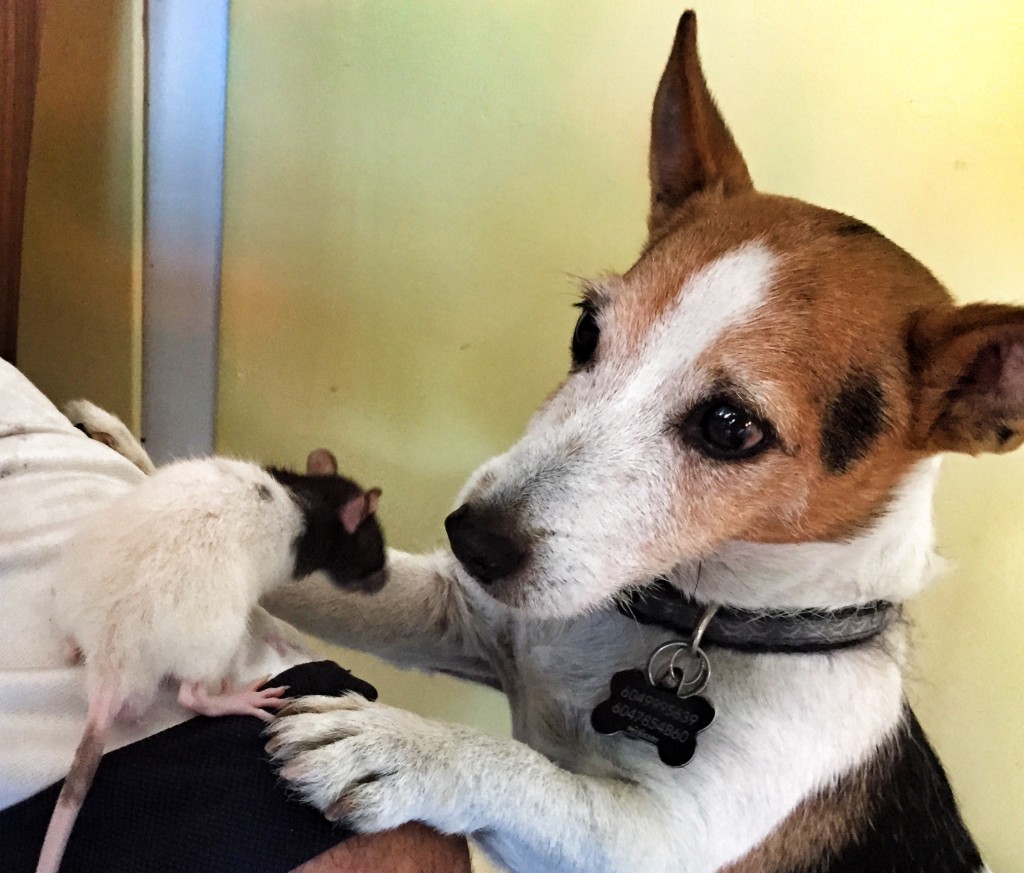
Rat on dog 2

Jack Russells don’t usually have rats for buddies. The terriers have been used to hunt rats since the 19th century and are known to be ferociously efficient at their job.  But, as these photos from an animal-loving VHS fan show, sometimes friendship can overcome generations of breeding and a tough reputation.

Pictured above is Chibi giving a ride to his new friend Fizbo, an adorable pet rat. Below Chibi and Fizbo get up close and personal.

Jack Russell & rat

Categories
animal welfare News/Blog Promoted rodeo

Calgary Stampede under fire for purchasing favourable “journalism”

Screenshot Canadaland

Canadaland reports that in 2011, the Calgary Stampede commissioned a piece to run in prestigious magazine Canadian Geographic. Journalist Curtis Gillespie thoroughly investigated, and ultimately wrote a piece entitled “Rodeo under scrutiny: The debate over animal care at the Calgary Stampede.”


Among other things, the balanced piece explained that horses were bred specifically to buck; horses who didn’t buck wildly enough were slaughtered. Gillespie’s editor called the piece “brilliant” and a “magnum opus.”


However, the publisher decided to pull the story at the last minute and instead ran a piece by someone who had previously published a book called “Celebrating the Calgary Exhibition and Stampede.”


Canadian Geographic ran the Stampede-friendly piece, “Rodeo renewal: How animal-care practices are changing perceptions of the century-old Stampede.” It was not identified as sponsored content.


In spite of its unethical advertising practices disguised as journalism, the Stampede’s attempts to create the illusion that rodeo is positive are failing. Public opinion across Canada is turning firmly against this barbaric spectacle of violence against animals.

Fortunately, the truth about the Stampede sending horses to slaughter did come out in 2012.

Please visit our rodeo campaign page to learn more about this issue and what you can do to help.

Categories
News/Blog Promoted rodeo

The ad they didn’t want you to see

VHS Abbotsford News Ad - June 2015-page-0

Last Friday, the Vancouver Sun ran a story about the refusal of the Abbotsford News to run our anti-rodeo ad, pictured above. The ad shows a photo of the steer-wrestling event at the 2008 Abbotsford Agrifair rodeo.

As the Sun’s story notes, VHS’s lawyers checked the ad.  There is no legal or ethical reason not to run it.  The ad is just expressing an opinion on a matter of public concern, something that is considered central to our democracy and to freedom of speech.

We are disappointed that the Abbotsford News would not let its readers see our point of view.  Newspapers are supposed to be champions of free speech and forums for debate and different opinions.  We understand that the Abbotsford News is a “rodeo partner” – as indicated on the Agrifair website – but that shouldn’t mean that advertising is refused just because it expresses a different viewpoint.

We know that many Canadians, including Abbotsford residents, are concerned about inhumane rodeo events.  If you are one of them, please sign our e-campaign to ask the Abbotsford Agrifair and its sponsors to stop supporting rodeo cruelty. It’s one way compassionate people can be heard, even if some newspapers would prefer they were kept silent.


Categories
animal welfare cruelty News/Blog Promoted rodeo Uncategorized

Is the tide turning against rodeo in Canada?

the chucks

Photo: Jo-Anne McArthur

.


There are encouraging signs that attitudes toward rodeo and chuckwagon races in Canada may be changing, if independent opinion in mainstream media is anything to go by.

A recent editorial in the Vancouver Sun said that it was “hard to argue” with the description of the Calgary Stampede as “a spectacle of animal abuse.”

In the same week, a column in the Ottawa Citizen described the Calgary Stampede chuckwagon race as a “brutal mix of human domination over an animal running at breakneck speed in confined quarters” and asked: “Would we miss it if it disappeared?”

Calf roper at 2006 Russian River Rodeo, Duncans Mills, California

Another column in the Calgary Herald, authored by a member of the Herald’s editorial board stated: “…the bottom line is these animals are still being used for sheer entertainment in events that can cause them traumatic injuries and death — and it is unnecessary for them to be subjected to this. Are we humans so hard up for entertainment that we must amuse ourselves by watching events that can cause animals to suffer and die?”

Elsewhere on the prairies, an editorial in the Moose Jaw Times-Herald criticized the Calgary Stampede, stating: “Shutting down the rodeo portion of the Stampede deserves serious consideration.”

Meanwhile, the BBC drew international attention to the deaths of chuckwagon horses at the Stampede with a lengthy analysis titled “Why horses die on the half-mile of hell”.

Update: Yet another opinion piece (in Metro News Canada) critical of the chuckwagon race has been published.

Update: An article in the Ottawa Citizen describes watching the CBC coverage of the Calgary Stampede, stating:”…it was impossible not to feel empathy for the poor animals, so clearly unwilling participants in this painful and terrifying circus. In the name of tradition, the CBC broadcast an ugly and cruel spectacle, one that felt like it took place in a dark, shameful past that the public no longer wanted to acknowledge, or had an appetite for.”

Aside from media comment, it should be remembered that virtually all mainstream animal welfare agencies oppose rodeo.

A 2013 public opinion poll showed that the majority of B.C. residents are opposed to rodeo.  Maybe that sentiment is beginning to spread across the country. Let’s hope so.