Categories
News/Blog Pet adoption Promoted

The dilemmas of modern vet care

Bailey1 (10)

In a recent article in the Globe and Mail, columnist Margaret Wente described the emotional ordeal she faced when her cat became ill, requiring prolonged and extensive medical care and, ultimately, euthanization.

Wente also recounted the high cost of veterinary care, which millions of pet guardians face when their companions become ill.  For her, money was not a critical issue, but for most Canadians – especially those on low or fixed incomes – it is.

As Wente points out, in the past veterinary care was limited in scope and complex cases usually resulted in euthanization.  But now, with scientific advances, there are many more life-saving treatment options – but they come with a high cost.  Coinciding with this development has been a rise in the status of companion animals.  They are now considered part of the family.

These are positive changes for companion animals but they also present difficult emotional and financial dilemmas for many people. What do you do when the vet tells you that your cat’s life can be saved but the bill may run into the thousands of dollars? Here at VHS, we are all too familiar with such dilemmas. Almost daily, we receive calls for help from people facing unexpected and often high bills for veterinary care.  Our ability to help is limited, as our McVitie Fund for sick and injured animals becomes quickly depleted from high demand. (We’re thankful for the support received for this fund from those that can afford it and who are willing to help animals they will never know.)

There are no easy answers when it comes to weighing the health and well-being of animals against the potentially astronomical costs of vet care.  Some have argued that perhaps only those who can afford high vet bills should take on the responsibility of pet guardianship.  Yet we know of many low-income people who make remarkable efforts and sacrifices to ensure the health and well-being of their animals.  Some of these people are elderly or disabled and their cat or dog means everything to them. Should wealth be the determinant of who gets to enjoy the profound benefits of animal companionship?  Most people would find such a restriction unfair and unworkable.

Nevertheless, VHS urges anyone considering adopting (please don’t buy!) an animal to remember that it is a considerable financial responsibility.  One option is to buy pet insurance, although it is not cheap.  Another option is to put aside a few dollars each month into an account kept specifically for vet bills – that way funds will be available for emergency vet care or an especially high bill.

VHS and other animal groups that help with emergency vet care will always do what we can but, ultimately, anyone giving a home to an animal must take personal responsibility for that animal.  Remember, their lives are in your hands.


Categories
animal welfare compassion News/Blog Promoted Uncategorized

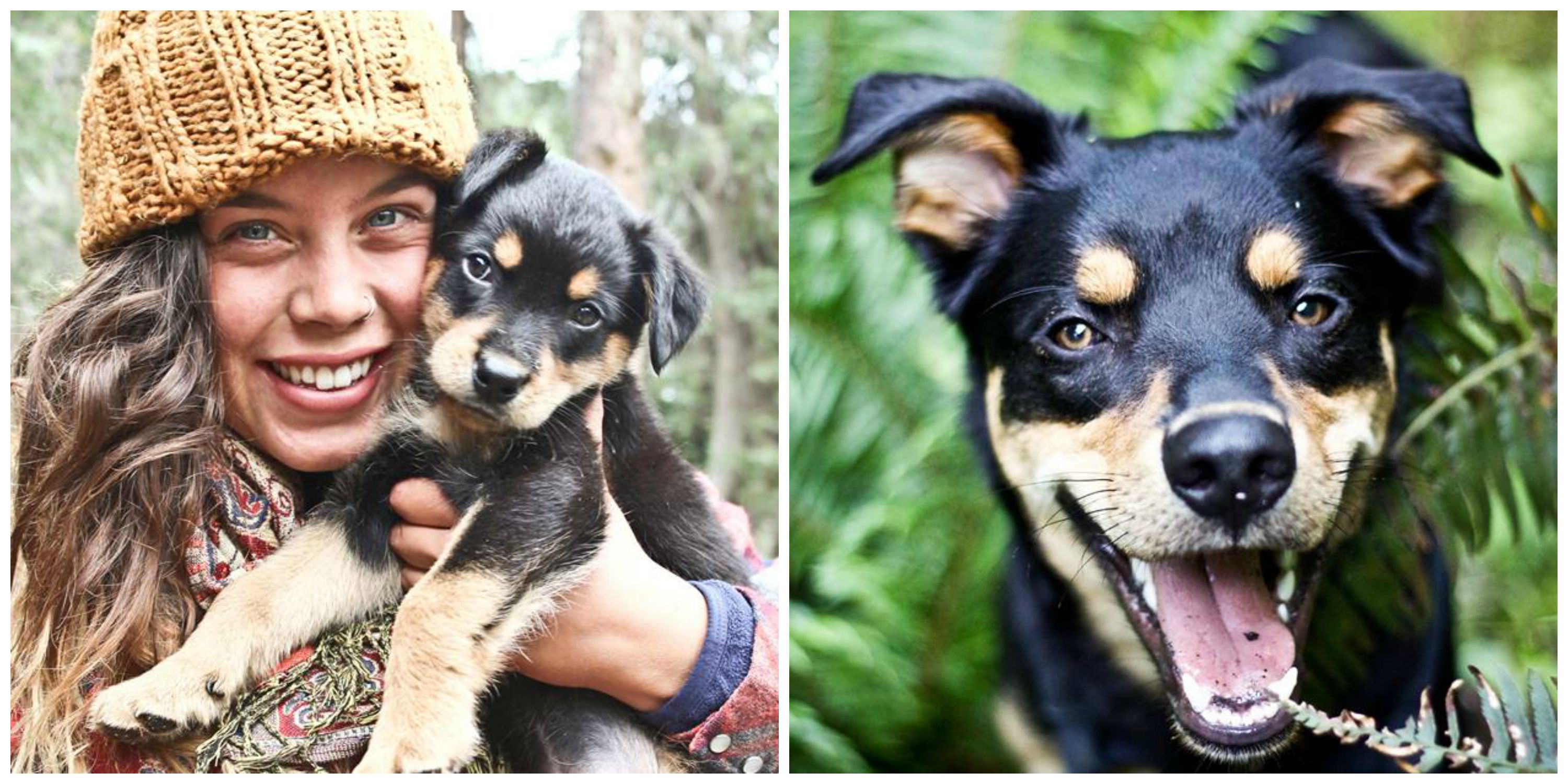
Iskut from Iskut, helped through McVitie Fund For Animals

iskut from iskut

Guest post by Desiree; activist, animal lover & McVitie fund for animals recipient

This captivating dog was found wandering the streets of a small northern community, Iskut, B.C., all on his lonesome at the age of one month. It was pretty much love at first sight when the two of us locked eyes; him, in search of a mother and I in search of a companion with the most unconditional of love. He literally walked into my life and I’m sure you can understand by looking at his picture, why I couldn’t say no to this face that was longing to be rescued.

I was so grateful to have received support from the Vancouver Humane Society, through their McVitie fund for animals, upon returning home with him from volunteering. They helped me with his vaccinations, tattoo and a neuter – everything he needed to start this new chapter of his life off right.

.
iskutI spent last summer biking 2000 km to this area, Tl’abane, more commonly referred to now as the Sacred Headwaters – the birthplace of the Skeena, Stikine and Nass rivers, some of the most vital salmon bearing rivers in all of so-called North America. It is home to the unceded, unsurrendered Tahltan First Nation who have lived in harmony with the land and water for thousands of years.

Iskut and I began our adventure together exploring the mountains, lakes and rivers in Tl’abane. To this day gallivanting in the great outdoors is our favourite activity. I watch as he leaps and bounds through the forest, down snowy mountainsides, through the shallows of creeks and rivers; I think he has mistaken himself for a deer or rabbit. Nevertheless, his playfulness, quirkiness and endurance are prominent signs of a healthy and happy pup, which was made all the more possible by the McVitie fund. He has touched a lot of lives and every time someone asks about him I get to tell a story that should be shared far and wide. Thank you again to the Vancouver Humane Society for helping me help this special pup!

VHS’s McVitie fund for animals provides low-income guardians of companion animals with spay/neuter assistance, as well as help with unexpected, emergency vet bills. Please consider supporting the McVitie fund. Increase your impact by donating today – all donations will be matched by a generous VHS donor!

iskut3

Categories
animal welfare Dairy News/Blog Promoted

Still no charges in dairy cruelty case

It has now been one year since the BC SPCA recommended criminal animal cruelty charges against eight employees at Chilliwack Cattle Sales, Canada’s largest dairy producer, and many months since provincial animal cruelty charges were recommended against the company itself. Yet, Crown prosecutors have still yet to come to a decision about laying charges.

For its part, the BC SPCA responded quickly, conducting a raid on the facility and recommending animal cruelty charges within days of receiving video and written evidence covertly obtained by an employee over the course of four weeks last spring.

The delay is unusual and concerning. Prosecutors have been presented with incontrovertible evidence of animals being routinely whipped, kicked, and punched in their faces, bodies, and testicles. Still more animals were documented on video suffering from untreated gruesome injuries and infections.

Internationally respected bovine expert and veterinarian Dr. James Reynolds commented that the video depicted “the most severe cases of animal abuse I have ever seen in 32 years.”

Worse, the company itself appears to have been complicit in the abuse and neglect, despite attempting to distance itself from the employees during the public outcry that followed the footage’s release. The whistleblower stated that he repeatedly brought his concerns to management, which failed to act; several more fired employees came forward to say that they were unfairly taking the fall for a company that created and condoned the apparent widespread culture of cruelty.

Yet, Chilliwack Cattle Sales continues to operate with impunity, milking a staggering 3500 cows three times each day.

It did not take long for the BC Milk Marketing Board to act. By last September, the regulator had made the standards in the national dairy code of practice mandatory, effective virtually immediately. Such actions by provincial regulators are all the more important in Canada’s supply-managed dairy industry, where milk is pooled and dairy processors cannot set animal welfare standards for their suppliers—a tactic commonly used in other countries.

This case presented a unique opportunity for prosecutors to take farmed animal cruelty as seriously as it ought to be. We killed 740 million animals for food in 2014, making farmed animals by far the largest population of animals under human care (by contrast, there are about 15 million pets in Canada). However, these pigs, chickens, turkeys, and cows are kept largely in windowless sheds on private property, entirely shielded from the scrutiny of law enforcement, which is unable to inspect farms without first receiving a complaint from the public.

Unsurprisingly, on the rare occasion that complaints about farmed animal cruelty are received, they come from neighbours concerned about neglect on small operations, where animals may be visible. Employees at factory farms are unlikely to report abuse when their livelihood is at stake, or when they may be reporting on their friends—or themselves.

In the case of Chilliwack Cattle Sales, however, not only was an employee able to obtain evidence of illegal animal cruelty, he was able to actually document malicious abuses while they were being committed, rather than simply after-the-fact conditions of neglect.

Although animal cruelty laws in this country are regularly criticized for being weak, the reality is that provincial and federal law are clear that animal abuse and neglect are illegal. National codes of practice, created with government funding, set standards of care that arguably form a part of the law.

However, these laws are meaningless without adequate enforcement. Barriers to enforcement admittedly do exist—farmed animals are out of sight, law enforcement only acts in response to public complaints, and cruelty laws are mostly enforced by private bodies that are underfunded (the BC SPCA, for example, receives no government funding and must fundraise for all of its operating expenses, from sheltering animals to investigating cruelty).

But when a robust file of evidence virtually falls into prosecutors’ laps along with charge recommendations from law enforcement, farmed animals at last have an opportunity for swift justice.

Let’s hope the concerning one-year delay ultimately results in meaningful prosecutorial action against Chilliwack Cattle Sales. Anything less sends the message that illegal animal cruelty is a permitted ingredient in Canada’s food supply.

Categories
News/Blog Promoted rodeo

A helpful tip for CBC Sports

baseball iStock_000016962575_smalltextcalf roping040522Rodeo082cropresize

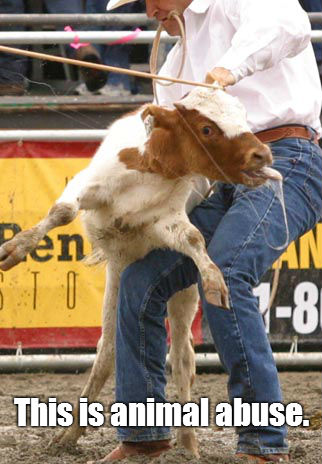
Rodeo animals are exposed to fear, pain and stress to make them perform.

That’s not sport.  That’s violence toward animals.

Please sign our petition asking CBC Sports to stop broadcasting rodeo cruelty at the Calgary Stampede.

Categories
News/Blog Promoted rodeo

Tormenting animals is always outrageous

The harassment of a moose has rightly provoked shock and anger but rodeo animals face routine abuse and it’s considered entertainment.


text2 mooseVideo of several men tormenting a moose in northern B.C. has gone viral and caused outrage around the world. Conservation officers have launched an investigation and the perpetrators could face heavy fines if caught and charged.


.

.


.


textdead-steer1-040523Rodeo0461Meanwhile, rodeos routinely torment animals and hand out prize money to reward the abuse. Just because an animal is “livestock” doesn’t mean it can’t feel the same fear and stress that other animals do.  Cruelty is cruelty.

.


Please sign our petition asking CBC Sports to stop broadcasting animal cruelty at the Calgary Stampede.


Categories
animal welfare fundraising News/Blog Promoted

When a call to VHS is a needy animal’s last hope


tucker collage

“My cat accidentally slipped out the front door and was hit by a car. I’m on disability right now and don’t have enough money to cover the entire vet bill. Please, is there any way you can help me?”

This is the kind of desperate call the Vancouver Humane Society gets several times a week. As VHS’s Program Coordinator & Office Manager, I’m typically the staff member handling the calls when distraught individuals contact us in need of help because their dog, cat or other companion animal is in dire need of emergency vet care. These are low-income folks – often they are on disability, or were recently laid off and are struggling to make ends meet while searching for work, or they are pensioners on a limited income. Whatever their circumstances may be, they all have the same thing in common – they are loving and committed caregivers who simply need a bit of help during a tough time.

Unfortunately, there are always more needy animals than there are available funds and very few programs similar to VHS’s “McVitie Fund For Animals” exist. Often, those without enough funds to cover the vet bill are forced to choose between giving up their beloved companion or euthanasia. This is why the McVitie fund exists – to offer an alternative and keep already cherished animals in their forever home, instead of being surrendered to shelters or unnecessarily euthanized.

Being able to say “yes, we can help” when I receive those desperate calls and hearing the relief in the caller’s voice reminds me of the importance of such a program. Because no one should have to go without their own pain medication in order to make sure their companion animal gets the care they need, or be disadvantaged in receiving help because of a disability, or be unfairly judged due to an unexpected financial hardship when in reality they may have been the only hope for an abandoned animal in need.

I believe in the McVitie Fund For Animals whole-heartedly. I believe in the much needed service it provides and in what it represents in a society where we need to do more to help each other. I believe in the important work VHS does to help animals, so much so that as team captain for VHS in the Scotiabank Half-Marathon/5k. On June 28th, we’ll be running for the animals in what is VHS’s most important fundraiser of the year.

All of our team members have unique and personal reasons for joining this run. Mine is the McVitie Fund For Animals. So please, consider and help our team achieve our goal. Your support causes a ripple effect of happiness – for me, answering the phone at VHS, because I can say “Yes!” to the caller; then for the distraught caregiver on the other end of the line; third to the needy animal; and lastly, to the veterinarian we use who has offered his or her services to our clients at such a reduced rate.

Categories
News/Blog Promoted rodeo

Is CBC being honest about calf-roping?

B&W Stampede calf roping
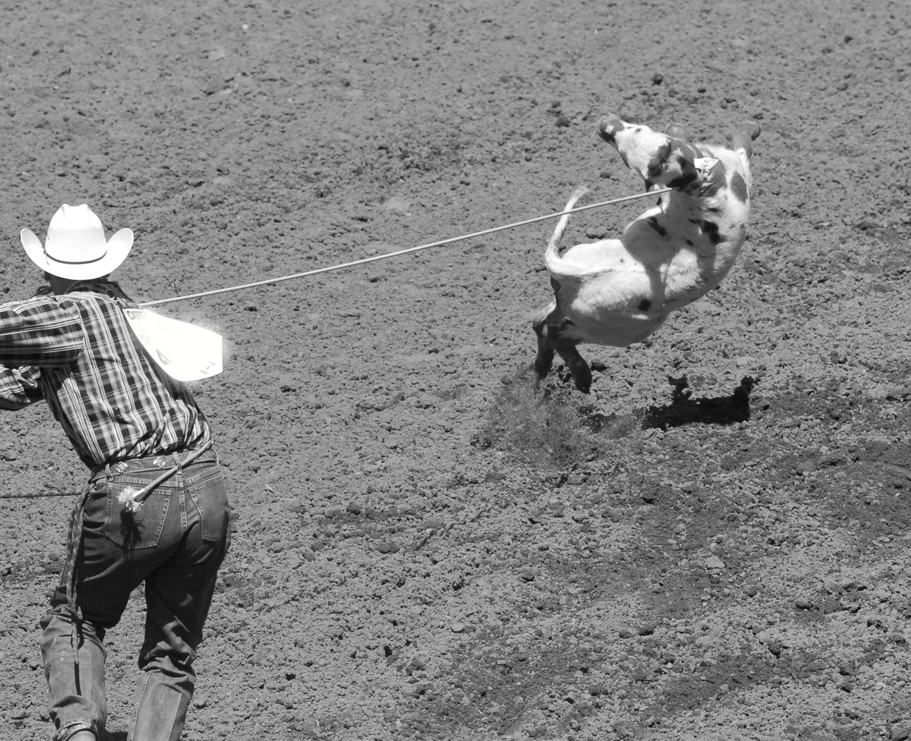
Calf-roping at the Calgary Stampede. Is this what CBC Sports is afraid viewers might see?         Photo: Jo-Anne McArthur

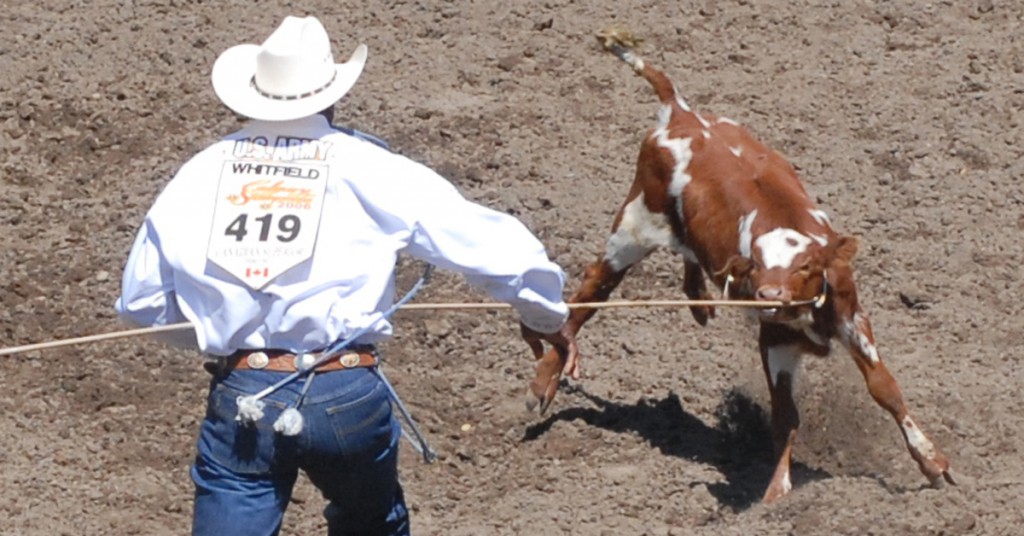
Anyone who watches CBC Sports coverage of calf-roping at the Calgary Stampede will notice that the moment the rope is tightening around the calf’s neck the camera will pan back to the rider and horse.  It has long been suspected that this is to avoid showing the calf being brutally jerked to a sudden halt, which might upset viewers.

This issue came up in a VHS interview with CBC Radio’s As it Happens program, which asked the head of CBC Sports if it was true that the camera deliberately panned away from the calf the moment it hit the end of the rope.  His answer was that CBC Sports: “will follow an event from start to finish and make quick in-the-moment decisions as necessary, as we do with all live sports coverage.”

Watch this CBC coverage of calf-roping (which in public relations double-speak they call tie-down roping) and you will note that the camera pans away every time.  Another example here.

If what happens to rodeo calves has to be hidden from the wider public, doesn’t that show how wrong and unacceptable their treatment is?

Please sign our petition against CBC Sports coverage of rodeo cruelty at the Calgary Stampede.

Please share this post.


Categories
News/Blog Promoted Scotiabank

Hates running but loves animals


Debra Probert loves animals
VHS executive director Debra Probert, with Nat.

There are two things in this world that I dislike more than any other. Getting up early in the morning, and running.

Somehow I’ve remained suspended in that teenage phase that most people grow out of – being ready and willing to sleep until noon. And as far as exercise, well, I’ve never much liked it. I’m the more introspective, quiet type and have always preferred sitting down with a good book to running a few miles and getting all sweaty and breathless. Not to mention, ruining my hair.

So why, you may ask, am I getting up at 6:00 AM on Sunday, June 28th, 2015 to travel all the way from my home in Surrey to Stanley Park and run (mostly walk!) in the Scotiabank Charity Challenge?

Because I love animals and I can’t bear to see them suffer. I’ll be participating in the event to raise money for and awareness about the most effective animal protection organization I know – the Vancouver Humane Society. (Okay, I’m biased.)

Although awareness of animal issues has never been higher, especially in developed countries, it’s also the case that more animals are subjected to more abuse at the hands of humans today than ever before. Why? Since 1960 most animals reared for food in North America have been raised on cruel factory farms. As the number of animals raised increased, the price for meat, dairy and eggs declined and these products became available to more people than ever before. Consumption of animal products became a symbol of status and wealth and was no longer an occasional luxury. At the same time, animal products were touted as being ideal protein.

Even worse, we have exported factory farming to other, less developed countries, replacing more traditional ways of raising and consuming animals. Demand for animal products goes up as the standard of living rises.  It’s estimated that globally 40 percent of meat was produced on factory farms in 2005.

Don’t get me wrong. I don’t condone any raising and slaughtering animals for food.  As far as I’m concerned, ‘humane meat’ is an oxymoron – it just isn’t in an animal’s best interest to have its throat slit so humans can unnecessarily consume its flesh. But I also realize that I can’t talk everyone into becoming vegetarian or vegan tomorrow.

However, there are lots of things everyone can do to mitigate the suffering of animals raised for food. One quick and easy way is to join the global initiative called ‘Meatless Monday’ (MLM). VHS has started a project to help post-secondary and secondary schools feature MLM in their cafeterias. So far, we have three post-secondary and two high schools committed for fall, 2015. And you can join by signing VHS’s Meatless Monday pledge.  Once you’re signed up, you’ll receive a delicious meatless recipe every week!

There’s another way you can help animals:Sponsor me or another member of the VHS Team. Scotiabank covers all the administration costs, so your entire donation goes towards fighting animal abuse. We are their voice! Please help us help animals today!

Thank you for everything you do for animals!!

Debra Probert


Categories
Cruelty-free News/Blog plant-based diet Promoted

The five best places to get vegan ice cream in Vancouver

Warm weather is here, and with it an excuse to indulge in a scoop or three of ice cream. Although supermarket freezers are exploding with delicious vegan ice cream choices (Luna & Larry’s salted caramel & chocolate is a personal favourite), sometimes we all want to let someone else do the scooping while we enjoy a new flavour with friends.

Fortunately, there’s no shortage of mouthwatering, cow-approved vegan ice cream options in Vancouver. Here are five of our favourites:

1. Chau Veggie Express, 5052 Victoria Drive

chauveggieexpress

Caramelized Banana and Chocolate Chunk Cookie Dough; Image Chau Veggie Express

Chau Veggie Express offers a wide variety of ice creams by the scoop and pint, all of which are vegan. Current flavours include: coconut vanilla bean, Vietnamese coffee chocolate, Thai iced tea, chocolate hazelnut praline, caramelized bananas and cookie dough, coconut vanilla bean and lemongrass, and coconut pandan leaf and kale.

Andrew, Chau’s pastry chef and the genius behind Chau’s innovate vegan ice cream offerings, says: “I developed the recipes based on my favourite childhood memories. The ice creams are salted. The ice cream base is seasoned to reflect a very traditional Vietnamese style preparation of coconut cream used in Vietnamese desserts as well as savoury dishes, and I love it. It gives the ice cream another dimension and depth of flavour, and this is the way I grew up eating desserts at

Vietnamese shops and cafes.”

.

2. Earnest Ice Cream, Multiple Locations

earnesticecream

Mint Chip; Image Earnest Ice Cream

Earnest Ice Cream serves up rotating, seasonal flavours alongside classics. Scoops and pints are available in their two shops, while their pints can be found at distributors all over the city.

Earnest Ice Cream says, “We change our vegan flavours weekly. We try to have two offerings, but depending on popularity sometimes one sells rather quickly.” Past vegan offerings have included coconut-lime sorbet, café au lait, chocolate, cookies + cream, lemon, maple walnut, and mint chip. Check out their website for what’s currently available in their scoop shops!

.

3. Rain or Shine, 1926 West 4th; 3382 Cambie

rainorshine

Coconut Chocolate Chunk; Image Rain or Shine

Rain or Shine has on its regular menu a vegan sundae: the Yumaste! It’s made with coconut chocolate chunk ice cream, seasonal berry compote, chocolate sauce and candied hazelnuts. All of their sundae toppings are made in house; other vegan offerings include fig balsamic reduction and eureka lemon olive oil.

While the coconut chocolate chunk ice cream, made with organic coconut milk, is always available, Rain or Shine also rotates through seasonal offerings. Josie from Rain or Shine says, “Currently we have an organic cucumber lime sorbet but we will be making a mint strawberry sorbet soon. We may also do a grapefruit IPA sorbet for craft beer week.”

.

4. Bella Gelateria, Yaletown and Coal Harbour

bellagelateria

Orange & Vanilla Creamsicle and Chocolate Sorbetto; Image VHS

While sorbet is typically vegan and can be found at gelato joints all over town, Bella Gelateria is worth a special visit. In 2014, its proprietor won “International Gelato Master of the Year.” What does this mean? We have no idea, but Bella Gelateria’s array of sorbettos—ranging from the familiar to the exotic—are smooth, creamy, and flavourful.

On a recent visit, their Yaletown location featured eight non-dairy sorbetto flavours: cantaloupe, chocolate, creamsicle (orange & vanilla), faloodeh (rose water & rice noodles), lemon & basil, mango mango mango, rambutan, and yuzu citrus (Japan).

.

5. What’s Shaken Milkshake Bar, 586 Davie Street

whatsshaken

Banana, peanut butter, and chia protein shake; Image What’s Shaken

Okay, so this one is shakes, not ice cream, but it’s too good not include.

What’s Shaken generally carries a non-dairy base of almond or coconut ice cream. You can design your own drink from the many offerings, or choose from the menu.

Xiomara at What’s Shaken says, “A few favorite non dairy shakes are Oreo, Chocolate Peanut Butter, Mango, Strawberry, Creme Latte, Blueberry, Coconut Nutty and Kale Colada. Our protein and superfood shakes can also be made with Vegan protein powder and we carry almond milks and coconut water.”

What’s your favourite vegan ice cream in Vancouver? Did we miss anything great? Let us know in the comments!

Categories
News/Blog Promoted rodeo

You are not alone if you oppose rodeo cruelty

Calf roping: Rodeo cruelty Calgary Stampede

Photo: Jo-Anne McArthur, We Animals

.


VHS is well known for its campaigns against rodeo cruelty and many compassionate Canadians have supported our efforts.  But most animal welfare organizations here in Canada and around the world also oppose rodeo.

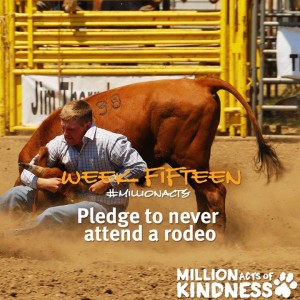
BC SPCA pledge on rodeosHere in British Columbia, the BC SPCA has taken a strong stand against cruel rodeo events.  Most recently, in week fifteen of its Million Acts of Kindness campaign, the society called on people to “pledge never to attend a rodeo.”

The Canadian Federation of Humane Societies is also against rodeos, stating that it is “opposed in principle to rodeo and is working towards the ultimate abolition of this activity.”


Humane Society International Canada has stated that: “Rodeos encourage an insensitivity to and acceptance of exploitation of animals under the guise of sport and entertainment.”


Internationally, the American SPCA’s position on rodeo states: “The ASPCA is opposed to all rodeo events that involve cruel, painful, stressful and potentially harmful treatment of animals, not only in performance but also in handling, transport and prodding to perform. The ASPCA recognizes the cruel treatment inflicted on many additional animals in the process of practicing to compete in rodeo events. Further, the ASPCA is opposed to children’s rodeo events such as goat tying, calf riding and sheep riding (“mutton busting”), which do not promote humane care and respect for animals.”

The Royal SPCA of Australia is “opposed to rodeos because of the potential for significant injury, suffering or distress to the animals involved.”

The Royal New Zealand SPCA “believes that the skills demonstrated and promoted in rodeos are irrelevant in a modern society, and that the stress on all animals involved is such that their welfare is put at risk. The SPCA is opposed to the use of spurs and rowels in rodeos, and is particularly opposed to events such as bronco riding, calf roping and steer wrestling, where injury to animals may occur. The SPCA believes that rodeos are detrimental in terms of fostering a caring attitude towards living creatures.”

The National SPCA of South Africa has stated: “Any event held at a rodeo has elements of animal abuse and cruelty.”

Please sign our petition calling on CBC Sports to stop broadcasting rodeo at the Calgary Stampede.

Please join our campaign to stop rodeo cruelty in Abbotsford, B.C.


.